


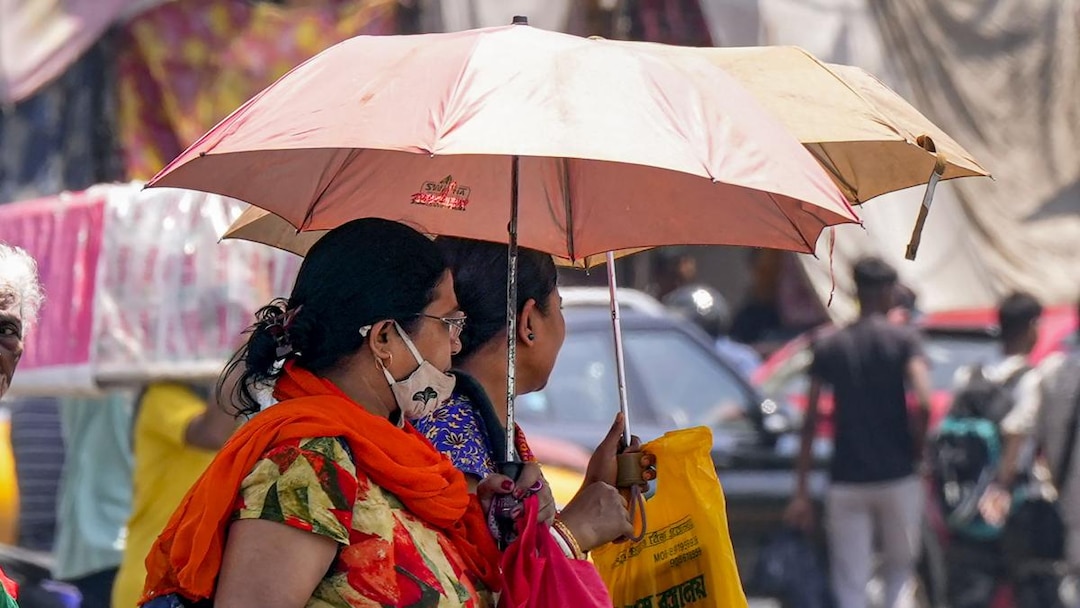
Kolkata is entering a sustained phase of high temperatures and rising humidity, with meteorological forecasts indicating little to no rainfall in the coming days.
The shift marks an early intensification of pre-summer conditions, raising concerns about urban heat stress, public health, and infrastructure resilience in one of India’s densest metropolitan regions.Weather officials suggest that the absence of cloud cover and precipitation is allowing daytime temperatures to climb steadily, while moisture in the air is amplifying discomfort levels. The resulting conditions—commonly described as a “feels like” temperature surge—can place additional strain on vulnerable populations, particularly outdoor workers and residents in high-density housing.The emerging Kolkata heatwave conditions highlight how cities are increasingly exposed to compound climate risks, where heat and humidity combine to intensify impacts. Unlike dry heat, humid conditions limit the body’s ability to cool itself, increasing the likelihood of heat-related illnesses even at relatively moderate temperature thresholds.From an urban systems perspective, prolonged heat without rainfall can disrupt multiple sectors simultaneously. Electricity demand typically rises as cooling needs increase, placing pressure on already stretched power infrastructure. Water consumption also spikes, raising concerns in neighbourhoods with limited or uneven supply networks.
In such scenarios, informal settlements and low-income households often face the highest risks due to limited access to cooling and water resources.Urban planners point out that Kolkata’s built environment—characterised by dense construction, limited green cover in some zones, and heat-absorbing materials—can exacerbate the urban heat island effect. Without adequate mitigation measures such as shaded public spaces, reflective surfaces, and urban forestry, heat retention in the city can extend well into the night, reducing recovery time for residents.The current weather pattern also underscores broader climate variability trends affecting Indian cities. Experts note that the increasing frequency of dry spells interspersed with extreme weather events is reshaping seasonal expectations, making urban planning more complex. Integrating climate-responsive design into housing, transport, and public infrastructure is becoming critical for long-term resilience.Public advisories are urging residents to stay hydrated, avoid peak afternoon exposure, and monitor health symptoms, especially for children and the elderly. However, beyond short-term precautions, the persistence of Kolkata heatwave conditions signals the need for systemic adaptation strategies—from heat action plans to climate-sensitive urban design.
As temperatures continue to rise without relief from rainfall, the coming days will test how effectively the city can manage thermal stress across its population and infrastructure. The situation reinforces the urgency of aligning urban growth with climate resilience, ensuring that expanding cities remain liveable even under increasingly extreme environmental conditions.
Also Read:Kolkata UG Course Certification Framework Gets Standardised
