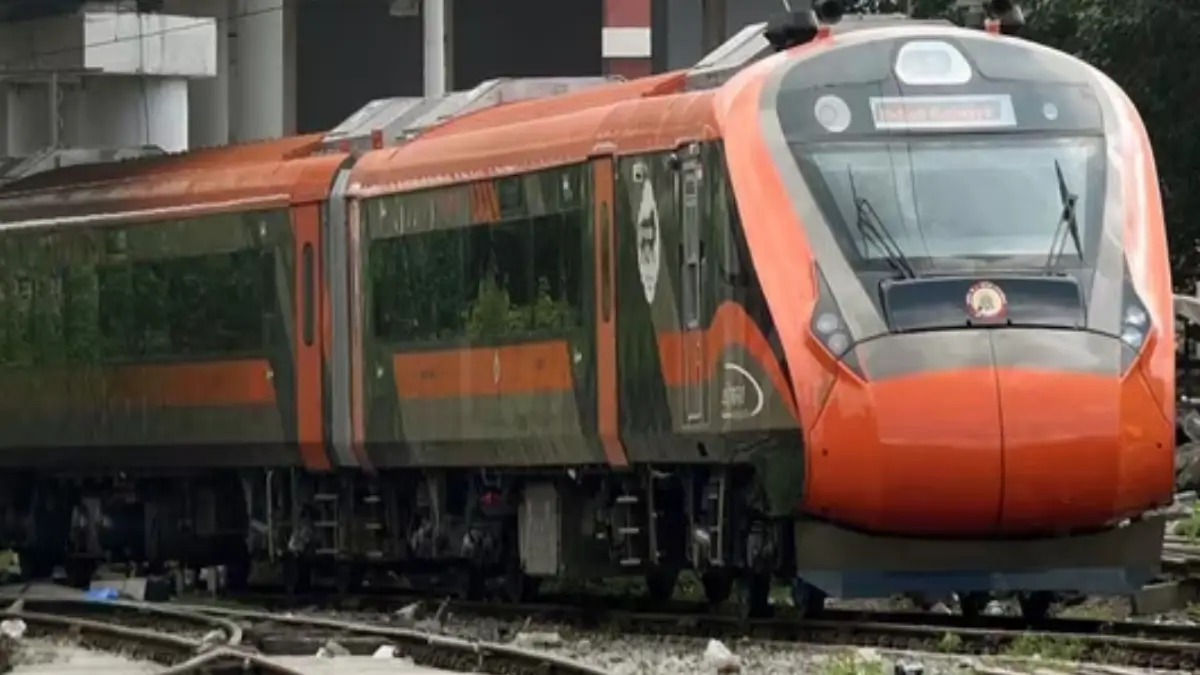
A new chapter in long-distance rail travel is set to open on the eastern corridor, with Indian Railways preparing to introduce its first sleeper-configured Vande Bharat service between Kolkata and Guwahati. The upcoming launch marks a strategic expansion of the semi-high-speed Vande Bharat platform beyond daytime intercity travel, signalling a shift in how overnight mobility across major urban regions is being reimagined.
Railway officials confirmed that final high-speed trials of the indigenously built sleeper trainset have been completed, clearing the path for operational rollout in the coming weeks. The Kolkata–Guwahati route, spanning over 1,000 kilometres and linking eastern India with the Northeast, has been identified as an ideal pilot corridor due to sustained passenger demand, long travel times and limited premium overnight options. Urban mobility analysts say the introduction of a sleeper Vande Bharat on this axis has implications beyond rail modernisation. Faster, more reliable overnight services can rebalance travel choices away from short-haul aviation, reducing carbon intensity while improving regional connectivity. For cities such as Guwahati, improved rail access strengthens economic integration with larger metropolitan markets, supporting trade, tourism and workforce mobility.
The new trainset is configured with 16 coaches designed specifically for long-haul journeys. Unlike existing Vande Bharat services focused on seated travel, this version incorporates sleeping berths across multiple classes, along with automated doors, upgraded sanitation systems and modern safety features. Railway planners describe the design as an attempt to merge the speed advantages of next-generation trains with the comfort expectations of overnight passengers. Fare levels are expected to be positioned above conventional express trains but below comparable air travel costs, reflecting a value-driven pricing strategy. Transport economists note that such differential pricing could attract middle-income travellers seeking time efficiency without the volatility of airline schedules, particularly during peak seasons and adverse weather conditions that often disrupt flights to the Northeast.
From an infrastructure perspective, the service also underscores the incremental gains achieved through track upgrades, signalling improvements and rolling stock innovation rather than entirely new rail corridors. While the train’s top speeds will depend on sectional constraints, even marginal reductions in end-to-end travel time can translate into productivity gains and better asset utilisation across the network. The move fits within a broader rail modernisation push that increasingly emphasises energy efficiency, passenger experience and domestic manufacturing capability. Industry observers point out that sleeper variants expand the commercial viability of the Vande Bharat platform, allowing Indian Railways to deploy it across diverse geographies and travel patterns.
Looking ahead, the performance of the Kolkata–Guwahati sleeper service is likely to influence future deployment decisions on other long-distance routes linking major cities with emerging regional hubs. If operational reliability, occupancy levels and passenger satisfaction meet expectations, sleeper-equipped semi-high-speed trains could become a mainstay of India’s overnight rail landscape offering a cleaner, more inclusive alternative to carbon-intensive travel while strengthening intercity ties across the country.
Kolkata Guwahati Sleeper Train Reshapes East Rail