


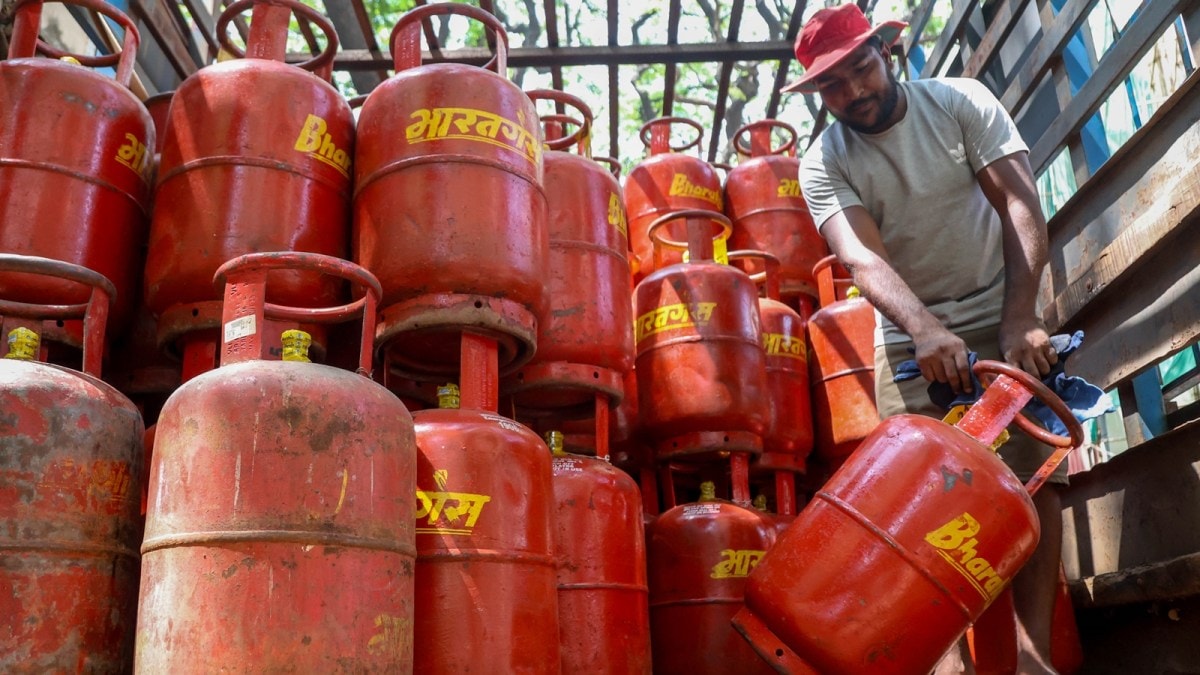
Concerns over fuel availability in Kolkata have triggered a fresh round of tensions between state and central authorities, with warnings that supply disruptions could force restrictive measures affecting daily life and economic activity in the city.
The situation has emerged amid apprehensions about potential shortages in petroleum products, raising questions about preparedness and coordination in managing essential urban resources. For a city heavily reliant on road-based transport and logistics, any disruption in fuel supply can have immediate consequences for mobility, public services, and market operations.Urban analysts say that the issue extends beyond short-term supply constraints and highlights structural vulnerabilities in how cities manage critical energy dependencies. Kolkata’s transport ecosystem—spanning buses, freight movement, and last-mile connectivity—remains deeply tied to fossil fuels. A sudden strain on supply chains can therefore cascade across sectors, affecting everything from food distribution to emergency services.The Kolkata fuel supply concerns also underline the fragility of urban economies when essential infrastructure systems face stress.Small businesses, daily wage workers, and informal sector participants are often the first to feel the impact, as mobility disruptions reduce access to workplaces and customers.In dense cities, even minor interruptions can escalate into broader economic slowdowns.Policy experts note that such scenarios reinforce the need for diversified and resilient urban energy systems.
Transitioning towards cleaner mobility options, including electric vehicles and public transport electrification, can reduce dependence on conventional fuel supply chains. However, this transition requires sustained investment in infrastructure, grid capacity, and regulatory support.At a governance level, the situation reflects the importance of coordination between multiple agencies responsible for supply management, distribution, and crisis response. Industry observers suggest that clearer communication and contingency planning are essential to prevent uncertainty from escalating into panic-driven disruptions.There are also implications for urban planning and infrastructure development. Cities that integrate energy resilience into their planning frameworks—through decentralised energy systems, efficient public transport, and mixed-use development—are better positioned to withstand such shocks. Kolkata’s experience may prompt a re-evaluation of how energy security is embedded within broader urban strategies.While immediate concerns revolve around ensuring uninterrupted supply, the episode serves as a reminder of the interconnected nature of urban systems. Fuel availability is not just a logistical issue but a determinant of economic continuity, environmental outcomes, and social stability.
In the coming weeks, the focus will likely remain on stabilising supply chains and restoring confidence among residents and businesses.Over the longer term, the challenge for Kolkata will be to translate this disruption into an opportunity—accelerating the shift towards more resilient, low-carbon urban systems that can better withstand future uncertainties.
Also Read:Kolkata Premium Housing Hotspots Drive Real Estate Growth
