


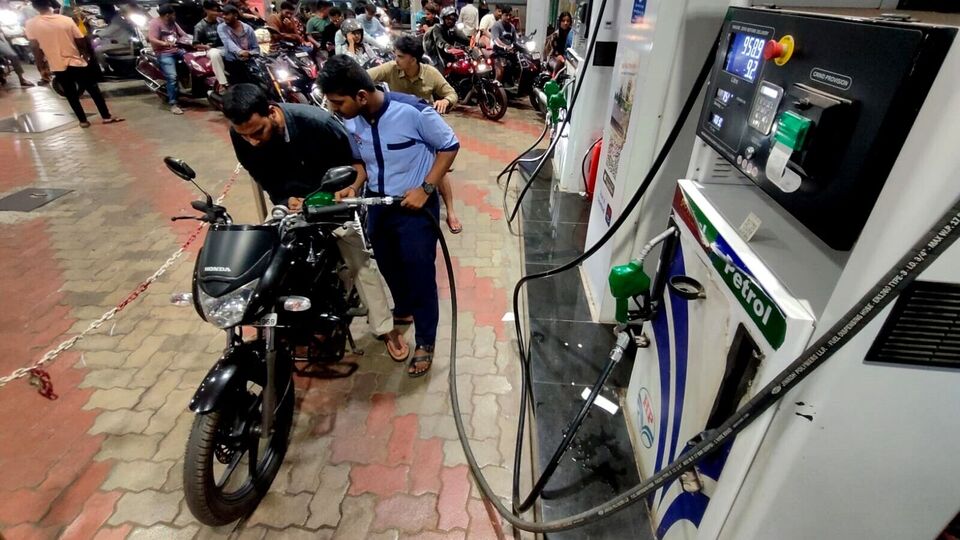
A reduction in central fuel taxes is set to ripple through India’s urban economies, lowering immediate transport costs while offering partial relief to construction and logistics sectors already grappling with global volatility.
The decision to cut duties on petrol and diesel comes at a time when cities are facing rising inflationary pressure linked to energy, mobility, and infrastructure delivery.The fuel excise cut is expected to bring down retail prices across major cities, easing daily commuting costs for households and reducing operational expenses for public transport providers. Urban economists note that fuel pricing has a cascading effect on city life—from bus fares and ride-hailing tariffs to last-mile delivery charges—making such interventions critical in stabilising short-term consumption patterns.For the built environment, the impact is more layered. Construction projects—particularly in rapidly expanding metros and tier-two cities—rely heavily on diesel-powered machinery and transport networks. A marginal reduction in fuel costs could slow the pace of cost escalation seen in recent months, especially as global supply chains remain uncertain. However, industry experts caution that while the excise reduction provides temporary breathing space, it does not fully offset rising input costs linked to imported materials and geopolitical disruptions.
Urban planners also point to broader implications for mobility transitions. Lower fuel prices, while beneficial in the near term, may delay behavioural shifts towards cleaner public transport systems or electric mobility. Cities working towards low-emission transport networks could find adoption curves flattening if conventional fuels become comparatively cheaper. This creates a policy balancing act between affordability and sustainability.At the same time, municipal finances may see indirect effects. Lower fuel costs can stimulate economic activity, potentially boosting local consumption and service demand. Increased movement of goods and people often translates into higher economic throughput, supporting small businesses and informal sector livelihoods that depend on urban mobility.However, long-term resilience remains tied to structural reforms rather than episodic price adjustments. Experts suggest that sustained investments in mass transit, non-motorised transport infrastructure, and decentralised urban planning will be essential to reduce cities’ dependence on fossil fuels altogether. Without these shifts, fuel price volatility will continue to influence urban affordability cycles.
For now, the excise cut offers immediate relief to households and businesses navigating cost pressures. But as cities expand and climate commitments tighten, the focus is likely to return to building transport systems that are both economically efficient and environmentally sustainable—reducing reliance on fuel price interventions as a primary tool for urban stability.
Also Read:Kolkata Global Science Project Drives Urban Innovation
