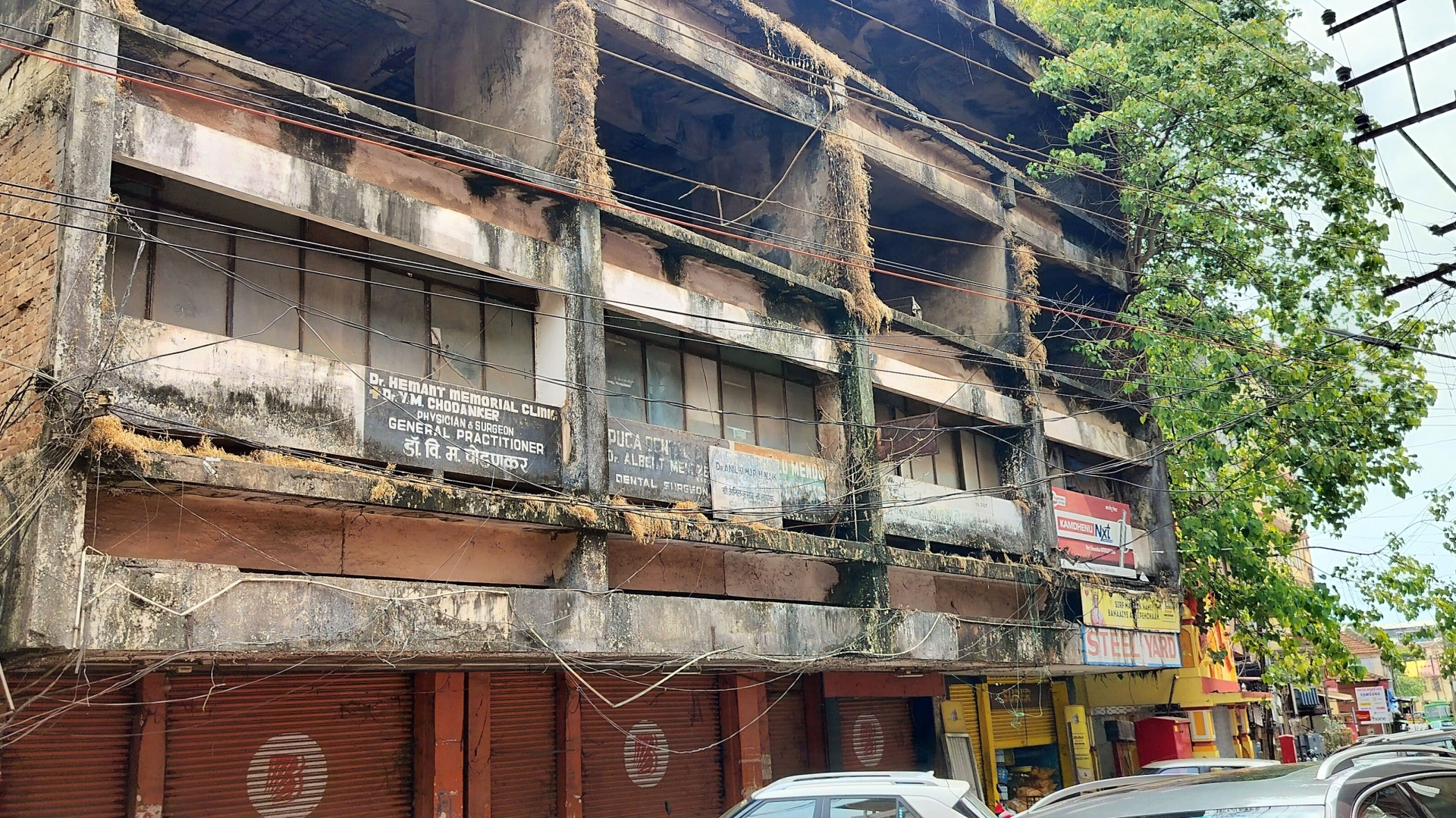
Kolkata Finds 300 Buildings at High Risk Out of 3,000 Unsafe Structures
Kolkata is confronting a critical urban safety issue as its civic body takes decisive action to address the city’s 3,000 insecure buildings, with a particular focus on the 300 most dilapidated structures deemed at high risk of collapse. This initiative follows a spate of tragic incidents during previous monsoon seasons, where heavy rainfall led to the collapse of several buildings, resulting in casualties. The proactive drive, which involves a mix of demolitions and mandatory repairs, is a necessary step to protect residents and the public from imminent danger. This long-overdue focus on structural integrity highlights the need for a comprehensive urban renewal strategy that prioritises the safety of citizens and the sustainability of the city’s aging infrastructure.
The city’s buildings department has identified these vulnerable structures primarily in the central and northern boroughs, areas known for their century-old architecture. Localities such as Cossipore, Burrabazar, Park Circus, and Ballygunge are at the forefront of this safety drive. The problem is exacerbated by the unique construction of these buildings, many of which were built with lime and mortar instead of modern cement. This traditional construction material, while durable under normal conditions, becomes a critical vulnerability during the monsoon. According to civic engineers, heavy rainfall causes water to seep into the structures, and the subsequent drying in sunny weather weakens the lime-based cementing agent, leading to structural failures and a high risk of sudden collapse. This makes the monsoon season a particularly perilous time for residents and passersby, underscoring the urgency of the civic body’s current actions.
The strategy involves empowering borough executive engineers to compel building owners to either undertake necessary repairs or consent to demolition. This dual approach acknowledges the need for both preservation where possible and uncompromising action when a building’s condition poses a clear and present danger. A survey of the city’s Grade-I hazardous buildings was initiated three years ago, following which the civic body has been tracking these high-risk properties. The current drive is a culmination of this monitoring, aimed at pre-empting the annual cycle of building collapses that the city has witnessed for years. The human cost of this neglect is a powerful motivator, with officials expressing hope that this year’s proactive measures will prevent further loss of life.
While the immediate focus is on a demolition and repair drive, the underlying issue points to a broader challenge for the city of Kolkata. The preservation of heritage and the need for modern, safe living conditions are often in conflict. A sustainable urban renewal plan must find a way to reconcile these two needs. This includes not just enforcing demolitions but also providing clear guidelines and incentives for the safe and eco-friendly renovation of historical properties. The current crisis is a stark reminder that a city’s growth and development must be built on a foundation of safety and resilience. The civic body’s current drive is an essential, if belated, step towards building a safer, more equitable, and ultimately more sustainable Kolkata for all its citizens.