


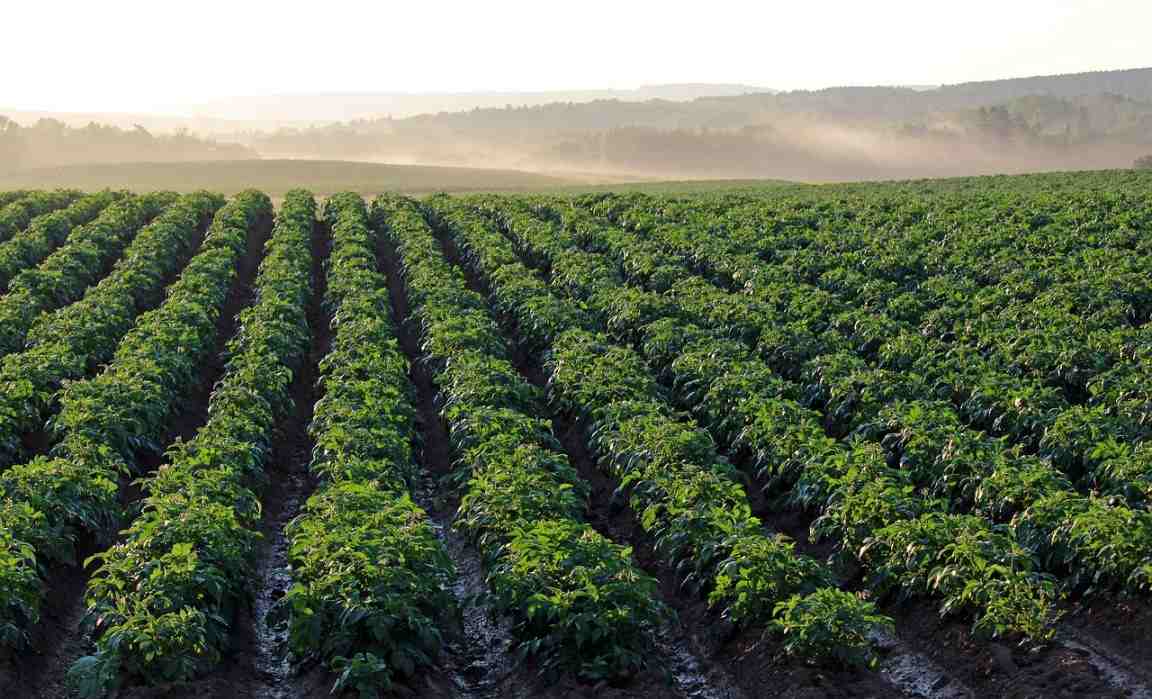
A one-bigha plot has emerged as a beacon of agricultural innovation. A local farmer has developed a fully organic farming model powered by livestock, natural fertilisers, and digital-age methods. With a turnover of ₹4 lakh and over 100 farmers trained under this initiative, the model offers a compelling alternative to conventional chemical farming.
Prior to 2022, the farmer relied on traditional chemical farming, using inputs like urea and DAP. The method yielded only limited returns, often no more than ₹40,000 annually—barely enough to sustain a rural household. That changed after a relative suggested transitioning to organic farming, highlighting the long-term ecological and economic risks of chemical inputs. Embracing the organic path, the farmer adopted advanced yet accessible techniques such as mulching, drip irrigation, pest-repellent traps, and green net shading. The one-bigha farm was redesigned as a sustainable micro-agricultural hub. The produce—mostly vegetables and fruits—is sold directly to local customers at a self-run market stall marked “Organic Vegetables,” increasing consumer trust and income.
Livestock integration has been the backbone of the operation. With four cows producing six litres of milk daily, the farmer generates about ₹4,200 a day—adding up to an impressive ₹15.12 lakh annually in gross earnings. The cows also supply critical inputs for the farm: dung and urine are used to produce vermicompost and herbal fertilisers, significantly reducing the farm’s reliance on market-bought inputs. The farmer has set up a vermicompost and organic spray unit on-site, preparing eco-friendly fertilisers using locally available resources like cow dung, neem leaves, tobacco, and kitchen waste. These are used to protect crops from pests while ensuring environmental and consumer health. The organic compost is also sold at ₹11 per kg, contributing ₹75,000 in supplementary income.
Importantly, the success of this organic model has not remained confined to one plot. Over 100 local farmers have received hands-on training in this sustainable approach. The farmer regularly hosts sessions to guide others in shifting to eco-friendly techniques, promoting rural self-reliance and awareness about soil health. Officials and agricultural experts view this initiative as a scalable model for climate-resilient and sustainable agriculture. While not a wholesale replacement for traditional large-scale farming, this compact and self-reliant model proves that organic farming can be profitable and impactful, even on small landholdings.
The story underscores that with innovation, access to training, and community engagement, organic farming is not just viable but necessary in India’s agricultural transformation journey toward a more sustainable and equitable future.
Also Read : Schneider Electric Drives Vertical Farming With Digital Tech Solutions
