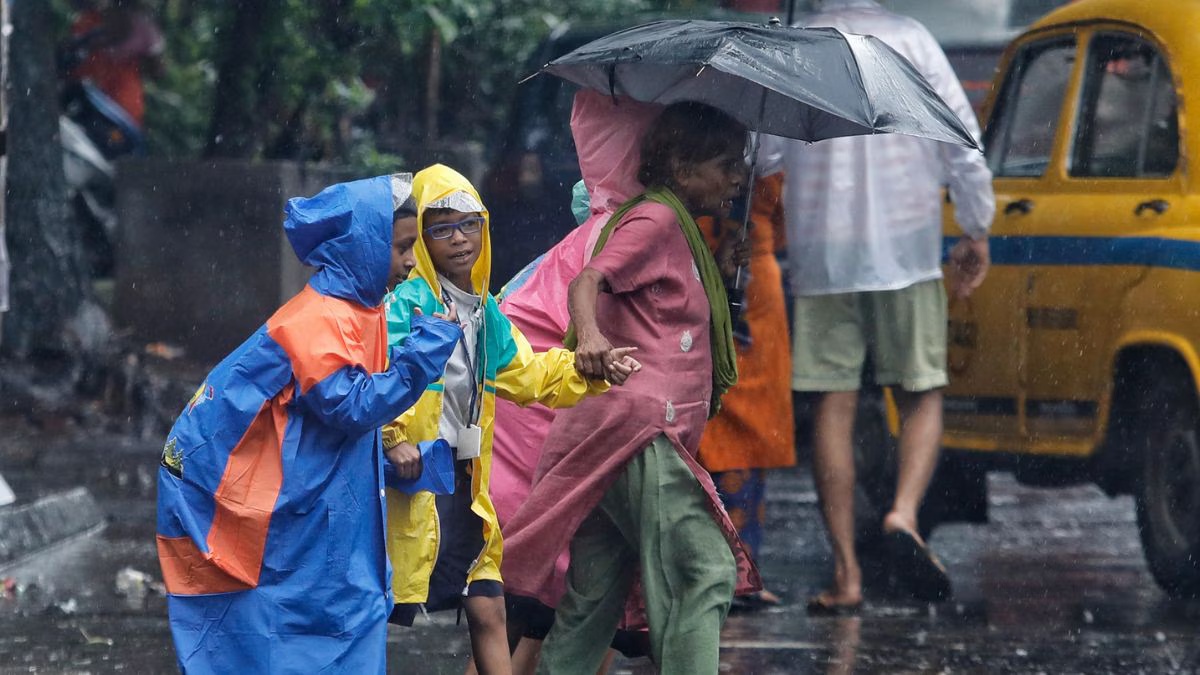
Kolkata is set to experience its initial spell of summer thunderstorms early next week, according to forecasts from the Alipore Meteorological Department. The city is likely to see intermittent rain and gusty winds, signalling a shift from the unusually dry winter months. Experts indicate that these weather changes have implications for urban mobility, infrastructure planning, and the broader climate resilience strategy of the region.
A senior meteorological official explained that the current upper-air cyclonic circulation over Odisha, extending up to 1.5 km above sea level, coupled with a trough stretching northwestwards across northern Chhattisgarh and northeast Madhya Pradesh, is influencing atmospheric instability over Kolkata. This pattern is expected to increase moisture inflow from the Bay of Bengal, creating favourable conditions for rain-bearing clouds and thunderstorms. The urban environment of Kolkata, characterised by dense populations and high vehicular congestion, faces heightened vulnerability during such weather events. Local authorities anticipate moderate gusts of wind reaching 30–40 kmph, which could affect traffic flow, public transport schedules, and city drainage systems. Early-morning showers on Sunday may provide minor relief, but the heaviest activity is forecast for Monday and Tuesday.
From an infrastructure perspective, the city’s stormwater and drainage networks will be tested, particularly in low-lying districts. Experts highlight that consistent urban planning and retrofitting of drainage channels are critical to prevent waterlogging and minimise disruptions during short-duration, high-intensity rainfall events. In north Bengal, similar weather systems are predicted to produce stronger showers, while southern districts such as Murshidabad, Birbhum, and Burdwan may also experience heavy rain and gusty conditions. Economically, intermittent rains and thunderstorms can influence daily commerce, real estate operations, and construction schedules. Urban planners note that early-warning mechanisms and weather-adaptive work schedules can reduce economic losses and ensure continuity in infrastructure projects. Furthermore, the recurrence of such events underlines the importance of climate-resilient city planning, including the integration of green infrastructure and heat mitigation measures to counter rising humidity and temperature levels.
Meteorologists point out that while the immediate rainfall may temporarily lower daytime temperatures, the underlying heat and humidity associated with the approaching summer will persist. This underscores the importance of long-term climate adaptation strategies, particularly in cities like Kolkata where seasonal weather extremes intersect with high population density and urban expansion. Urban administrators and businesses are advised to monitor forecasts closely, reinforce drainage preparedness, and adapt outdoor operations to ensure safety and minimise disruption. As Kolkata transitions into the hotter months, balancing rapid urban growth with climate-sensitive planning will be key to sustaining economic activity and enhancing city resilience.