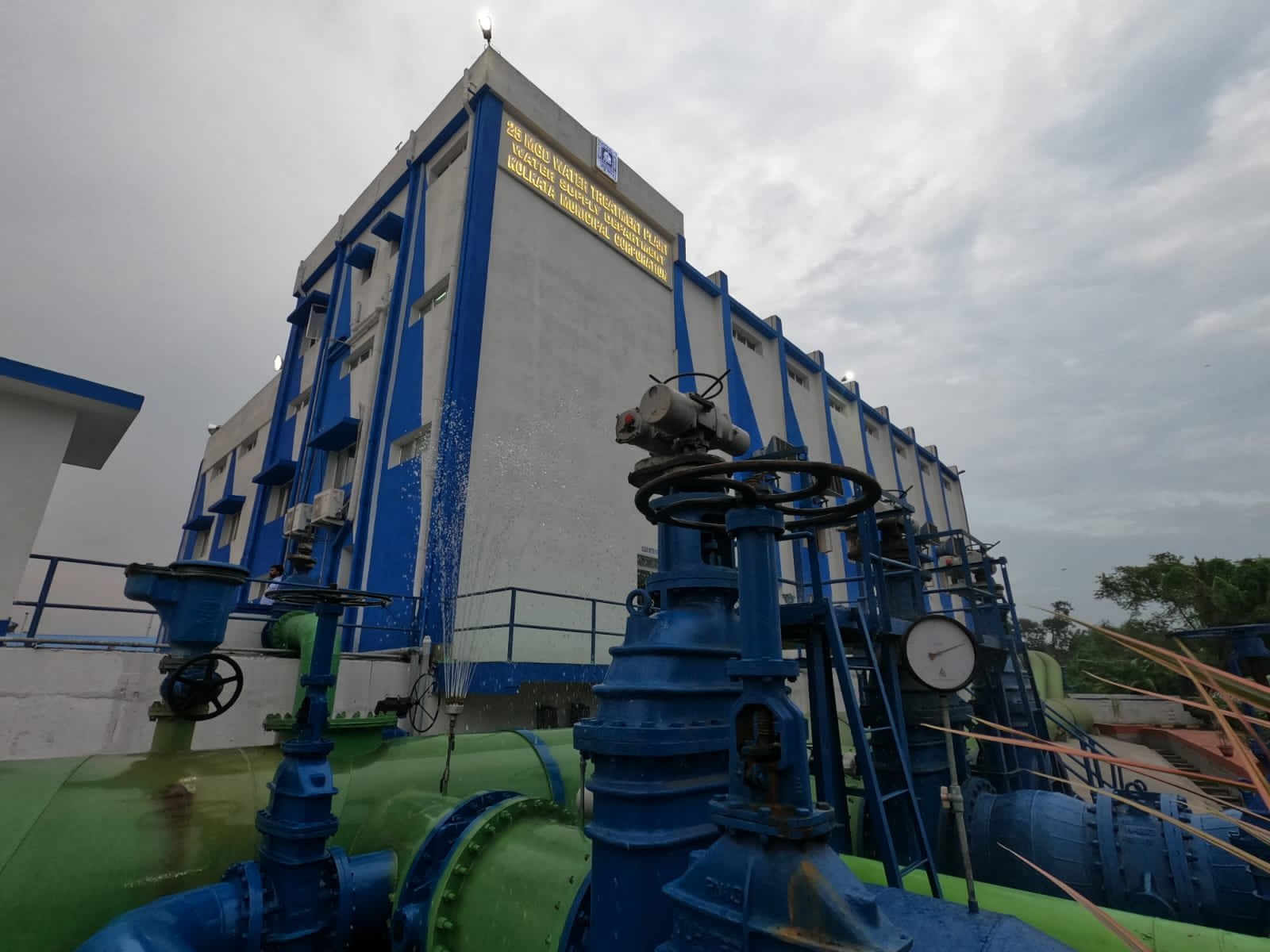
Kolkata has taken another step toward strengthening its urban water infrastructure with the launch of two new underground pumping facilities in the southern part of the city. The installations are expected to stabilise South Kolkata water supply for several neighbourhoods that have long depended on groundwater sources, while supporting the city’s broader push toward more reliable and sustainable municipal water systems.
The new facilities function as underground reservoirs combined with booster pumping stations designed to regulate pressure and distribute treated water across nearby residential zones. Urban planners say such decentralised infrastructure is increasingly vital in dense cities where ageing pipelines and rapid urban growth place pressure on traditional supply networks. Officials associated with the city’s water department indicated that the infrastructure will improve supply stability in residential pockets that have historically relied on borewells and private groundwater extraction. Over time, this shift is expected to reduce stress on underground aquifers an issue that has become a growing concern in many Indian cities facing rising water demand and climate variability.
The new installations are part of a wider municipal strategy to expand South Kolkata water supply coverage through a network of capsule booster pumping stations. More than 20 such facilities have already been constructed in recent years, helping extend treated surface water from the Hooghly river-based supply system into neighbourhoods that previously lacked consistent municipal pipelines. Urban development experts note that booster stations play a crucial role in older cities like Kolkata, where water distribution must navigate dense urban layouts, variable elevation and legacy infrastructure. By maintaining adequate pressure across extended pipelines, these stations help ensure households receive reliable supply without overloading central pumping plants. Further upgrades are already being planned to support the city’s southern expansion corridors, including areas near the EM Bypass and rapidly growing residential belts around Tollygunge and Jadavpur. Officials say improvements to a key treatment facility in the eastern part of the city are under preparation, with plans to expand its capacity significantly to serve emerging neighbourhoods.
The municipal authority is also developing an additional treatment plant in the southern suburbs to supply water to areas such as Garia, Patuli and nearby residential clusters. Once completed, the project is expected to channel treated water sourced from the Hooghly through an expanded distribution network aligned with existing drainage and canal corridors. Urban planners emphasise that such investments are essential as Kolkata continues to grow outward. Expanding piped water coverage reduces dependence on private borewells, lowers the risk of groundwater depletion and helps create more equitable access to safe drinking water across the metropolitan area. As climate pressures and population density reshape urban infrastructure demands, cities like Kolkata are increasingly focusing on distributed water systems that can support both resilience and inclusive service delivery.