


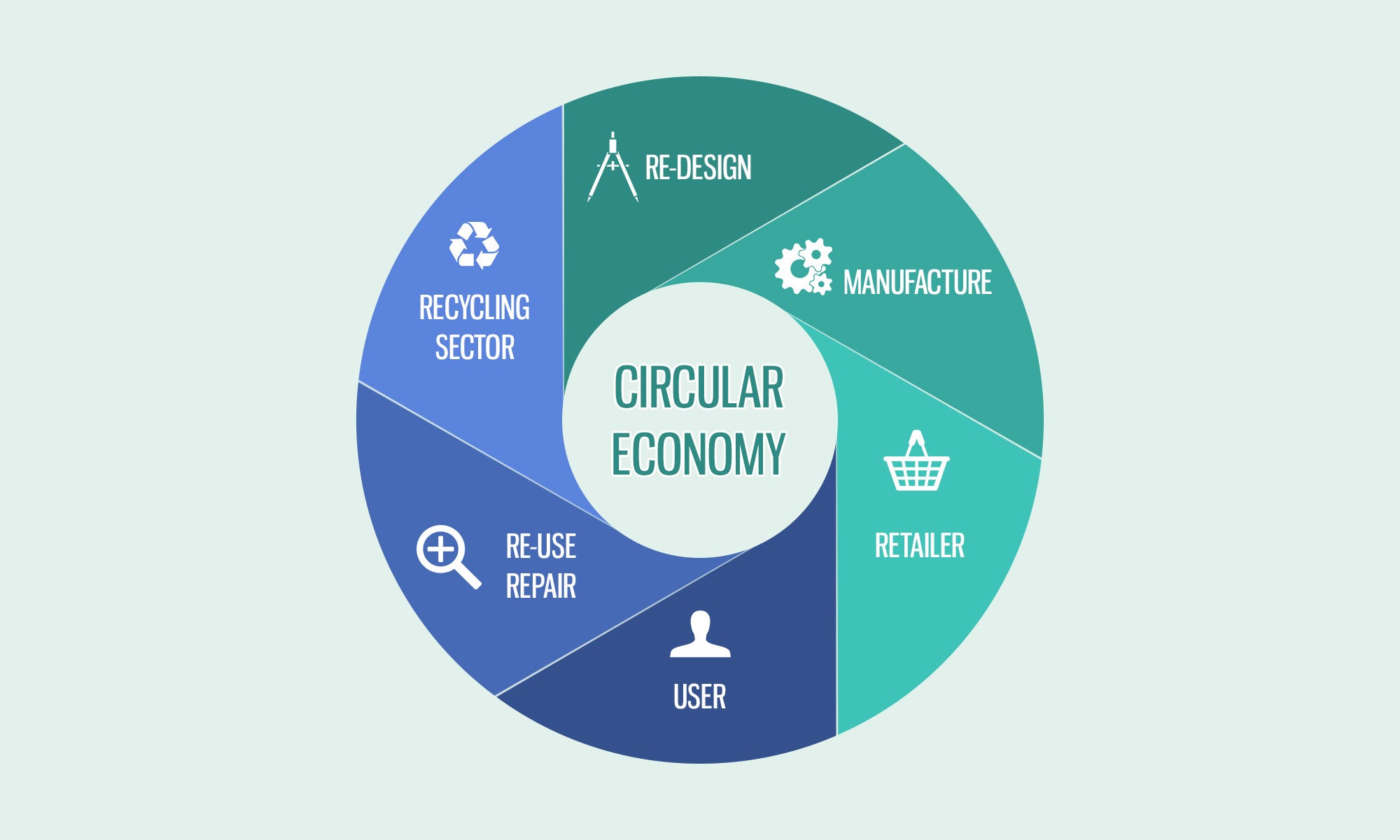
Kolkata is set to host a high-level circular economy engagement led by Finland, placing the eastern metropolis at the centre of an international sustainability dialogue ahead of a major global forum on resource efficiency. The event, planned in the city’s central business district, reflects growing recognition of Indian cities as testbeds for climate-resilient urban systems. For Kolkata, the development matters as it aligns global expertise with local challenges in waste, construction and urban services. The programme will bring together policy officials, urban practitioners, industry representatives and sustainability experts to explore circular economy models relevant to Indian cities. Rather than focusing on abstract climate commitments, discussions are expected to centre on practical applications — from recycling systems and material reuse to circular construction practices and clean urban infrastructure.
Urban economists note that circular economy frameworks are gaining traction because they link environmental goals with economic value creation. In dense cities like Kolkata, where land constraints and infrastructure stress are long-standing issues, extending the life cycle of materials can reduce costs, lower emissions and ease pressure on municipal services. Industry experts point out that this approach is particularly relevant for real estate, infrastructure projects and manufacturing clusters, all of which generate high material demand. Finland’s involvement reflects its global positioning in circular economy policy and technology. Senior officials associated with the programme indicate that the Kolkata engagement is intended to foster knowledge exchange and business collaboration, especially in areas such as waste-to-resource systems, water efficiency and low-carbon building materials. These sectors are increasingly attractive to investors as cities seek scalable climate solutions.
For Kolkata’s urban governance ecosystem, the timing is significant. The city is grappling with ageing infrastructure, flooding risks and rising construction activity. Urban planners argue that embedding circular principles at this stage — particularly in public works and housing projects — could shape more resilient growth pathways. For instance, reusing construction and demolition waste can reduce landfill pressure while supplying affordable building inputs. The event is also expected to draw participation from start-ups and small enterprises, highlighting opportunities for local innovation. Circular business models, such as decentralised recycling and material recovery, can generate employment while formalising informal sectors that already play a role in waste management. Analysts see this as a route towards more inclusive, people-first urban economies.
Importantly, the Kolkata dialogue serves as a preparatory platform ahead of a larger international forum on the circular economy scheduled later this year. Outcomes from the city-level discussions may feed into broader policy conversations, giving Indian urban perspectives greater visibility in global sustainability debates. Looking forward, the real impact will depend on follow-through. Experts stress that pilot projects, regulatory clarity and financing mechanisms will be crucial to translate dialogue into action. As cities like Kolkata confront climate and resource pressures, the circular economy is increasingly viewed not as a niche concept, but as core urban infrastructure thinking — one that links resilience, equity and long-term economic viability.
Also Read: Mumbai Commercial Market Attracts Large Financial Occupier
Kolkata Emerges As Circular Economy Collaboration Hub
