


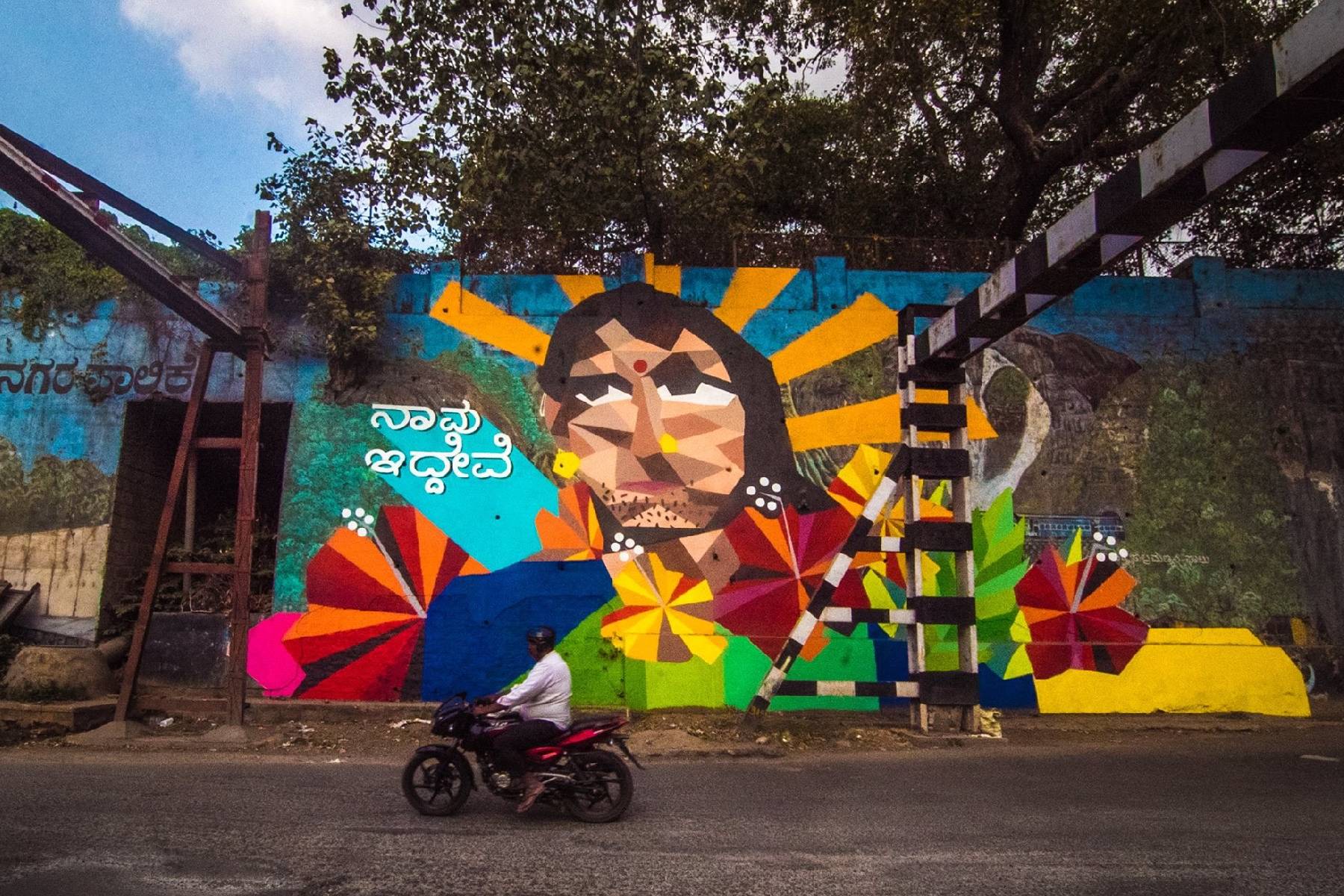
Public walls across Kolkata are being rapidly transformed into canvases of political messaging, as the city enters a high-intensity election cycle.
The surge in election graffiti reflects not only the visibility battle among political groups but also the enduring role of street-level communication in shaping voter perception in dense urban neighbourhoods.The spread of Kolkata election graffiti is most visible along arterial roads, residential lanes, and peri-urban stretches where high pedestrian and vehicular traffic ensures maximum reach. Unlike digital campaigning, wall-based messaging continues to hold relevance in areas where physical visibility and repetition drive recall, particularly among diverse socio-economic groups.Urban observers point out that this form of expression operates at the intersection of politics, public space, and informal urban economies. Local artists, sign painters, and contract workers are often engaged to produce large-scale murals and slogans, generating short-term employment opportunities. However, the practice also raises concerns around unregulated use of public and private property, often bypassing civic guidelines on wall usage and maintenance.Municipal officials indicate that managing this seasonal surge poses logistical challenges.Cleaning, repainting, and restoring defaced surfaces can strain already limited urban maintenance budgets. In some cases, heritage structures and recently upgraded infrastructure are affected, complicating conservation efforts and undermining investments in urban beautification.
From a planning perspective, the proliferation of Kolkata election graffiti highlights the need for clearer frameworks governing visual communication in cities. Experts suggest that designated wall spaces or regulated public art zones could balance political expression with urban aesthetics. Such models, already explored in other global cities, allow for controlled messaging while preserving civic order and reducing environmental impact from repeated repainting.There are also environmental considerations linked to the widespread use of paints and materials during election cycles. Frequent layering of chemical-based paints contributes to surface degradation and waste generation, raising questions about sustainable alternatives. Some civic groups have begun advocating for eco-friendly paints and removable materials that minimise long-term damage.At the same time, the visual intensity of election graffiti underscores the vibrancy of participatory democracy in urban India. For many residents, these walls become markers of political engagement, reflecting shifting narratives and alliances in real time. Yet, the challenge remains in ensuring that such expressions do not compromise urban liveability or exclude other forms of community use of public spaces.
As the election season progresses, the future of Kolkata election graffiti will likely depend on how effectively authorities, political stakeholders, and citizens negotiate the balance between democratic expression and responsible urban stewardship. The outcome could shape not just campaign practices, but also how cities manage shared visual spaces in the years ahead.
Also Read:Kolkata Corporate Shuttle Travel Reshapes Urban Commutes
