


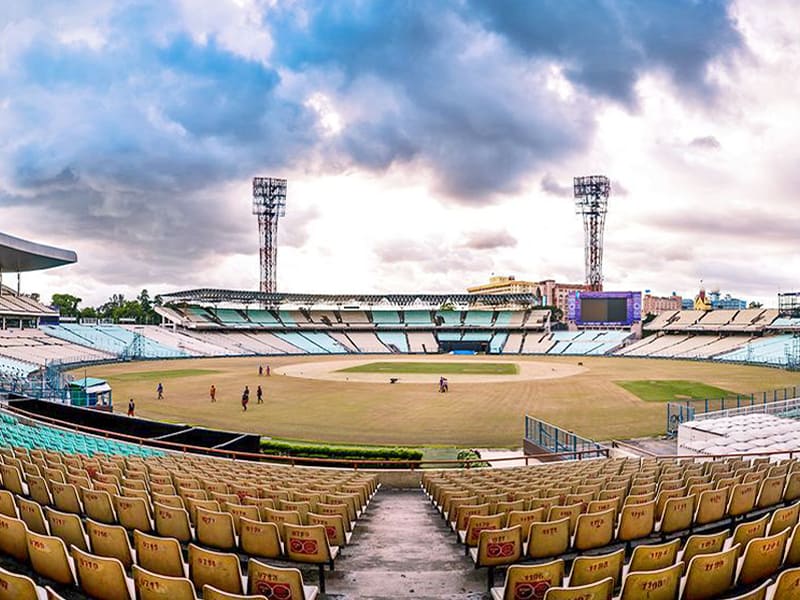
Kolkata’s iconic cricket stadium continues to play a defining role in shaping the city’s cultural identity and urban economy, serving as both a sporting venue and a major public gathering space.
Its enduring relevance highlights how legacy infrastructure can adapt to modern urban demands while sustaining economic and social value.As one of India’s most prominent sporting arenas, Eden Gardens remains central to Kolkata’s events ecosystem, hosting large-scale matches and public gatherings that attract significant footfall. The Kolkata Eden Gardens ecosystem extends beyond sport, influencing local businesses, tourism activity and transport patterns during major events.Urban economists note that such venues function as economic catalysts, generating revenue through ticketing, hospitality and ancillary services. Surrounding areas often experience a surge in commercial activity during events, benefiting small businesses, vendors and service providers.The Kolkata Eden Gardens influence is therefore deeply embedded in the city’s informal and formal economies.From an infrastructure perspective, managing high-density events requires coordinated planning across transport, security and public services. Authorities must ensure efficient crowd movement, traffic management and accessibility, particularly in a city with already complex mobility challenges. Investments in public transport connectivity and pedestrian infrastructure are critical to supporting such large-scale venues.
The stadium’s role also reflects broader trends in urban development, where multi-use public spaces are increasingly valued. While traditionally associated with cricket, the Kolkata Eden Gardens space has the potential to support diverse events, including cultural programmes and community activities, enhancing its utility within the urban fabric.Sustainability considerations are becoming more prominent in the management of large venues. Experts highlight the need for energy-efficient operations, waste management systems and water conservation measures to minimise environmental impact. As cities aim to reduce their carbon footprint, integrating sustainable practices into event infrastructure is essential.There are also implications for urban identity. Landmarks like Eden Gardens contribute to a city’s global image, shaping perceptions and attracting visitors. In Kolkata, the stadium represents a blend of heritage and contemporary relevance, reinforcing the city’s position as a major sporting and cultural hub.However, maintaining ageing infrastructure presents challenges. Regular upgrades and maintenance are required to meet modern safety and operational standards. Balancing preservation of heritage with the need for modernisation is a key consideration for city authorities and stakeholders.The Kolkata Eden Gardens narrative also underscores the importance of inclusive access to public spaces. Ensuring that facilities are accessible to diverse groups, including those from different socio-economic backgrounds, can enhance the social value of such infrastructure.
As Kolkata continues to evolve, leveraging existing assets like Eden Gardens can support both economic growth and cultural vibrancy. The integration of legacy infrastructure into contemporary urban planning offers a pathway to sustainable development, where history and modernity coexist to serve the needs of a dynamic city.
Also Read:Kolkata Uber Shuttle Exit Impacts Urban Mobility Network
