Kolkata Compact Home Design Reflects Urban Living Shift
A 1,350 sq ft residence in Kolkata is offering a glimpse into how compact urban homes are being reimagined to balance functionality, comfort, and design in densely populated cities. The project reflects a broader shift in residential planning, where limited space is being optimised to meet evolving lifestyle needs without compromising on aesthetics or usability.
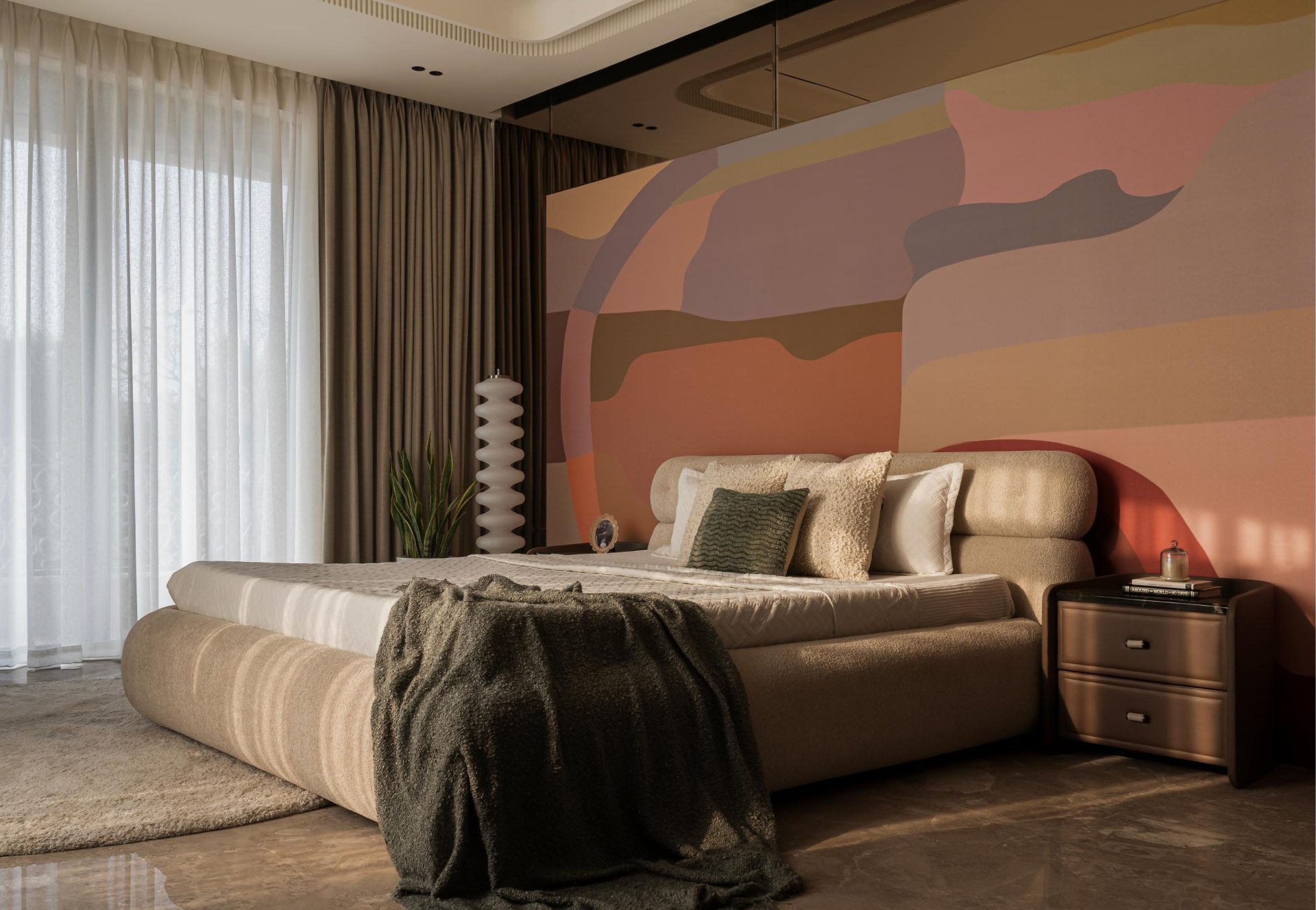
The Kolkata compact home design focuses on maximising spatial efficiency through thoughtful layouts, multifunctional zones, and strategic use of materials. In a city where rising population density and land constraints are reshaping housing patterns, such design approaches are becoming increasingly relevant. Urban planners note that compact living solutions are no longer a compromise but a necessity in cities with limited expansion capacity.The residence integrates open-plan concepts to create a sense of continuity between living, dining, and kitchen areas. By reducing physical barriers and enhancing natural light flow, the design makes the space appear larger and more adaptable. This approach aligns with contemporary urban housing trends, where flexibility and openness are prioritised over rigid compartmentalisation.Material selection also plays a critical role in the Kolkata compact home design. The use of light tones, reflective surfaces, and minimalistic finishes contributes to a visually expansive environment. At the same time, carefully chosen textures and colours add character, ensuring that the space remains warm and personalised rather than purely functional.
From an urban development perspective, such projects highlight the growing importance of efficient housing models. As cities like Kolkata continue to experience population growth, the demand for well-designed, mid-sized homes is rising. Compact residences that optimise space can help address housing shortages while maintaining quality of life for residents.The design also incorporates elements that support modern living patterns, including work-from-home spaces and adaptable furniture solutions. With hybrid work becoming more common, residential layouts are evolving to accommodate professional and personal needs within the same footprint. This shift is influencing how developers and architects approach residential design in urban settings.Sustainability considerations are subtly embedded within the project. Efficient use of natural light and ventilation reduces dependence on artificial lighting and cooling, contributing to lower energy consumption. Such features, while often understated, play a role in advancing more climate-responsive housing in urban environments.The Kolkata compact home design also reflects changing consumer preferences. Homebuyers are increasingly seeking spaces that are not only affordable but also intelligently designed to maximise usability. This trend is prompting developers to focus on design innovation as a key differentiator in competitive real estate markets.
Industry experts suggest that compact housing solutions could play a significant role in shaping the future of urban living in India. By prioritising efficiency, adaptability, and sustainability, such designs offer a pathway to more inclusive and resilient housing models.As cities continue to expand vertically and land availability remains constrained, projects like this underscore the need for smarter residential planning. The evolution of compact home design is likely to remain central to how India addresses its urban housing challenges while enhancing liveability in increasingly dense environments.