


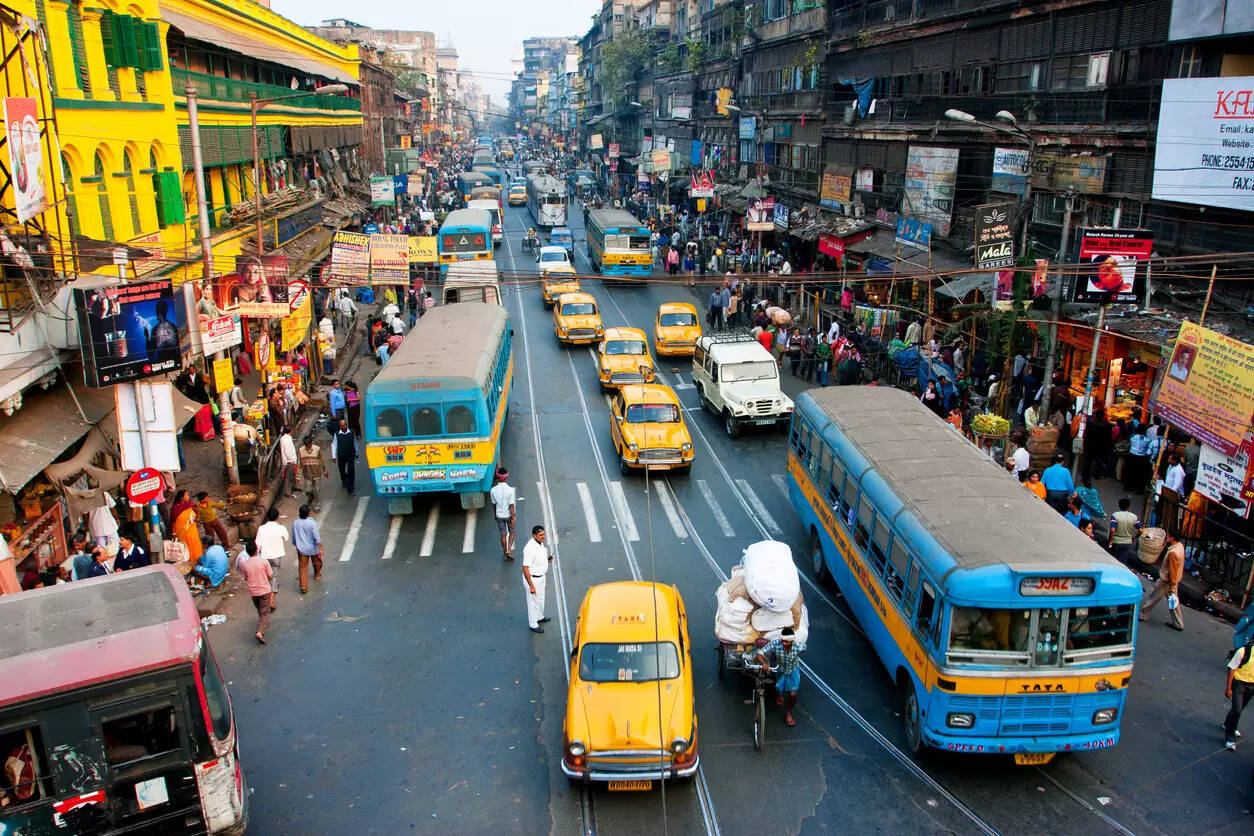
Concerns over inconsistent public transport availability in Kolkata have prompted calls for maintaining a minimum number of buses on each route, drawing attention to the challenges of ensuring reliable urban mobility in a densely populated city.
Transport worker groups have urged authorities to ensure that at least a baseline level of bus services is sustained across all routes to prevent disruptions in daily commuting. The demand reflects growing pressure on the city’s public transport network, particularly during peak hours and operational constraints. The issue is central to the evolving Kolkata bus service demand, which underscores the need for dependable and equitable transit systems.Buses remain a backbone of Kolkata’s mobility ecosystem, providing affordable connectivity across diverse neighbourhoods. However, fluctuations in service frequency—often due to staffing shortages, maintenance issues, or operational inefficiencies—can lead to overcrowding and longer waiting times, disproportionately affecting daily commuters.Urban mobility experts note that the Kolkata bus service demand is not just about numbers but about predictability.Reliable service levels are critical for encouraging public transport usage, especially as cities attempt to reduce dependence on private vehicles. Without consistency, commuters may shift to alternative modes, increasing congestion and emissions.The economic implications are significant.
For large sections of the workforce, particularly those in informal and lower-income sectors, buses are the most affordable means of transport. Irregular services can lead to lost work hours, reduced productivity, and additional financial strain as commuters seek costlier alternatives.From a planning perspective, maintaining minimum service thresholds is considered a standard practice in many global cities. Such benchmarks ensure that even during disruptions, essential connectivity is preserved. Implementing similar frameworks in Kolkata could improve resilience and service reliability.The issue also ties into broader discussions on transport funding and fleet modernisation.Experts suggest that investment in newer buses, improved maintenance systems, and workforce management could help stabilise operations. Integrating technology—such as real-time tracking and scheduling systems—can further enhance efficiency and transparency.Environmental considerations add another layer to the debate. Strengthening bus networks supports low-carbon mobility by encouraging mass transit usage. Ensuring adequate service levels aligns with sustainability goals, reducing reliance on high-emission transport modes.The Kolkata bus service demand also highlights the importance of coordination between transport authorities, operators, and worker unions. Balancing operational feasibility with commuter needs requires collaborative planning and clear policy direction.
As Kolkata continues to expand, ensuring consistent and accessible bus services will be essential for maintaining mobility equity and supporting economic activity. Establishing enforceable service standards could be a key step towards building a more reliable and sustainable urban transport system.
Also Read:Kolkata Flight Disruptions Hit Airport Operations
