


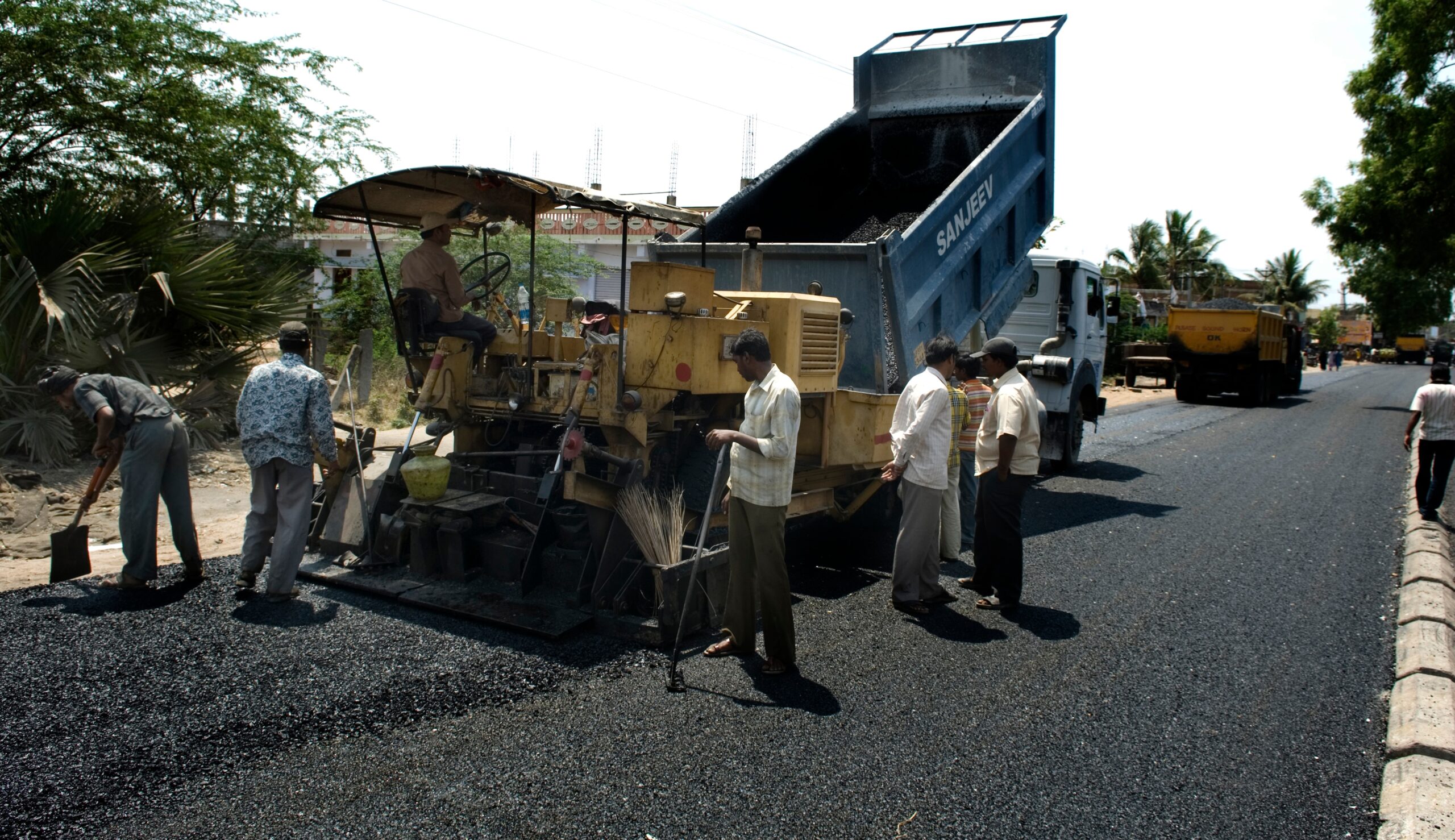
A shortage of bitumen, a critical material used in road construction and maintenance, has slowed repair works across Kolkata, raising concerns about infrastructure readiness and urban mobility in the city.
Civic agencies are facing delays in routine maintenance and resurfacing projects due to limited availability of the material, which is essential for asphalt road construction. The disruption has brought focus to the Kolkata bitumen crisis, highlighting how supply chain constraints can directly impact the quality and safety of urban infrastructure.Officials overseeing road works indicate that procurement challenges and supply disruptions have affected planned schedules, particularly ahead of the monsoon season—a critical window for pre-emptive repairs.Without timely intervention, damaged roads risk deteriorating further under heavy rainfall, increasing the likelihood of potholes, waterlogging, and traffic congestion.Urban infrastructure experts note that the Kolkata bitumen crisis exposes vulnerabilities in sourcing essential construction materials.Cities heavily dependent on centralised supply chains often face bottlenecks during periods of high demand or logistical disruptions. This can delay not only maintenance works but also new infrastructure projects.The implications extend beyond immediate inconvenience.Poor road conditions can affect commute times, vehicle maintenance costs, and logistics efficiency, with cascading effects on local businesses and economic activity.
For a city like Kolkata, where road networks support dense traffic flows, even short-term delays in maintenance can have disproportionate impacts.There are also safety concerns.Degraded road surfaces increase the risk of accidents, particularly for two-wheeler riders and pedestrians. Inconsistent repair cycles can further complicate navigation and strain traffic management systems.From a planning perspective, the crisis underscores the need for diversified procurement strategies and better inventory management. Experts suggest that maintaining buffer stocks, exploring alternative materials, and adopting advanced road construction technologies could reduce dependency on a single resource and improve resilience.Environmental considerations are also part of the discussion. Traditional bitumen-based roads have a high carbon footprint, prompting interest in more sustainable alternatives such as recycled asphalt and plastic-mixed roads. While these solutions are still evolving, they could play a role in reducing material dependency and enhancing durability.The Kolkata bitumen crisis also highlights the importance of synchronising infrastructure planning with supply chain realities. As cities expand and maintenance demands grow, ensuring consistent access to key materials becomes as critical as funding and execution capacity.
With the monsoon approaching, authorities are under pressure to resolve supply issues and accelerate pending works. The coming weeks will be crucial in determining whether Kolkata can maintain road quality and mobility standards during one of the most challenging periods for urban infrastructure.
Also Read:Kolkata Auto Fare Issue Raises Commuter Concerns
