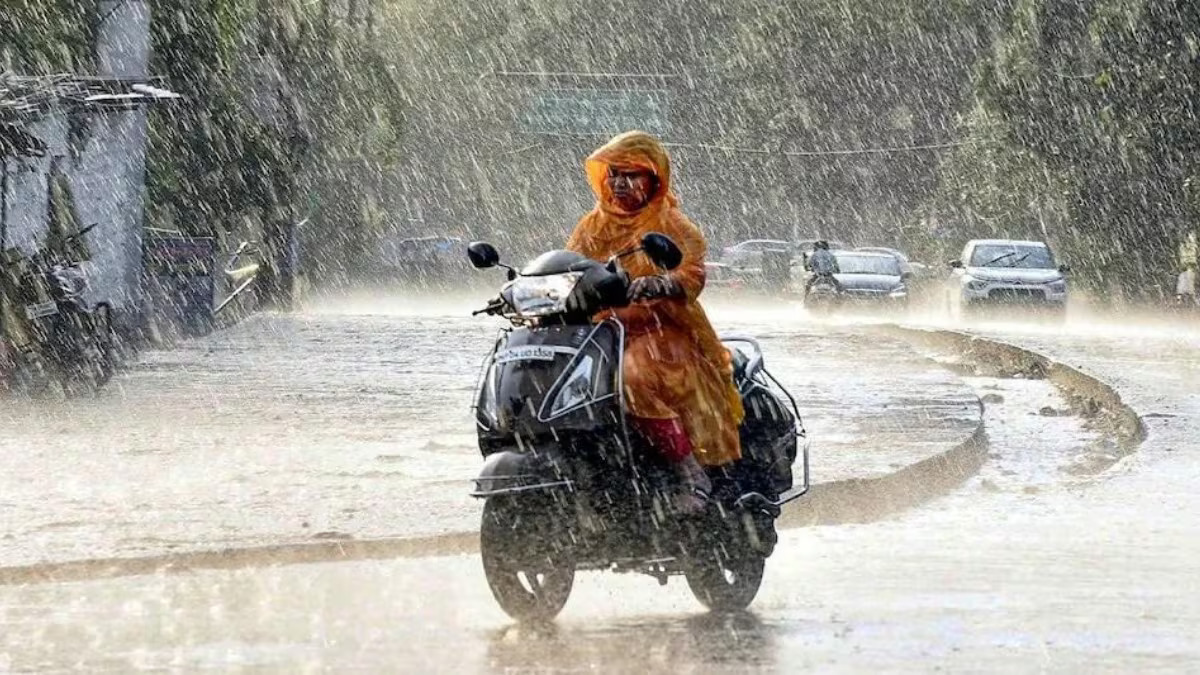
The city of Kolkata is finally seeing a concerted effort to address its perennial monsoon-induced road crisis. Following two weeks of relentless rain that left key thoroughfares riddled with potholes and craters, the city’s civic body and police have launched a coordinated strategy to provide immediate relief to beleaguered commuters. The focus is on rapid repairs of battered stretches and the implementation of traffic diversions to ease congestion. This joint action comes after widespread public frustration over excruciating traffic snarls, particularly on the Eastern Metropolitan Bypass and other critical links connecting the central business district to the suburban tech hubs of Salt Lake and New Town. The initiative highlights the urgent need for a long-term, sustainable solution to the city’s vulnerable road infrastructure.
The Kolkata civic body’s roads department has moved swiftly, capitalising on a brief dry spell to begin night-time repair work on major arteries like the EM Bypass and Diamond Harbour Road. The strategy involves not just quick-fix asphalt patching but also the use of more durable interlocking concrete blocks in areas prone to waterlogging. This shift towards a more resilient material in critical zones like Strand Road and Diamond Harbour Road is a promising step towards building a sustainable and all-weather urban transport network. The civic body is hopeful that a period of uninterrupted dry weather will allow it to complete a significant portion of these repairs, aiming to restore smoother traffic flow and reduce the risk of accidents caused by the cratered roads. This approach, while reactive, demonstrates an understanding that traditional road repair methods are insufficient to withstand the city’s intense monsoon seasons, which are becoming more severe due to climate change.
Concurrently, the Kolkata and Bidhannagar police forces are focusing on a comprehensive traffic management plan to alleviate the gridlock. The congestion at key bottlenecks like Chingrighata crossing, which serves thousands of daily commuters to the IT and financial sectors, is being targeted with new diversion routes. A suggested alternative, bypassing the worst-affected sections via Science City-Basanti Highway, promises to drastically cut down travel time for those commuting to New Town. While this requires a change in commuter behaviour and logistics, the police are actively engaging with corporate sectors and app-based transport services to encourage the use of these new alignments. This proactive engagement is a critical component of a gender-neutral and equitable approach to urban mobility, ensuring that all commuters, including women and those with inflexible work schedules, can navigate the city more efficiently and safely.
The current situation in Kolkata underscores a larger narrative about the resilience of urban infrastructure in the face of climate volatility. The reliance on temporary patches and short-term fixes during the monsoon season is an unsustainable model. The concerted effort by the civic body and police to not only repair roads but also explore alternative routes and materials marks a significant move towards a more strategic, long-term approach. The ongoing dialogue with transport providers and corporate entities points to a collaborative governance model that is essential for building a truly smart and sustainable city. While the current focus is on immediate relief, these actions lay the groundwork for a future where Kolkata’s roads are not just repaired, but are fundamentally engineered to withstand the pressures of a changing climate, ensuring seamless and safe connectivity for all.