Nagpur Auto Permit Ban Sparks Debate On Mobility Balance
Kolkata is witnessing a sharp rise in demand for auto liquefied petroleum gas as drivers increasingly turn to the fuel despite higher retail prices.
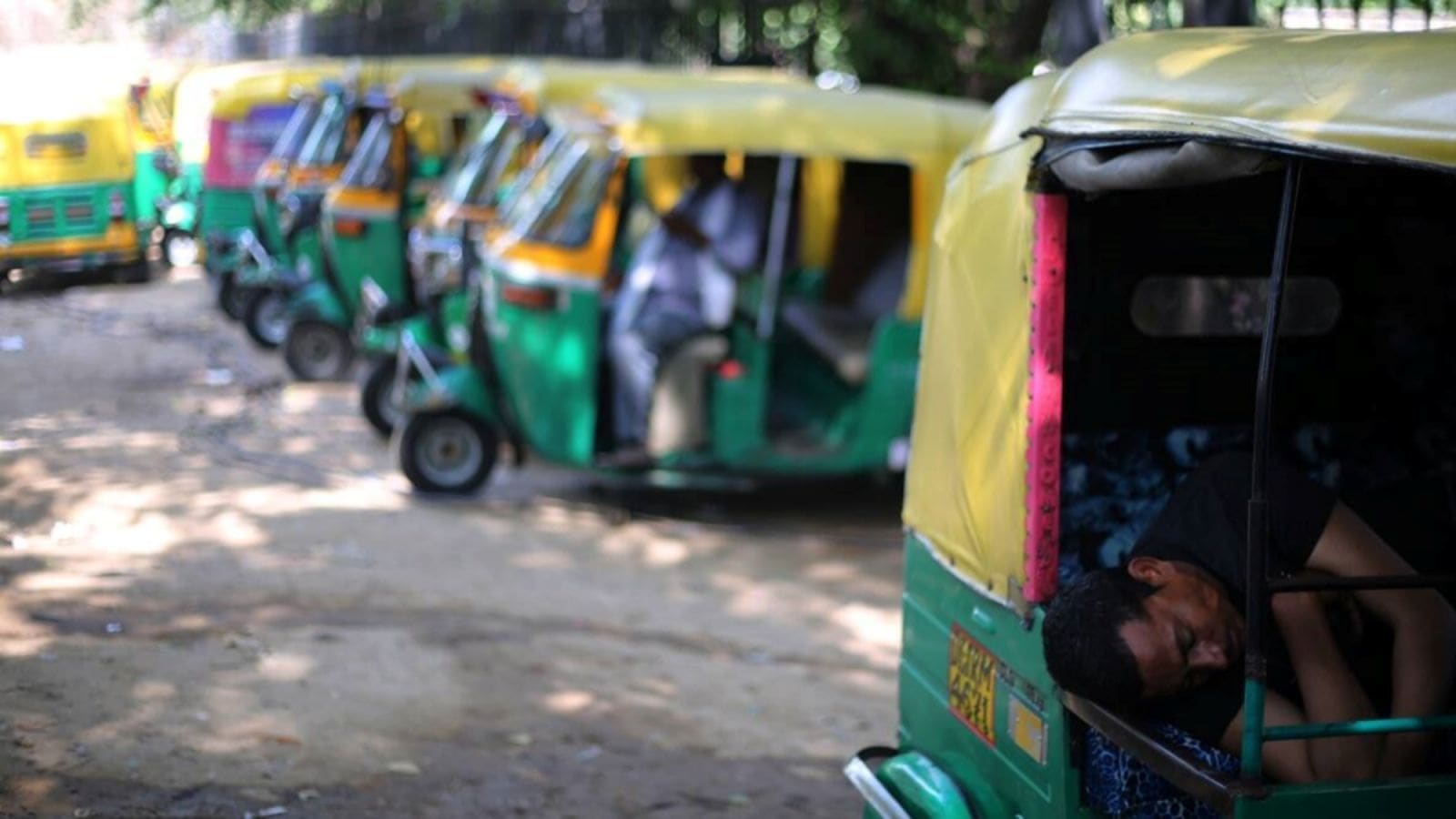
The surge in Kolkata auto LPG demand reflects a growing shift in the city’s urban transport economy, where operators of small passenger vehicles are searching for relatively stable and cost-efficient alternatives to conventional fuels.Industry observers say the demand for auto LPG in the eastern metropolis has expanded significantly over recent months, driven largely by auto-rickshaw operators and small commercial vehicle drivers seeking to manage fluctuating operating costs. Even with periodic price adjustments, many drivers consider LPG a comparatively economical option for daily city operations.Fuel distribution agencies in the region report that the Kolkata auto LPG demand has increased substantially compared with previous years. Several refuelling stations have recorded higher daily dispensing volumes, indicating that more drivers are converting vehicles or switching from other fuels such as petrol.Transport economists note that Kolkata has long maintained a sizeable fleet of LPG-powered auto-rickshaws due to regulatory requirements encouraging cleaner fuel adoption. Over time, this transition has supported a gradual shift away from more polluting energy sources used in older three-wheeler vehicles.The latest spike in the Kolkata auto LPG demand is also linked to rising operational costs in the urban mobility sector.
Drivers often evaluate fuel choices based on mileage efficiency, maintenance costs and price stability.LPG-powered vehicles generally deliver lower per-kilometre running costs compared with petrol vehicles, making them attractive to drivers operating on thin profit margins.Urban sustainability experts say such trends illustrate how fuel economics can influence environmental outcomes in cities. While LPG remains a fossil fuel, it burns more cleanly than several conventional transport fuels, producing fewer particulate emissions. For densely populated cities like Kolkata, incremental improvements in vehicle emissions can contribute to better urban air quality.However, the rise in LPG consumption also highlights broader challenges in balancing economic affordability with long-term climate goals. As Indian cities move toward low-carbon mobility systems, policymakers increasingly face pressure to accelerate the adoption of electric vehicles and other zero-emission transport technologies.At present, many drivers continue to rely on LPG because the transition to electric mobility requires higher upfront investments and expanded charging infrastructure. Industry analysts believe LPG may remain an important transitional fuel in cities where large fleets of auto-rickshaws and small commercial vehicles dominate short-distance travel.Officials monitoring the sector suggest that the growth in Kolkata auto LPG demand could prompt additional investment in distribution infrastructure, including more refuelling stations and supply logistics to meet the rising consumption.
Urban planners say the situation offers a broader lesson for city governance: transport policies must carefully integrate economic realities faced by drivers with the long-term objective of building cleaner, more resilient mobility systems. Expanding access to affordable clean fuels while preparing the ground for electrification will likely remain a key priority for metropolitan transport strategies in the coming years.