


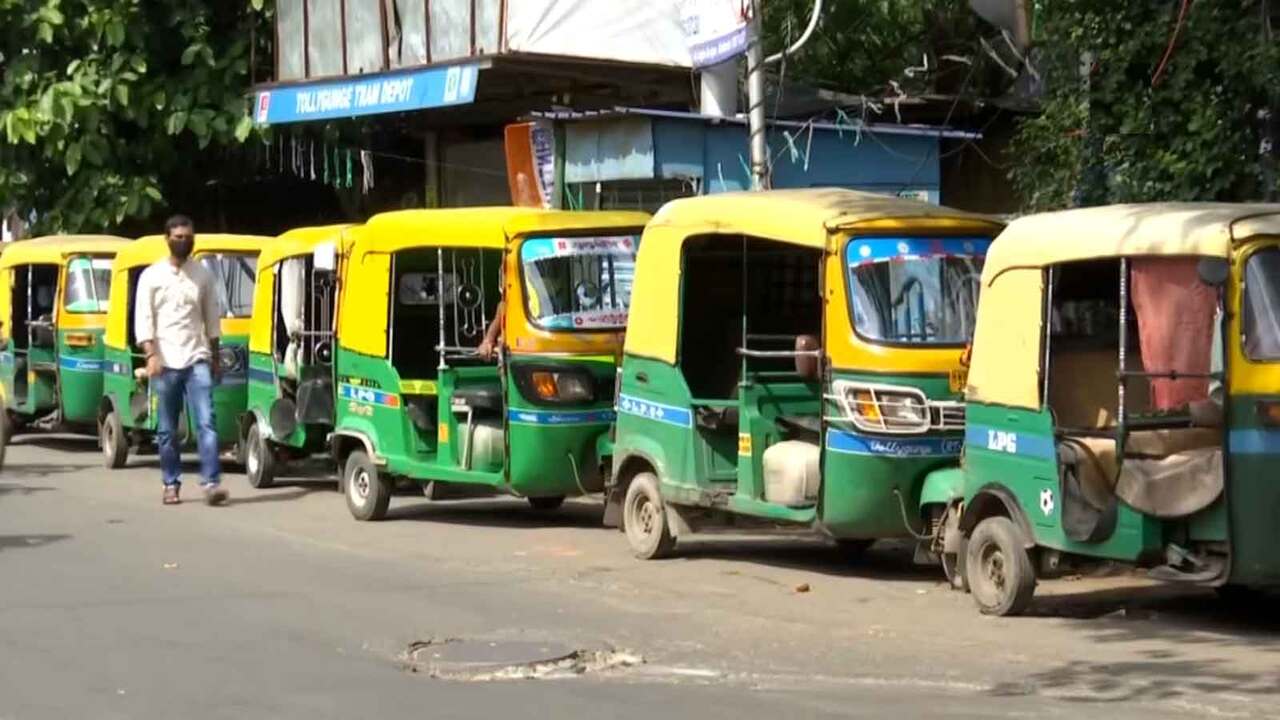
Authorities in Kolkata have stepped in to address rising commuter concerns over fluctuating auto-rickshaw fares, urging operators to avoid overcharging and adhere to approved pricing structures amid growing pressure on urban transport systems.
The intervention follows complaints from passengers across key routes, where inconsistent fare demands have added to the daily cost burden of commuting. The issue has brought the spotlight on the Kolkata auto fare issue, highlighting the challenges of regulating informal yet essential modes of urban transport.Auto-rickshaws form a critical component of Kolkata’s mobility network, particularly for first- and last-mile connectivity.In areas underserved by formal public transport, they often act as a lifeline for commuters.However, the absence of uniform fare enforcement and reliance on negotiated pricing have led to frequent disputes between passengers and drivers.Law enforcement officials have reportedly engaged with auto operators to encourage compliance, emphasising the need to maintain affordability and public trust. While such measures may provide immediate relief, urban mobility experts argue that the Kolkata auto fare issue reflects deeper structural gaps in transport governance.One of the core challenges lies in balancing operator viability with commuter affordability.Rising fuel costs, vehicle maintenance expenses, and inflationary pressures have impacted driver incomes, leading many to seek higher fares. Without periodic fare revisions or transparent pricing mechanisms, informal adjustments tend to emerge, often at the expense of commuters.
From a planning perspective, the situation underscores the need for integrated mobility frameworks that formally recognise and regulate intermediate public transport modes.Experts suggest that digitised fare systems, route rationalisation, and licensing reforms could bring greater transparency and accountability to the sector.The economic implications are significant. For daily commuters, particularly lower- and middle-income groups, even marginal fare increases can cumulatively strain household budgets. Inconsistent pricing also affects predictability, making it harder for workers to plan travel expenses in a city where commuting is an essential part of daily life.There are also broader urban development considerations. Reliable and affordable last-mile connectivity is crucial for the effectiveness of mass transit systems. If auto fares become unpredictable or unaffordable, it can discourage the use of buses and metro services, leading to increased reliance on private vehicles and added congestion.Experts also point to the potential role of technology in addressing the issue. Mobile-based fare calculators, GPS-enabled tracking, and digital payment systems could help standardise pricing while improving service efficiency. However, implementation would require coordination between transport authorities, operators, and commuter groups.
As Kolkata continues to expand and mobility demands grow, the Kolkata auto fare issue serves as a reminder that informal transport systems must evolve alongside formal infrastructure. Ensuring fairness, transparency, and sustainability in pricing will be key to maintaining an inclusive and efficient urban transport network.
Also Read:Kolkata Lake Dispute Raises Urban Governance Concerns
