


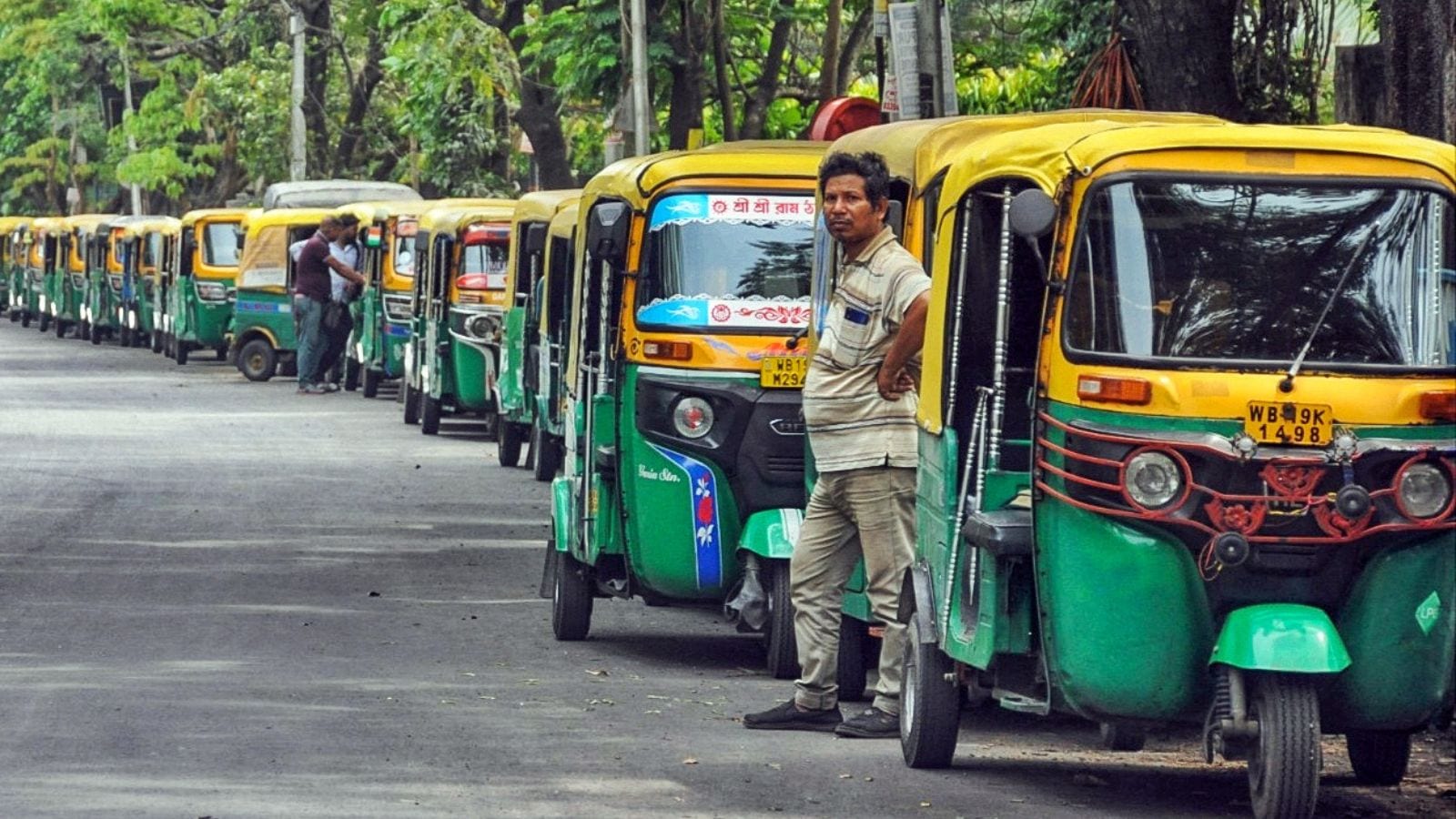
A growing shortage of shared autos across key routes in Kolkata is disrupting last-mile connectivity, exposing deeper structural gaps in the city’s urban transport network.
The issue, affecting thousands of daily commuters, has begun to strain mobility patterns in one of India’s most densely populated metropolitan regions, with implications for economic productivity and equitable access to transit.The current auto crisis in Kolkata is being felt most acutely in neighbourhoods dependent on informal and semi-regulated para-transit systems. Autos serve as a critical bridge between mass transit hubs—such as metro stations and suburban rail nodes—and residential or commercial areas that lack direct connectivity. With fewer vehicles operating, commuters are facing longer wait times, overcrowding, and increased reliance on costlier alternatives.Urban mobility experts note that such disruptions highlight the fragility of Kolkata’s last-mile ecosystem, which has historically relied on loosely regulated operators rather than integrated planning. While autos have filled a vital gap in the absence of comprehensive feeder services, their unstructured nature makes the system vulnerable to sudden shocks—whether due to operational disputes, fuel cost pressures, or regulatory changes.The economic impact is significant. Workers dependent on punctual transit—especially those in informal sectors, service industries, and shift-based employment—are experiencing delays that directly affect income stability.For small businesses and local markets, reduced footfall due to mobility constraints can translate into lower daily revenues.
In a city where public transport remains the backbone of economic activity, even minor disruptions can ripple across sectors.From a planning perspective, the auto crisis underscores the urgent need to formalise last-mile connectivity within Kolkata’s broader transport strategy. Urban planners suggest that integrating feeder services—such as electric minibuses, shared mobility platforms, and non-motorised transport infrastructure—could reduce over-reliance on autos. This transition aligns with climate-resilient urban development goals, particularly as cities look to reduce emissions from fragmented, fuel-dependent transport systems.There are also equity concerns. Women, elderly citizens, and persons with disabilities are disproportionately affected when last-mile options become unreliable. Without safe, predictable, and accessible transit links, these groups face reduced mobility and increased vulnerability in navigating urban spaces.Officials are understood to be exploring measures to stabilise operations, including route rationalisation and stakeholder consultations. However, experts caution that short-term fixes will not address the structural issues underlying the auto crisis in Kolkata. A more systemic approach—combining policy reform, infrastructure investment, and technological integration—will be necessary to build a resilient and inclusive urban mobility framework.
As Kolkata continues to expand and densify, ensuring seamless last-mile connectivity will be central to sustaining its economic vitality and improving quality of life. The current disruption may serve as a critical inflection point for rethinking how the city moves.
Also Read:Kolkata ISI Bill Protest Raises Governance Concerns
