


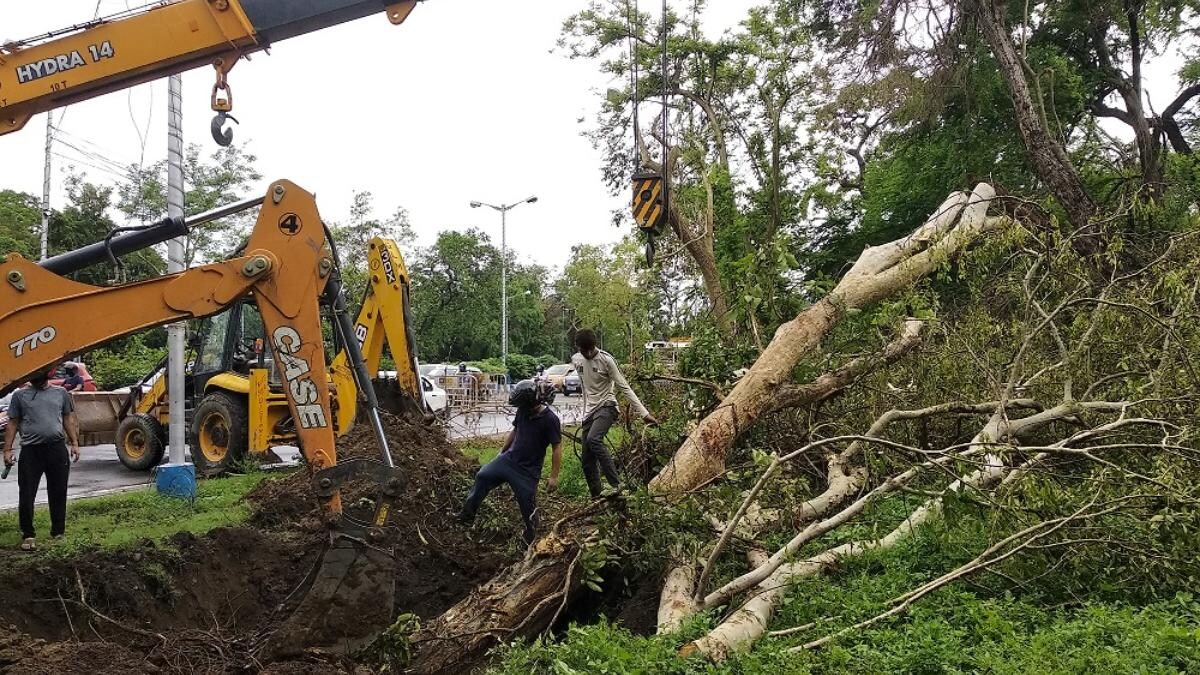
A routine email from a vigilant resident triggered swift action by Kolkata’s Forest Department, leading to the protection of a towering 50‑ft kadam tree that was being illegally felled on July 26 in a school compound in Dum Dum’s Bediapara area. Local environmentalists have lauded the rapid response as a model of citizen‑state collaboration for urban greenery conservation.
An alert citizen, upon witnessing woodcutters attacking the kadam tree without visible permission, immediately intervened and halted further damage. When the individuals could not present legal approval, she promptly emailed the range forest officer, setting off a chain reaction of enforcement. The next day, the forest department arrived on site, evaluated the situation, and stopped any further felling activities—effectively sparing the tree. Officials confirmed no prior approval had been granted for removal, underscoring the illegality of the attempted action.
According to a spokesperson from the local environmental rights group PUBLIC, the response has invigorated community faith in institutional accountability. She commented that citizens now feel empowered to lawfully challenge eco‑destructive actions, knowing authorities will act. “This will increase our belief in the system,” she said. This incident highlights a broader issue of urban forestry management in Kolkata. Rapid construction, encroachment, and administrative delays often expose mature trees to risks—even within ostensibly protected zones. Experts suggest that quicker redressal mechanisms and transparent communication channels can help cities uphold their responsibility toward urban biodiversity.
Civic society leaders praised the forest department’s response as a positive precedent, contrasting it starkly with previous cases where illegal felling went unchecked. The incident underlines the growing role of ordinary residents in environmental vigilance, and the critical importance of preserving mature native species like the kadam. Urban planners emphasised that mature trees offer vital ecosystem services—shade, cooling, carbon sequestration, and habitat for birds and insects—especially in dense residential zones. The quick rescue of the kadam tree demonstrates a scalable solution: citizen networks reporting threats, backed by responsive law enforcement.
While proactive enforcement is crucial, sustainable results will require long-term strategies: routine mapping of significant trees, digital tracking of permissions, community tree‑guard initiatives, and restoring surrounding green infrastructure. Kolkata’s city authorities and forest agencies must co‑design these systems to prevent future incidents. This event stands as a constructive template for other urban centres across India where tree felling remains a contentious issue. It underlines that even in dense metros, environmental safeguards can work—when citizens are vigilant and authorities act decisively. The community here now aims to protect nearby ponds and greens with renewed confidence.
Kolkata’s swift rescue of the kadam tree embodies the potential of collaborative conservation—proving that community care, joined with institutional responsiveness, can help build greener, more equitable cities.
Also Read : Delhi Roads Waterlogged After Heavy Rains Hit Several Areas
