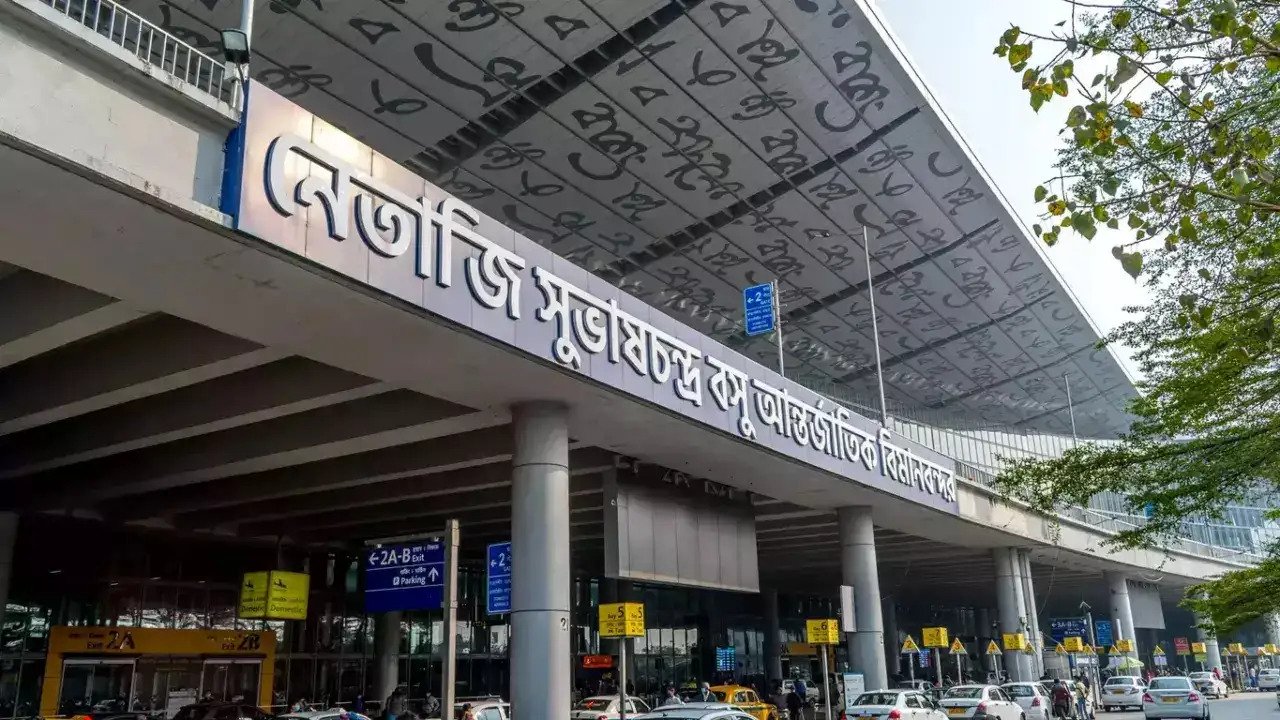
Kolkata’s primary aviation gateway is preparing a large-scale seating upgrade that will embed USB charging points directly into passenger chairs across the terminal, a move aimed at easing chronic power shortages in waiting areas and improving traveller comfort. The rollout of new Kolkata Airport USB charging chairs is expected to begin this year, starting with high-footfall boarding gates.
Airport authorities plan to replace more than half of the terminal’s three-seat modular units with upgraded versions equipped with integrated charging ports. The seating in question has been in use since the terminal became operational over a decade ago and is now due for renewal. Officials indicate that the retrofit will prioritise security hold areas, where dwell times are longest and access to power outlets has remained limited. At present, charging provision is concentrated in standalone “island” units positioned near select boarding gates. These typically serve only a handful of passengers at a time, creating crowding and forcing travellers to stand while devices power up. In peak hours, this results in long waits and visible congestion around charging points an issue particularly pronounced during flight delays.
By embedding ports within seating rows, airport planners aim to distribute electrical access more evenly and reduce pressure on common areas. Industry experts say such upgrades reflect a broader shift in terminal design, where digital connectivity is treated as a basic utility rather than a premium amenity. For airports competing for passenger satisfaction scores and airline partnerships, seamless device charging has become an operational necessity. The estimated capital outlay for replacing nearly 1,000 seating units is expected to run into several crores, according to officials familiar with the project. Beyond procurement, the more complex challenge lies in extending electrical infrastructure beneath the terminal floor. Engineering teams are working on routing concealed cabling through service ducts without disrupting daily operations a task that underscores how even minor comfort improvements can require significant backend investment.
Urban planners note that transport hubs are increasingly evaluated not only for throughput capacity but also for inclusivity and user experience. Accessible charging infrastructure supports elderly passengers, solo women travellers, and business commuters who rely heavily on mobile devices for navigation, payments and communication. As passenger traffic continues to recover and grow, incremental infrastructure upgrades such as Kolkata Airport USB charging chairs signal a broader recalibration of public facilities toward people-first design. The next phase will determine whether similar improvements extend to arrival halls and baggage claim zones, areas where power access has traditionally been sparse. For a city positioning itself as an eastern gateway for trade and tourism, the quality of small civic details inside its airport may increasingly shape global perceptions.