


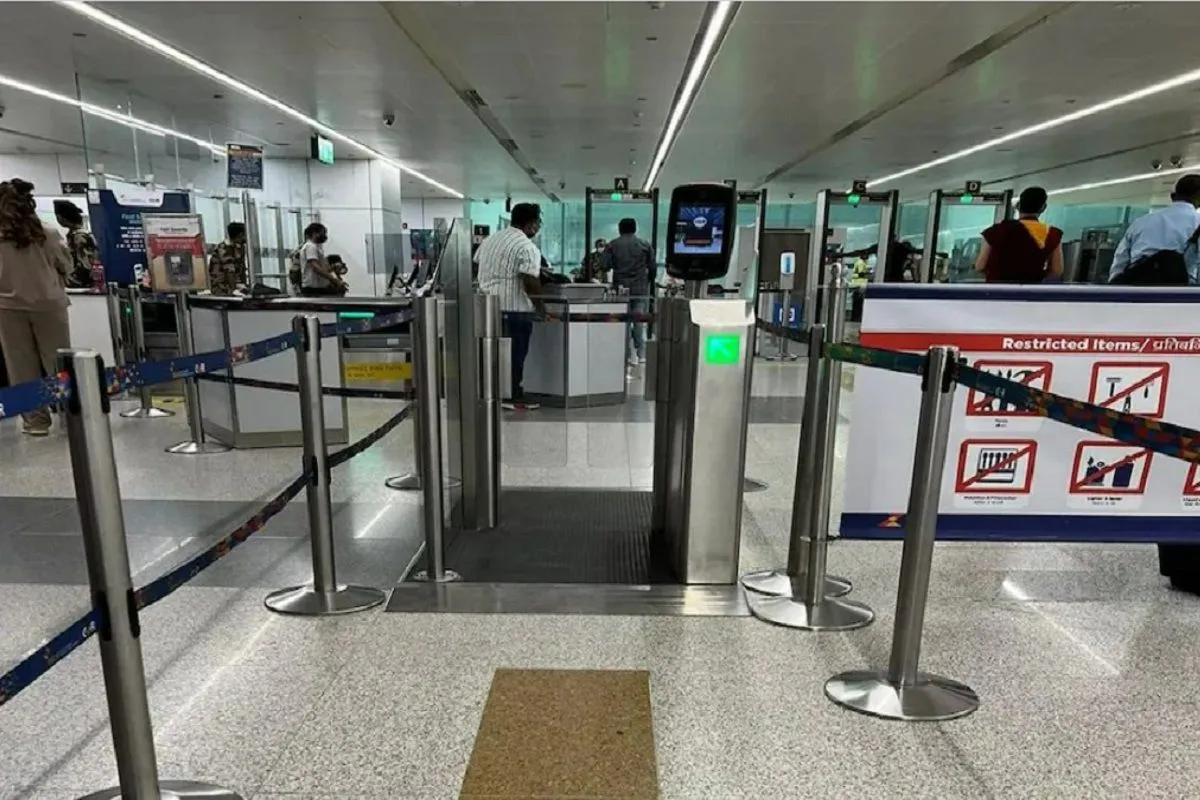
Utilising facial recognition technology, this initiative promises a faster, more secure, and environmentally conscious journey, particularly benefiting domestic transfer passengers. This strategic move positions Kolkata at the forefront of India’s digital transformation in aviation, aligning with the city’s vision for efficient, sustainable, and future-ready infrastructure.
The introduction of the DigiYatra system is set to fundamentally reshape the airport experience. By automating the identity verification process through advanced facial recognition, it drastically reduces the time passengers typically spend at various checkpoints, including entry gates, security checks, and boarding areas. This streamlining of operations not only enhances passenger convenience and efficiency but also contributes to the airport’s eco-friendliness. Less queuing and manual processing translate directly into reduced energy consumption and a lower operational carbon footprint, supporting the overarching goal of creating a zero net carbon urban environment.
Kolkata’s adoption of DigiYatra is an integral part of India’s broader national strategy to digitise air travel. Launched as part of the second phase of the DigiYatra project, which commenced earlier in December 2022 with airports in Delhi, Bengaluru, and Varanasi, this system is a major component of the country’s push to modernise air travel. For Kolkata, a crucial transit hub in Eastern India, this upgrade is particularly beneficial for domestic transfer passengers, ensuring faster and more seamless transitions between flights and significantly improving the airport’s overall efficiency in handling higher passenger volumes.
The biometric system at Netaji Subhas Chandra Bose International Airport plays a critical dual role in enhancing both security and hygiene. By replacing manual document checks with automated facial recognition, the need for physical contact is substantially reduced, a vital consideration in the post-pandemic era. This not only strengthens security protocols through faster and more accurate identity verification, minimising human error, but also promotes a healthier airport environment for both passengers and staff by curbing the transmission of germs. Kolkata’s embrace of such advanced biometric solutions positions it as a forward-thinking, tech-savvy metropolitan hub capable of adapting to evolving security needs while prioritising passenger well-being.
Kolkata’s implementation of the DigiYatra facility extends beyond merely improving air travel; it is a strategic step towards creating a more sustainable and resilient urban environment. By integrating smart technologies at its transportation hubs, Kolkata aligns perfectly with its goal of becoming a greener, more connected city. This focus on sustainable development ensures that while air travel becomes more convenient, it also remains environmentally responsible, contributing to a future-ready infrastructure that supports the city’s broader vision of eco-friendly and equitable growth for all its citizens.
Also Read: Pune Airport crosses 1 Crore mark in passenger flow with infrastructure boost
