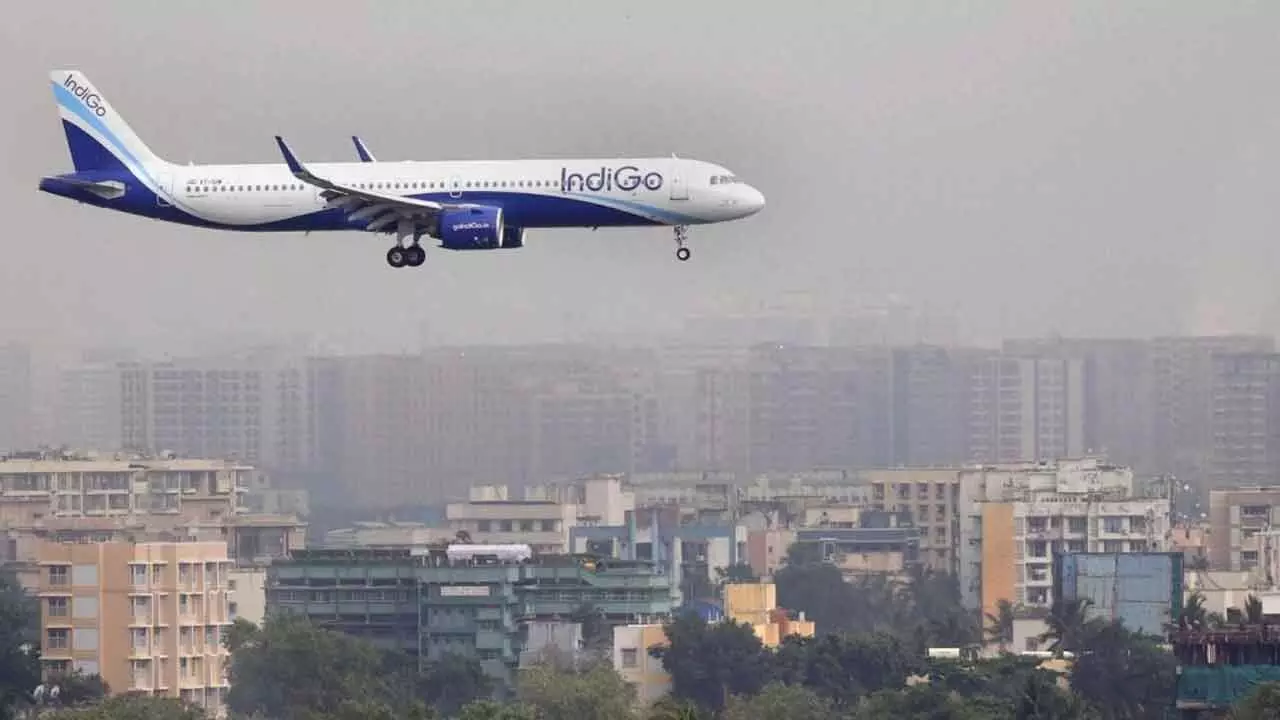
Kolkata’s aviation network experienced a cautious return to normalcy as two aircraft successfully repatriated hundreds of citizens from West Asia, following disruptions caused by escalating regional hostilities. The arrivals signal early restoration of international connectivity critical for city residents and businesses dependent on Gulf travel.
Over 160 passengers landed on a morning flight, marking the second successful repatriation since tensions intensified in the region. Another outbound service carried close to 100 travellers, reflecting gradual recovery in passenger movements despite intermittent airspace disruptions. Cargo operations also resumed, highlighting the importance of maintaining logistics flows even during geopolitical volatility. Urban mobility analysts note that Kolkata’s dependence on indirect Gulf connections exacerbates vulnerability during international crises. Unlike Delhi or Mumbai, the city lacks direct links to Europe and North America, amplifying the impact on residents and businesses when regional conflicts arise. A senior aviation official highlighted that restoring flight operations hinges on ongoing assessments of airspace safety, which remain fluid in light of regional tensions.
Travel agents and urban planners stress the broader socio-economic implications. The Gulf corridor underpins not only leisure tourism but also professional migration and trade flows. Delays or cancellations ripple through real estate investments, remittance-dependent households, and the city’s small and medium enterprise sector. A regional travel association pointed out that stabilising flight schedules is critical to sustaining urban economic resilience and safeguarding the mobility of Kolkata’s workforce. On the ground, citizens reported heightened caution and logistical challenges in transit hubs, reflecting the human dimension of urban vulnerability. Residents returning from the Gulf had to reroute through secondary airports due to temporary suspension of flights following drone activity near key terminals. Urban security experts suggest that metropolitan transport hubs must incorporate contingency protocols for international crises to minimise disruption to daily life and commerce.
The incident underscores the interconnectedness of global geopolitics and city-level infrastructure resilience. Kolkata’s airport, as a critical node in West Asia connectivity, faces both operational and strategic pressure to balance passenger safety with economic imperatives. Observers suggest that future planning should prioritise robust contingency frameworks, integrating climate- and conflict-resilient strategies for aviation and urban transport networks alike. As flights gradually resume, the city’s stakeholders are watching closely for further developments, with authorities emphasising real-time monitoring of regional conditions and collaborative coordination with Gulf carriers. The experience reinforces the need for resilient urban systems capable of sustaining economic, social, and infrastructural continuity in an unpredictable global environment.