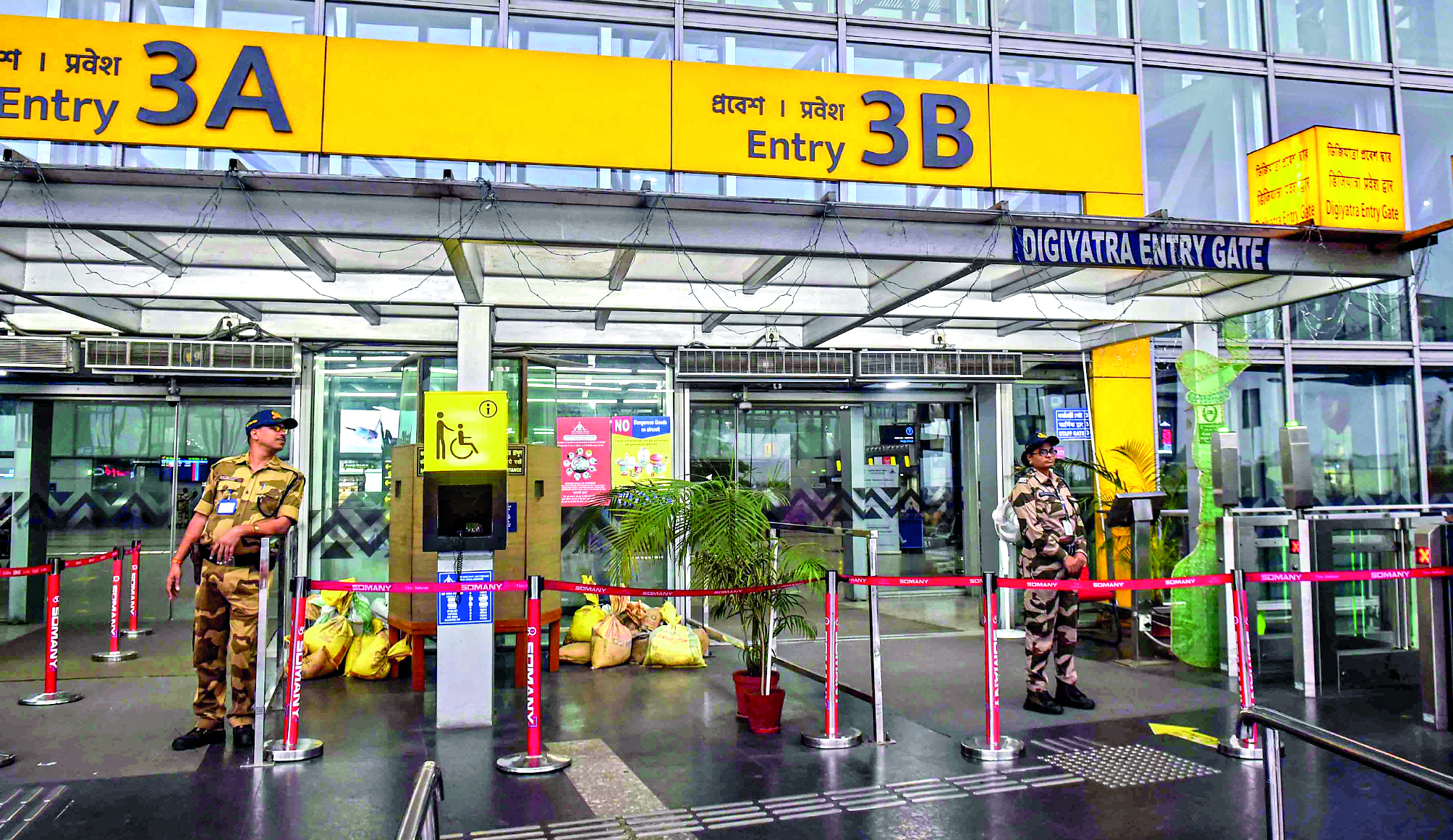
Kolkata witnessed a major repatriation effort over the weekend as over 800 passengers stranded in the Gulf due to escalating regional conflict returned via Emirates flights. The arrivals underscored the vulnerabilities of international travel networks during geopolitical disruptions and highlighted the pressure on city airports to manage sudden inflows of travellers while maintaining safety and operational efficiency.
The three flights, spaced across a 24-hour period, brought a mix of families, senior citizens, and solo travellers back to Kolkata. Airport authorities reported extensive coordination between airlines and ground services to ensure smooth processing, particularly at international arrival gates where families gathered to meet returning passengers. The incident illuminates broader challenges for urban infrastructure in managing crisis-driven mobility. Airports in megacities like Kolkata must maintain scalable operational capacities to handle unplanned surges while ensuring security, sanitation, and social distancing. A senior airport operations official noted that the coordination required real-time adjustments in gate allocation, baggage handling, and ground transport to prevent congestion and maintain commuter safety.
From an economic perspective, the evacuation reflects the intertwined nature of global cities and regional labour mobility. Many stranded travellers were professionals, students, or pilgrims whose temporary displacement affected local household economics and business activities, particularly in sectors reliant on Gulf remittances. Industry experts suggest that strengthening air connectivity and contingency planning for urban airports can mitigate economic disruption during such crises. Urban planners also point to the need for resilient infrastructure beyond airport terminals. Safe pedestrian pathways, accessible public transport, and well-coordinated emergency services are critical for facilitating rapid citizen movement during international crises. The weekend evacuation offered a real-world stress test, revealing both operational strengths and gaps in Kolkata’s urban mobility systems.
Airlines are responding with expanded services, with additional flights planned on key international routes over the coming week. While this eases immediate logistical bottlenecks, city administrators and transport authorities are evaluating long-term strategies to enhance urban preparedness for sudden surges in inbound or outbound passengers, particularly as climate risks and geopolitical tensions increasingly intersect with global mobility. As Kolkata navigates these challenges, the episode underscores the importance of integrating people-first urban planning, scalable transport infrastructure, and adaptive operational systems in building resilient, inclusive cities capable of responding to sudden human mobility crises.