



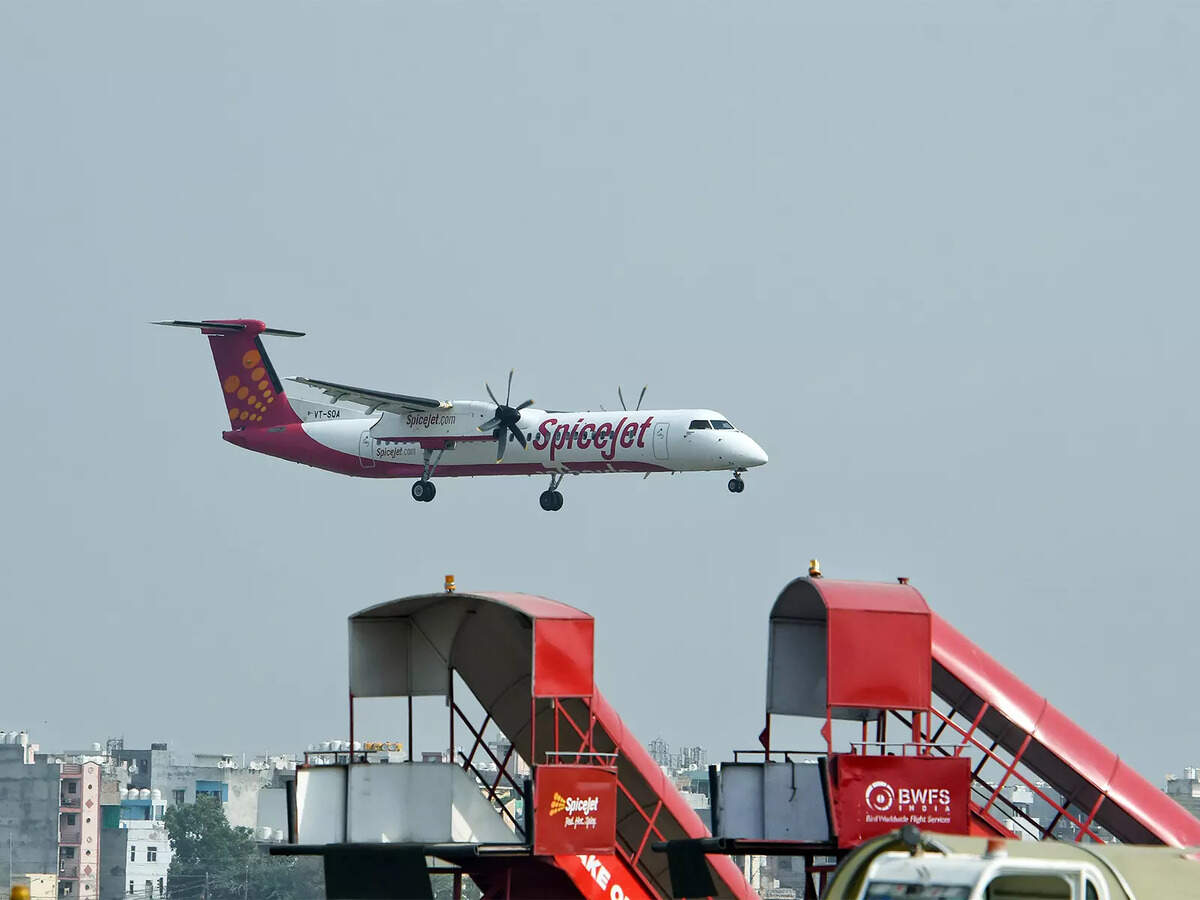
Flight operations in Kolkata are facing potential disruptions as adverse weather conditions prompt airlines to activate contingency advisories, highlighting the growing vulnerability of urban aviation networks to climate variability.
The alert, issued ahead of expected atmospheric disturbances, underscores the operational risks confronting one of eastern India’s busiest aviation hubs.Airline officials have indicated that fluctuating weather patterns—including heavy rainfall, gusty winds, and reduced visibility—could impact both arrivals and departures at the city’s primary airport.Such conditions typically trigger cascading delays, as aircraft sequencing and ground handling processes become more complex under restricted visibility protocols.The development brings renewed focus to the resilience of urban transport infrastructure, particularly in climate-sensitive regions.Airports like Kolkata serve as critical economic gateways, linking regional industries, logistics networks, and passenger mobility. Disruptions not only affect travellers but also have downstream implications for cargo movement, business continuity, and time-sensitive supply chains.Experts in urban infrastructure note that the increasing frequency of extreme weather events is beginning to test the limits of legacy airport systems.
While operational advisories help mitigate immediate risks, they also reveal gaps in long-term climate adaptation planning. Infrastructure upgrades—such as improved drainage systems, advanced weather monitoring technologies, and more flexible air traffic management—are becoming essential rather than optional.The situation also reflects broader challenges in managing high-density urban ecosystems.As cities expand and air travel demand rises, the margin for operational disruption narrows.Even short-term weather-related interruptions can strain airport capacity, leading to overcrowding, extended turnaround times, and increased resource consumption.From a sustainability standpoint, such disruptions carry an environmental cost.Aircraft holding patterns, delayed departures, and rerouted flights contribute to higher fuel burn and emissions, complicating efforts to align aviation growth with climate goals.Industry observers suggest that integrating predictive analytics and climate-resilient design into airport planning could help reduce both operational and environmental impacts.Authorities and airline operators are advising passengers to monitor flight updates and allow additional buffer time for travel. While such measures address immediate uncertainties, the episode reinforces a larger shift underway in urban infrastructure planning—where resilience to climate shocks is becoming central to economic stability.
As weather patterns grow more unpredictable, cities like Kolkata may need to accelerate investments in adaptive infrastructure to ensure continuity in critical transport services. The evolving aviation response signals a transition from reactive disruption management to proactive resilience-building in India’s urban mobility networks.
Also Read:Kolkata CBSE Evaluation Schedule Expands To Sundays
