


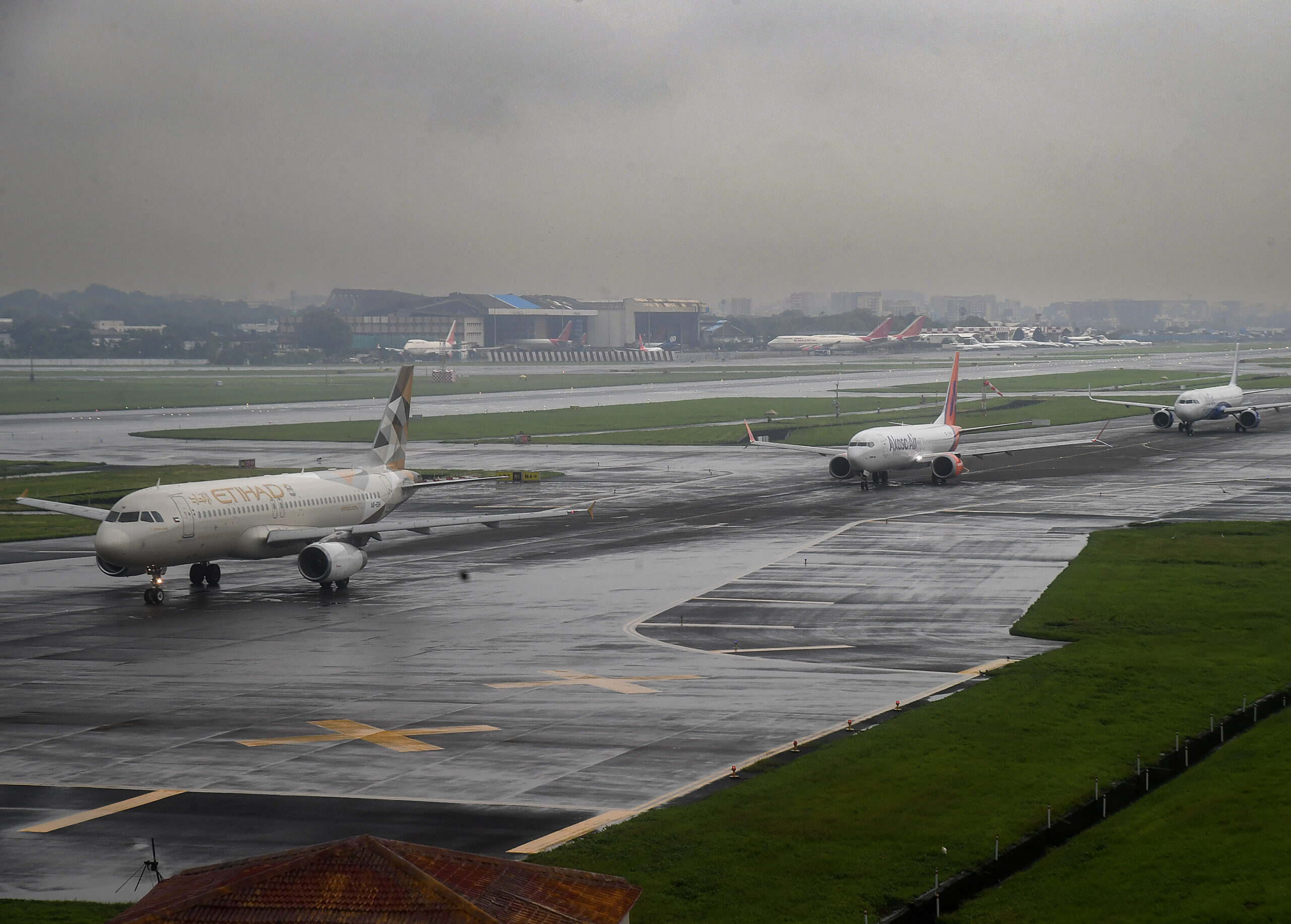
A brief suspension of flight operations at Kolkata’s primary airport has drawn attention to the fragility of urban aviation systems, after air traffic was halted for a short duration to facilitate the landing of a delayed aircraft carrying a senior government functionary.
While operations resumed quickly, the incident has reignited concerns around prioritisation, congestion management, and resilience in rapidly expanding city infrastructure.Urban aviation hubs such as Kolkata are increasingly under pressure as passenger volumes rise and air traffic movements intensify. Temporary closures, even for a few minutes, can trigger cascading delays, disrupt airline schedules, and inconvenience thousands of travellers. Industry observers note that such interruptions highlight the need for more robust scheduling protocols and contingency planning, particularly in cities where airport capacity is already stretched.Officials familiar with airport operations indicated that controlled airspace adjustments are sometimes necessary for safety and coordination. However, urban planners argue that reliance on operational pauses reflects deeper systemic constraints. With limited runway capacity and high peak-hour demand, airports in dense cities often operate with little margin for disruption.The episode also underscores the intersection between governance protocols and public infrastructure usage. Experts suggest that balancing security requirements for high-profile movements with the efficiency of public services remains a persistent challenge in Indian cities.
In the absence of dedicated or segregated systems, commercial operations frequently absorb the impact.From a broader urban development perspective, the incident points to the urgency of modernising airport infrastructure in line with projected growth. As cities aim to position themselves as economic hubs, seamless connectivity becomes critical not just for mobility but also for business confidence and investment flows. Even short-lived disruptions can carry reputational implications in competitive urban economies.Sustainability and resilience considerations further complicate the picture. Aviation infrastructure must evolve to handle increasing demand while minimising environmental and operational stress. This includes better air traffic management systems, digital coordination tools, and infrastructure upgrades that reduce dependency on manual or reactive interventions.For commuters, the immediate concern remains reliability. Frequent flyers, business travellers, and logistics operators depend on predictable schedules. Any perception of arbitrary disruption—regardless of its cause—can erode trust in the system.Looking ahead, experts emphasise the need for transparent operational guidelines and infrastructure investments that align with long-term urban growth.
As Kolkata continues to expand its economic and connectivity ambitions, strengthening the resilience of its airport ecosystem will be central to ensuring that such disruptions remain rare rather than routine.
Also Read:Kolkata Fuel Supply Concerns Impact Urban Stability
