


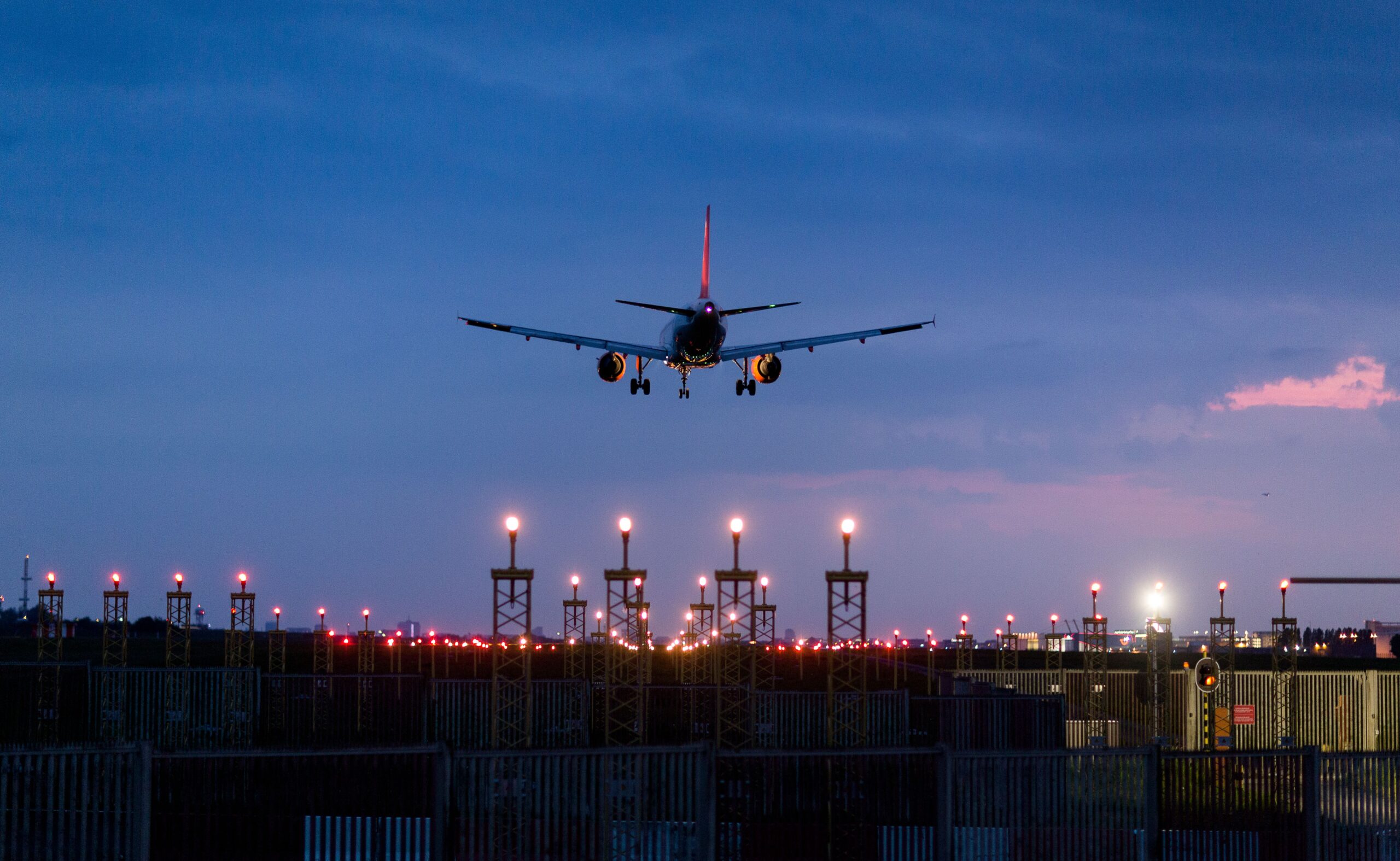
A prolonged mid-air delay over Kolkata has drawn renewed attention to how extreme and unpredictable weather is increasingly testing the resilience of urban aviation infrastructure.
A flight carrying a senior public official was forced to remain airborne for over an hour before landing clearance was granted, underscoring operational vulnerabilities at one of eastern India’s busiest airports.The disruption occurred amid unstable wind conditions that prevented immediate landing, forcing the aircraft to circle above the city.While such holding patterns are not uncommon in congested airspace, aviation experts note that the duration and cause of this delay highlight a growing intersection between climate variability and urban transport systems.For a dense metropolitan region like Kolkata, where airport operations are closely tied to economic activity, delays of this nature ripple beyond passenger inconvenience. Extended airborne time increases fuel consumption, raises operational costs for airlines, and contributes to higher emissions—challenging broader sustainability goals in the aviation sector.Urban planners and aviation analysts point out that ageing airport infrastructure, combined with rising passenger traffic, leaves limited room for flexibility during weather disruptions. “Airports in legacy urban cores often face spatial and technological constraints,” said an aviation consultant familiar with eastern India operations. “When adverse weather intensifies, the system has fewer buffers to absorb delays.”
The incident also brings into focus the need for improved forecasting systems and real-time air traffic management tools. Advanced weather prediction models, integrated with airport operations, can help reduce uncertainty and minimise holding times. Several global cities are already investing in such systems to build climate-resilient aviation networks.From a city planning perspective, the episode raises broader concerns about how infrastructure is adapting to changing environmental patterns. Increasing instances of erratic wind behaviour, sudden storms, and temperature fluctuations are beginning to affect not only aviation but also surface transport, construction timelines, and energy demand.Officials in the aviation ecosystem have indicated that operational safety protocols were followed, and the delay was managed within regulatory norms.However, industry observers stress that reactive measures are no longer sufficient. Instead, long-term investments in resilient infrastructure, including runway technology upgrades and improved airspace coordination, will be critical.The economic implications are equally significant. Airports serve as key nodes in urban growth, supporting tourism, trade, and business mobility. Repeated disruptions risk undermining efficiency and investor confidence, particularly in cities positioning themselves as regional economic hubs.
As climate-linked uncertainties grow, the Kolkata incident serves as a reminder that urban infrastructure must evolve beyond capacity expansion to resilience planning.Future readiness will depend not just on handling higher volumes, but on ensuring continuity in increasingly unpredictable conditions.
Also Read:kolkata Fuel Excise Cut Impact On Urban Costs
