Kolkata Airport Cancels 55 Flights As Heavy Rains Flood Runways
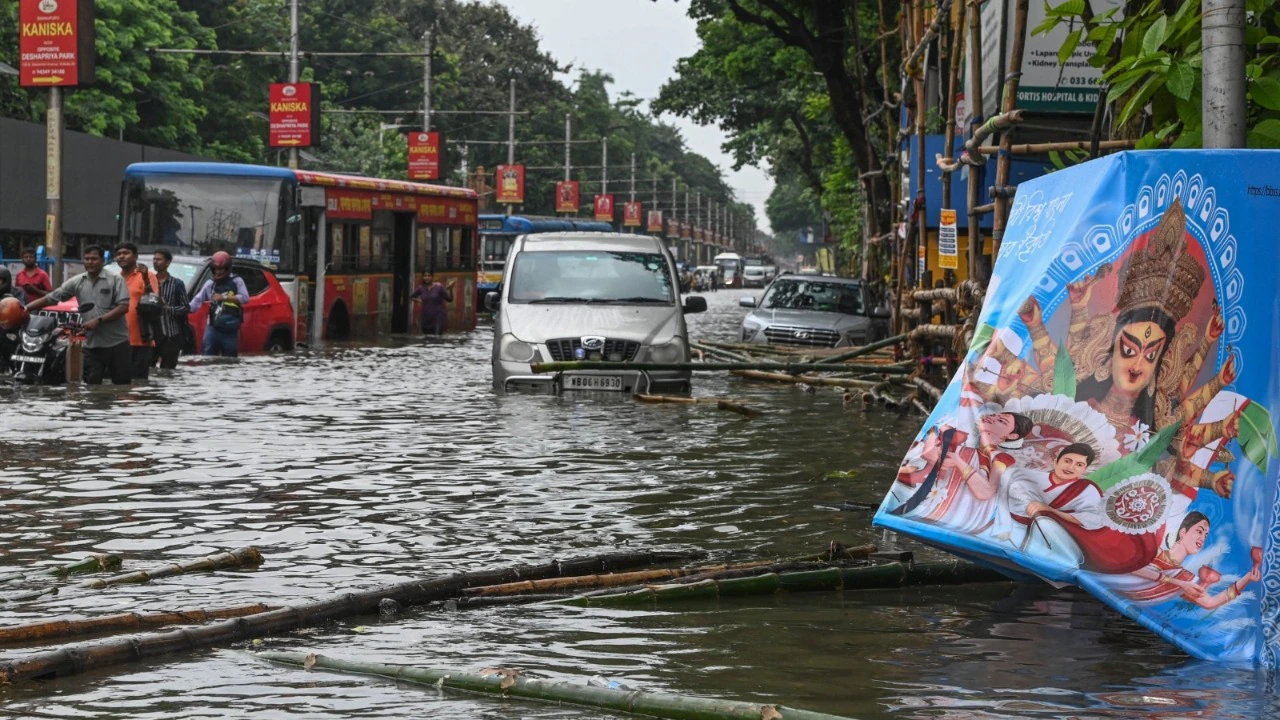
Air connectivity in eastern India was thrown into disarray on Tuesday as operations at Kolkata’s Netaji Subhas Chandra Bose International Airport were severely hit by incessant rainfall. Airport authorities confirmed that 55 flights, including 28 arrivals and 27 departures, were cancelled between midnight and early afternoon as waterlogging disrupted normal functioning.
Officials deployed seven high-capacity pumps to drain water from low-lying sections of the runway and apron areas, where accumulation made safe manoeuvring of aircraft difficult. Despite continuous pumping, torrential showers created persistent flooding, slowing down ground handling and passenger boarding. The cascading effect left airlines scrambling to adjust schedules while thousands of travellers faced long delays and last-minute cancellations.
Experts in aviation management described the episode as another reminder of how extreme weather events, intensified by climate change, are now regularly disrupting critical infrastructure. Airports, designed as high-efficiency hubs, are increasingly vulnerable to localised flooding, power surges and drainage overloads. In Kolkata’s case, the combination of high-intensity rainfall and inadequate stormwater management created conditions where even contingency measures struggled to keep pace.
From a sustainability perspective, the incident also underscores the urgency of future-proofing airports. Environmental specialists have long emphasised that urban infrastructure projects, including aviation hubs, must incorporate resilient drainage, renewable energy integration and low-carbon design to withstand the climate shocks of the coming decades. The recurring monsoon disruptions across India’s major airports reflect both a climate adaptation challenge and a public safety imperative.Airlines are now pushing for rapid updates to contingency planning at high-traffic airports, particularly in metro cities. Officials are reviewing operational protocols to ensure that passengers receive timely information on delays and cancellations. However, stranded passengers expressed frustration over limited communication, pointing to the need for more transparent digital alerts and better crowd management.
The disruption also raises questions about equity and inclusivity in travel resilience. While business travellers often have alternative options, daily wage workers, students and medical patients depending on affordable flights bear the brunt of sudden cancellations. For them, the airport flooding is not just an operational issue but an economic setback, adding to costs and uncertainties.Authorities confirmed that once weather conditions ease and excess water is cleared, normal operations will resume.
In the longer term, planners argue that Kolkata Airport, like other high-density terminals in India, must integrate sustainable drainage, smarter runway design and flood-resilient infrastructure if it is to retain its role as the primary aviation gateway for eastern India.For a city aspiring to balance growth with sustainability, the latest episode serves as both a warning and an opportunity: to reimagine aviation infrastructure in a way that can withstand the pressures of a changing climate while ensuring equitable mobility for all.