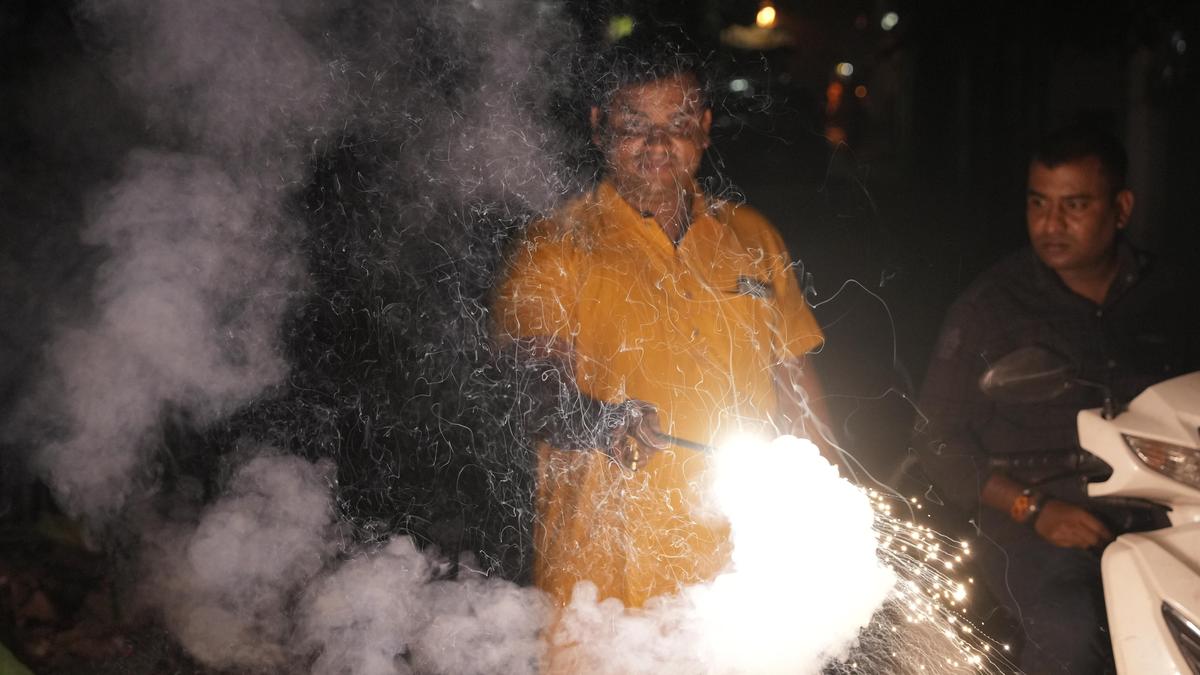
Kolkata began the New Year under a blanket of dense smog as air pollution levels surged sharply across the city following widespread midnight celebrations. Air quality readings taken early on January 1 placed large parts of the metropolis in the ‘very poor’ category, highlighting how seasonal weather patterns combined with festive emissions can quickly push urban environments into high-risk zones.
Monitoring stations across south and east Kolkata recorded a sudden deterioration in air conditions within hours of the celebrations. Areas such as Jadavpur and Salt Lake emerged among the most affected, while even traditionally greener and better-ventilated zones near central landmarks showed a marked decline. For residents, the change was visible and tangible: reduced visibility, acrid odours in the air and irritation in the eyes and throat were widely reported during morning hours. Urban climate specialists attribute the spike to a convergence of local emissions and winter meteorology. Firework residue released large quantities of fine particulate matter, particularly PM2.5, which tends to linger close to ground level during colder months. Low wind speeds and thermal inversion a condition where cooler air near the surface is trapped under warmer air above prevented pollutants from dispersing, allowing concentrations to build rapidly over residential neighbourhoods. As a result, Kolkata air quality crossed thresholds associated with increased respiratory and cardiovascular risks.
The episode also drew attention to the city’s persistent struggle with noise pollution. Measurements taken near educational institutions and residential pockets exceeded legally permissible limits, even in designated silence zones. Urban health experts note that combined exposure to high noise and poor air quality amplifies stress levels, disrupts sleep and disproportionately affects children, older adults and informal workers who remain outdoors for long hours. From an urban governance perspective, the New Year pollution spike underscores structural challenges in managing festive emissions within dense, low-wind cities. While emergency weather changes later in the day prevented conditions from escalating further, officials cautioned that stable winter conditions could allow pollution to linger for several days. This has implications not just for public health, but also for productivity, tourism and the liveability of high-density residential areas.
Urban planners argue that repeated seasonal pollution episodes point to the need for long-term strategies rather than short-term advisories. Strengthening early warning systems, enforcing existing noise and emissions regulations, and encouraging low-impact celebration practices are increasingly seen as part of responsible city management. Equally important is expanding green buffers and improving last-mile public transport to reduce baseline pollution levels during winter. As Kolkata continues to balance cultural traditions with environmental limits, the first day of the year served as a reminder that climate resilience and public health protection are now central to urban planning. How authorities respond in the coming weeks may shape not only this winter’s air quality, but the city’s broader pathway towards a healthier, more sustainable urban future.
Kolkata air quality dips after New Year