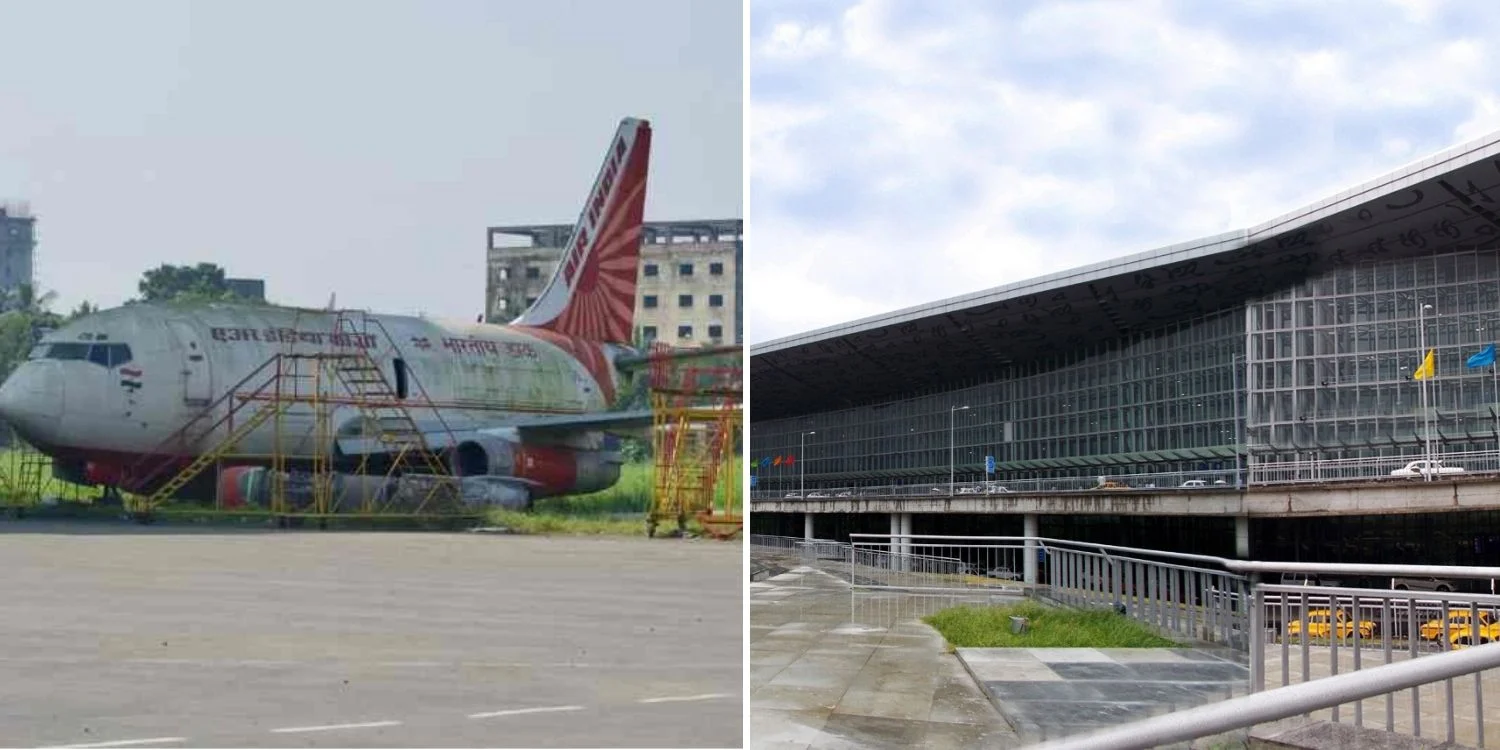
Kolkata Airport has become the unlikely centre of aviation intrigue after Air India rediscovered a Boeing 737 freighter that had been abandoned on the airfield for 13 years. The aircraft, a 43-year-old “Baby Boeing” registered VT-EHH, had vanished from the airline’s official asset records in 2012 and only came to light following a request from airport authorities for its removal on 22 November 2025.
The jet first entered service in 1982 with Indian Airlines before transitioning to Alliance Air. In 2007, Air India converted it into a freighter, subsequently contracting it to India Post. Rather than being sold, scrapped, or properly documented, the aircraft was quietly left in a remote corner of Kolkata Airport and effectively forgotten, highlighting gaps in asset management practices during the pre-privatisation period.An internal review prompted by the airport request revealed that VT-EHH had not been included in budgets, maintenance schedules, or corporate records for over a decade. “This case underscores the need for rigorous asset tracking, particularly as airlines modernise and restructure,” an aviation industry expert commented. The oversight, while unusual, is emblematic of broader record-keeping challenges in large, legacy organisations.
The rediscovery also draws attention to potential opportunities in urban and industrial repurposing of retired aircraft. Air India has reportedly relocated the jet from Kolkata to Delhi, and it is set to be moved to Rajasthan where it will be repurposed as a themed restaurant. Observers note that such initiatives combine heritage preservation with innovative commercial reuse, contributing to sustainable urban redevelopment by giving defunct assets new purpose.From a city planning perspective, the episode highlights the importance of strategic management of large, immobile assets within urban transport hubs. Long-term abandonment of aircraft or similar infrastructure can occupy valuable land, create logistical bottlenecks, and generate environmental concerns. Urban development specialists emphasise that repurposing or redeployment of dormant assets aligns with zero-waste, inclusive city principles and can enhance civic value.
While the immediate impact of the rediscovered aircraft is largely symbolic, the story illustrates how overlooked resources can be integrated into creative urban solutions. By converting a forgotten freighter into a themed commercial venture, stakeholders are demonstrating how legacy aviation infrastructure can intersect with city development, cultural engagement, and sustainable business models.
The VT-EHH episode serves as a reminder for both public and private agencies to maintain meticulous records and plan proactively for asset utilisation, balancing operational efficiency with environmental and civic responsibilities in India’s rapidly urbanising regions.
Kolkata Air India Plane Abandoned Airfield Found After Thirteen Years Rediscovery Confirmed