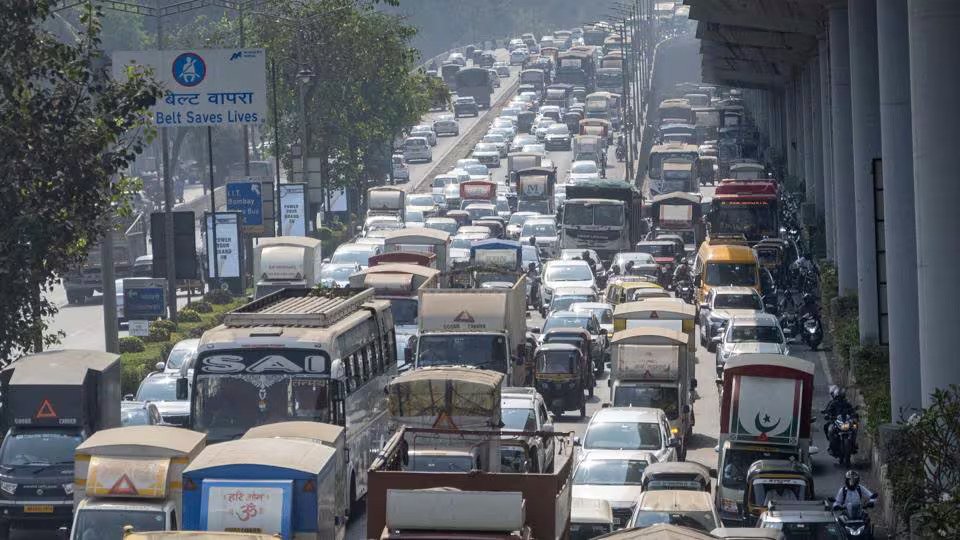
Kolhapur’s urban mobility landscape is at an inflection point as encroachments on city roads increasingly slow traffic and spur calls for coordinated civic action. With footpaths and carriageways in commercial zones overrun by informal stalls and roadside structures, everyday commuters and small businesses alike are feeling the strain, prompting local bodies to reassess traffic management and public space governance ahead of peak economic activity.
Rising congestion on principal corridors — where roadside cabins, hawker stalls and informal parking reduce road capacity — has underscored a persistent planning challenge for the Kolhapur Municipal Corporation (KMC). Urban analysts say that such encroachments not only constrain vehicle movement but also diminish pedestrian safety and slow emergency response times, affecting both quality of life and economic productivity. This issue has been a recurring theme for civic watchers and residents alike. Encroachment‑linked congestion around heritage hubs and temple precincts previously triggered focused enforcement ahead of festival seasons, indicating that periodic civic drives do yield temporary relief but don’t yet offer systemic solutions. Traffic studies of Indian cities of similar scale show that unmanaged street vending and roadside encroachments are a common source of bottlenecks. Narrow urban road sections, unsynchronised signals, and on‑street parking can compound these pressures, turning key junctions into slow‑moving zones during peak hours.
For Kolhapur, these mobility concerns intersect with broader urban development aspirations. The city’s role as both a regional commercial node and a cultural destination means that traffic flow influences retail vitality, tourism experiences, and logistics efficiency. Congestion not only increases travel times but also elevates emissions and noise levels, with knock‑on effects on public health and environmental resilience. Municipal responses are gradually evolving. Urban planners suggest that delineated vending zones, dedicated parking bays, and pedestrian‑priority streets could strike a balance between economic opportunity for informal vendors and unhindered traffic movement. Combined with improved signal timing and selective enforcement of no‑parking zones, these measures can reduce pinch points without displacing livelihoods. Public engagement, too, is shaping the conversation. Resident groups have called for participative planning forums where daily users of city roads can inform prioritisation of interventions, from one‑way street reform to truck‑restriction policies in congested markets. This inclusive approach aligns with broader goals of people‑first urbanisation and equitable access to public space.
With economic activity set to rise in the post‑festival and tourism seasons, Kolhapur’s multi‑stakeholder focus on better traffic flow and encroachment management represents both a governance challenge and an opportunity to demonstrate resilient, equitable urban mobility solutions that support sustainable growth.