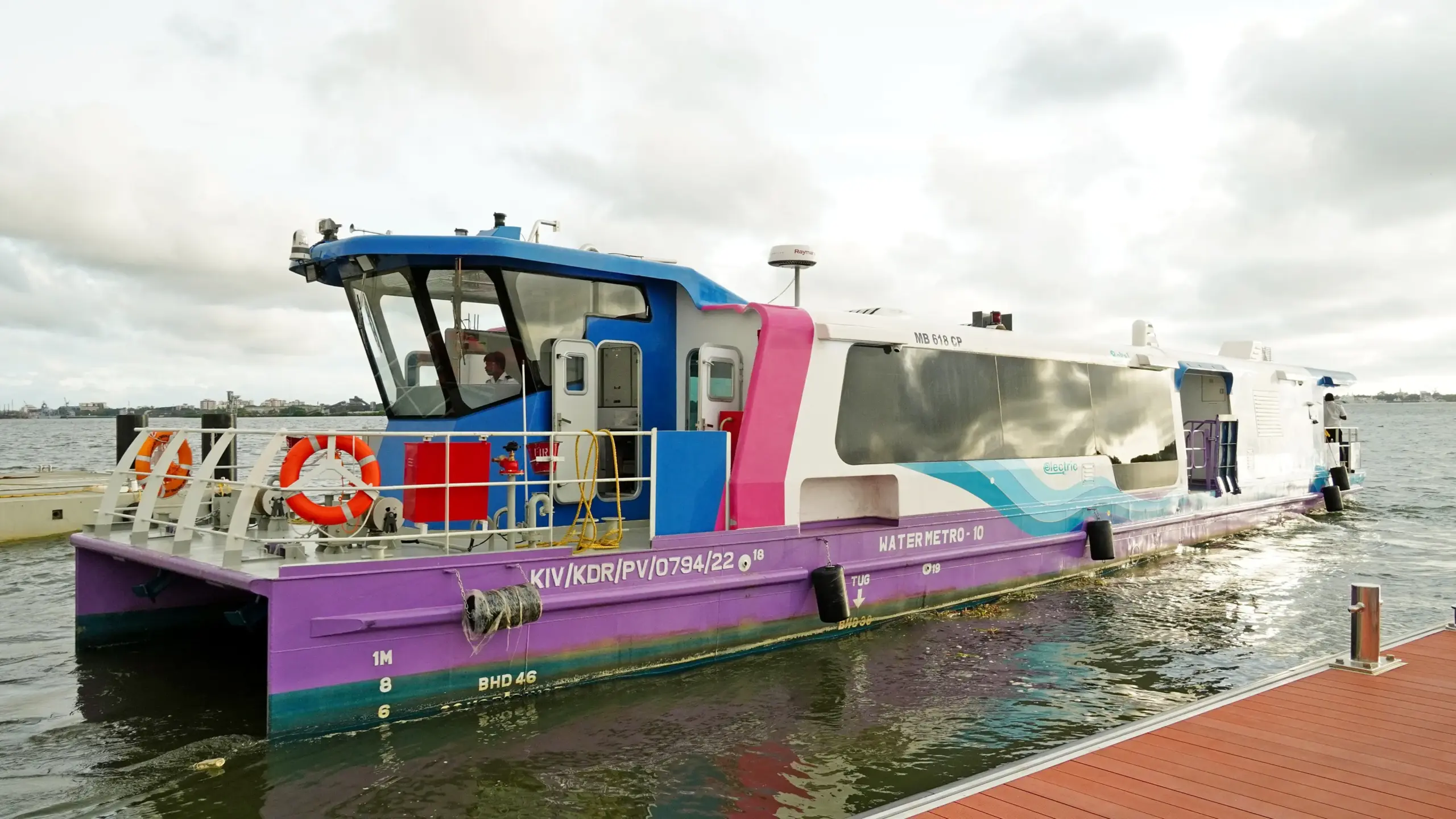
Kochi Water Metro Success Sparks Expansion To Alappuzha Kollam Lakshadweep
Kochi’s pioneering Water Metro has set the benchmark for sustainable urban transport in India, with authorities now planning to replicate the model in 21 cities nationwide. Following the system’s operational success since April 2023, feasibility studies are set to begin in Alappuzha and Kollam, Kerala, within the next two months. Officials aim to submit detailed reports shortly thereafter, evaluating the potential for water-based urban transit to boost connectivity and tourism in these regions.
The Kochi Water Metro has already transported over five million passengers since its launch, underscoring its operational efficiency and the growing public appetite for eco-friendly transport alternatives. Its success has inspired similar projects in other cities, with feasibility assessments already completed in Mumbai, Srinagar, Patna, and Varanasi. Kochi Metro Rail Limited (KMRL) has been entrusted with preparing the detailed project report for Mumbai’s Water Metro, highlighting its emerging role as a national benchmark in sustainable transport planning.
Of the 21 proposed sites across India, four Lakshadweep, Kolkata, Alappuzha, and Kollam are still undergoing feasibility studies. Early-stage discussions are also underway to extend Kochi’s network to Nedumbassery International Airport, offering seamless integration with air travel. Officials emphasise that the expansion could provide environmentally sustainable alternatives to road transport, reduce congestion, and encourage scenic urban commuting for both residents and tourists.
Experts in urban transport highlight that water-based mass transit systems like the Kochi Water Metro align with India’s broader sustainable development agenda, integrating low-carbon solutions with equitable access. The potential for replication across multiple cities is expected to have a cascading effect on urban mobility planning, tourism development, and local economies.The Water Metro model combines modern ferry services with last-mile connectivity options, providing a resilient solution for densely populated regions and flood-prone areas. Its success demonstrates how thoughtfully designed public transport infrastructure can deliver both operational efficiency and environmental benefits, paving the way for India’s cities to adopt similar climate-conscious urban transit systems.
With the next phase of expansion in Alappuzha and Kollam, authorities are optimistic that the Water Metro network will enhance Kerala’s tourism appeal while offering sustainable commuting options. Experts note that careful planning, adherence to environmental norms, and integration with existing transport networks will be key to the system’s long-term success.Kochi’s Water Metro success story is not just a local achievement but a template for modern, low-carbon urban mobility across India. By leveraging lessons learned from Kochi, cities such as Kolkata and Lakshadweep could soon experience a similar transformation in public transport, combining innovation with sustainability and efficiency.