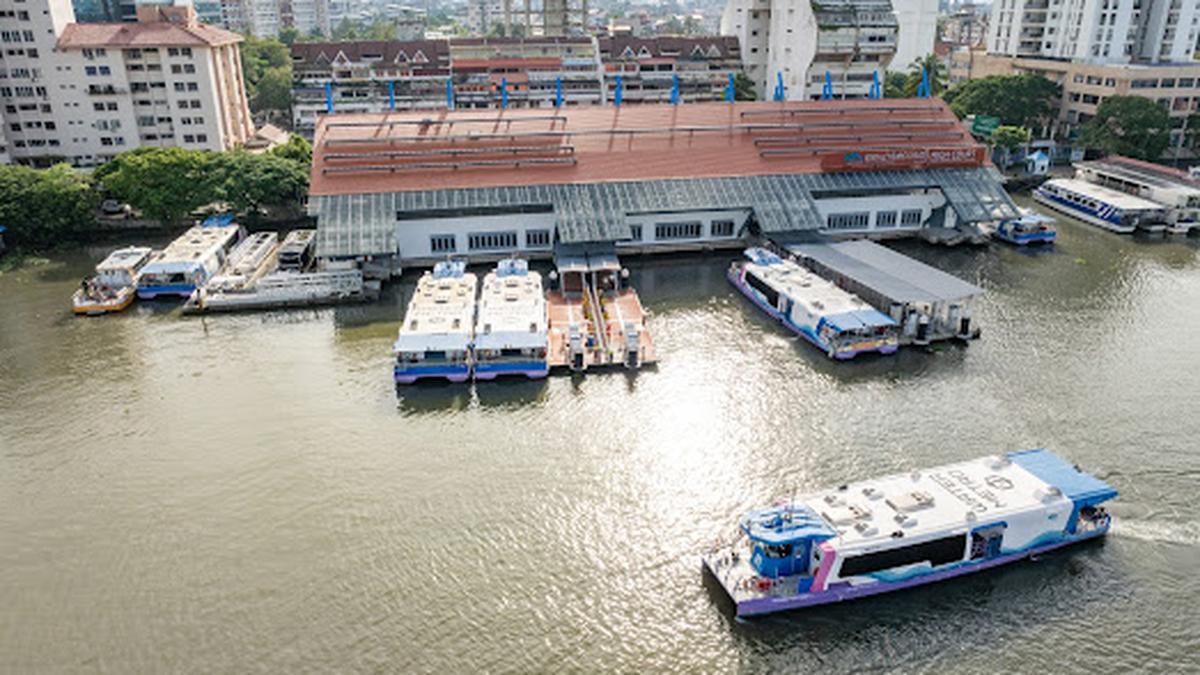
Kochi Water Metro is recalibrating its financial strategy by scaling up non-ticket income streams, signalling a shift towards transit-oriented revenue models increasingly adopted by urban transport systems worldwide. The move comes as the water-based public transport network seeks to accelerate its path to financial sustainability while maintaining affordable fares and expanding low-emission mobility across the city’s waterways.
Senior officials overseeing operations said the focus is now on building predictable, non-fare revenue without compromising commuter experience. The strategy rests on monetising assets already embedded within the system boats, terminals and waterfront locations rather than increasing passenger charges. Urban transport economists say such diversification is critical for modern public transit systems, where farebox collections alone rarely cover operational and capital costs.
A key pillar of the plan involves structured branding and advertising inside vessels. Designated display zones within boats are being positioned as high-visibility spaces for local and national brands, leveraging steady ridership flows across peak and off-peak hours. Unlike conventional outdoor advertising, this approach offers advertisers captive audiences while generating recurring income for the operator. Parallel efforts are underway to unlock the commercial potential of terminals. Selected stations are being prepared for leasing small-format retail spaces, including convenience outlets and service kiosks. Officials confirmed that earlier procedural delays around land ownership and approvals have been resolved, clearing the way for tendering and operations. From an urban development perspective, such integration of commerce within transit hubs is seen as a way to activate public spaces and improve station safety through increased footfall.
Seasonal kiosks form the third component of the Kochi Water Metro non fare revenue plan. These short-term pop-ups, run in collaboration with publishers, cultural organisations and local enterprises, are designed to respond to passenger interests without permanently altering station layouts. Transport planners note that flexible retail formats help test demand while supporting local businesses and creative economies.
The most ambitious element involves repositioning select terminals as waterfront social spaces rather than purely transit points. Stations in high-density commercial and residential zones have been identified for pilot projects that could include cafés and leisure amenities. Such models, common in European and East Asian ferry systems, align with people-first urban design by encouraging walking, lingering and social interaction around public transport. Data available with the operator indicates that four major terminals alone offer close to 39,000 sq ft of commercial activity space, representing a significant untapped revenue opportunity. Since operations began in 2023, the system has recorded over 5.7 million passenger journeys, underlining the scale of daily engagement available to potential commercial partners.
Urban policy experts caution that execution will be critical. Transparent leasing, design controls and environmental safeguards will determine whether commercialisation strengthens or dilutes the system’s sustainability goals. If balanced well, Kochi’s approach could offer a replicable blueprint for Indian cities looking to fund clean transport while enhancing public spaces along their waterfronts.
Kochi Water Metro Expands Non Fare Revenue Strategy