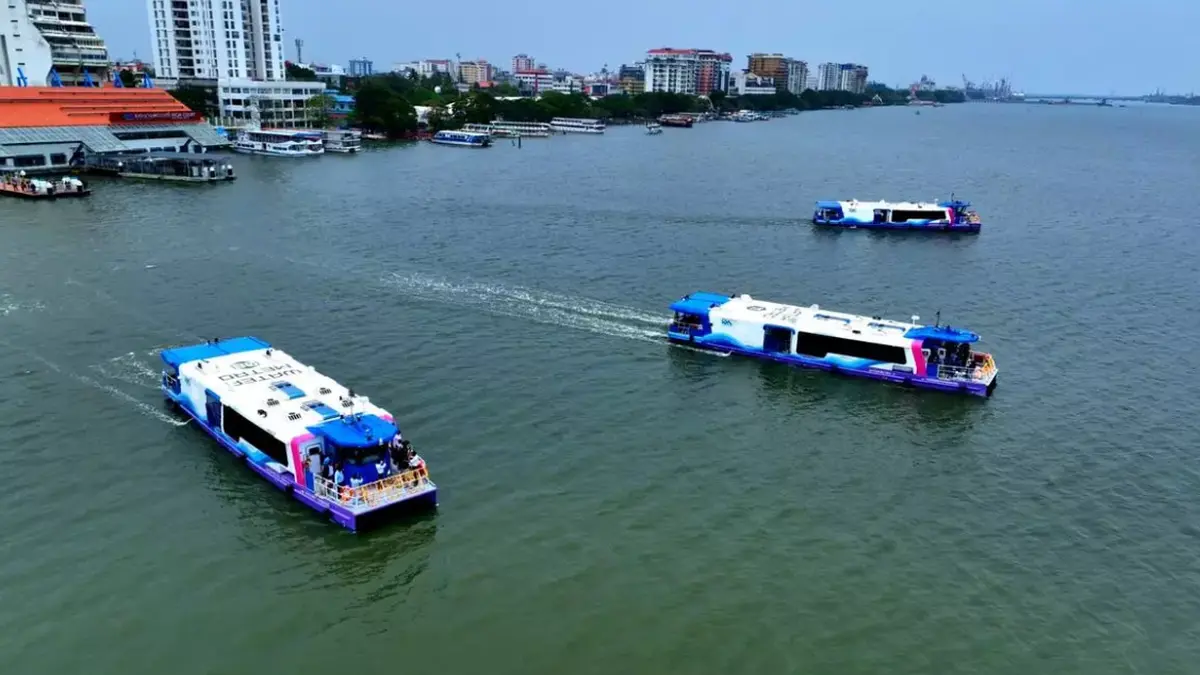
Kochi Water Metro Expands Electric Ferry Services To Islands
The Kochi Water Metro is poised to extend its zero‑emission ferry services to the Kadamakkudy island cluster within the next three months, marking a significant milestone in Kerala’s integrated water‑based urban mobility network and its effort to reduce road congestion while enhancing connectivity for peripheral communities. This expansion underscores how water transport can support both everyday commuting and broader goals of sustainable, low‑carbon urban development.
Kochi Water Metro Limited (KWML), the special purpose vehicle overseeing the system, has nearly completed the terminals at Kadamakkudy and nearby Paliyamthuruth, clearing the way for scheduled services to link these scenic islands with the city’s central water transit hubs. Boats are expected to operate initially between established terminals such as High Court and Mattancherry, offering island residents and visitors a reliable alternative to congested road travel. The Kadamakkudy corridor expansion follows the broader rollout of India’s first integrated water metro system, which already connects several backwater communities with Kochi’s urban core using battery‑electric and electric‑hybrid ferries. The system’s design — with floating pontoons, frequent services along key routes, and operational integration with metro and bus networks — reflects how multimodal planning can unlock mobility options that are both environmentally sustainable and socially inclusive.
For the largely rural and tourism‑oriented islands of Kadamakkudy — located amid the vast Vembanad Lake — water connectivity has long been a logistical challenge. Absence of frequent, dependable public transport has limited access to education, healthcare, markets and jobs for residents, while also constraining the area’s potential as a destination for eco‑tourism. The new Water Metro link promises shorter travel times, predictable schedules and easier access to the mainland’s economic centres, potentially stimulating local livelihoods and visitor footfall. Urban transport analysts note that extending water‑based transit into hinterland communities aligns with Kochi’s strategy to leverage its natural waterways and reduce pressure on road infrastructure. By enabling commuters to bypass heavily trafficked corridors, water metro services help lower vehicle emissions, improve quality of life in dense urban zones, and support equitable mobility access across socio‑economic groups.
The KWML expansion also dovetails with adjacent efforts to brand Kadamakkudy as a sustainable tourism node, including public and private investment in rural backwater tourism circuits that celebrate the region’s ecological assets and cultural heritage. Reliable water metro access could catalyse micro‑enterprise growth, from community‑run homestays to guided eco‑tours, while ensuring transport remains environmentally responsible. Despite enthusiasm, challenges remain. Operators will need to tailor service frequency to fluctuating demand, particularly in off‑peak seasons, and align schedules with first‑/last‑mile connections to bus and rail networks. Ensuring affordability and accessibility for daily commuters, as well as strike‑resilient operations during monsoon disruptions, will be essential to deliver on the vision of an inclusive, climate‑smart transport ecosystem.
As KWML transitions from construction to operations in Kadamakkudy, planned service calibration and continued integration with urban transit planning will determine how effectively this expansion enhances mobility and economic opportunity for Kochi’s island communities.