


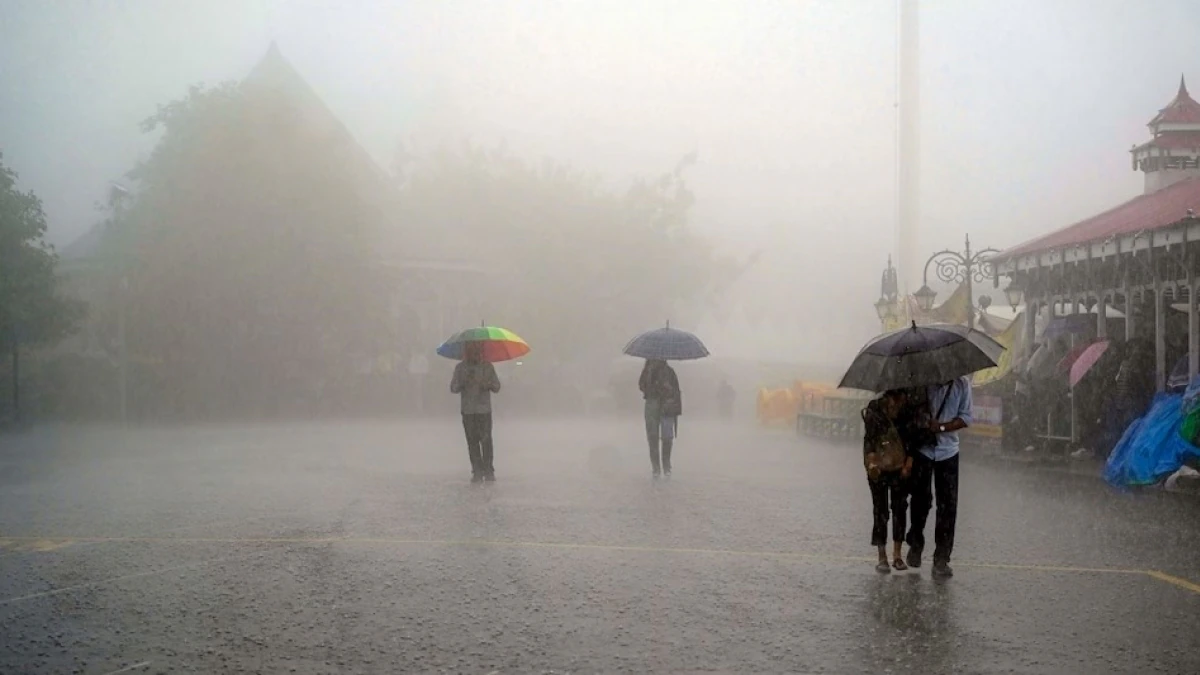
Kochi braces for a monsoon surge with sustained showers and sharp gusts through the weekend as a low‑pressure system over Jharkhand drives heavy rain type weather across Kerala. Today’s yellow alert anticipates vigorous gusts up to 50 km/h, while isolated downpours could affect travel, infrastructure, and daily life, aligning with national advisories. Continue reading for expert insight and city guidance on safety, sustainability, and preparedness.
Kerala’s monsoon narrative is shifting. Heavy rainfall warnings—now in place for districts including Kozhikode, Kannur, and Kasaragod—are compounded by a low‑pressure zone over Jharkhand, amplifying moisture flow into the state . Today, sightlines over Kochi are likely to remain cloud‑shrouded, with intermittent yet persistent showers, breezy spells, and surging surface winds. The implications are widespread. Transport systems must prepare for water‑logging and reduced visibility; ports and fishermen face cautionary limits due to squally winds reaching up to 50 km/h . Urban planners and civic agencies must ensure storm‑drains are unclogged, trees are monitored, and drainage clearances are unimplemented ahead of potential deluges.
While reservoir storages remain robust, IMD warns of below‑average rainfall in July—reflecting that this week’s downpours, though intense, fit a pattern of sporadic heavy showers rather than steady monsoonal rain. Therefore, urban resilience must focus less on quantity and more on managing intense, localized events. Environmental and sustainability frameworks align with this changing climate reality. Kochi’s drain systems should be evaluated to ensure they facilitate decentralised rainwater harvesting and green stormwater infrastructure—turning rain from risk into resource, encouraging both zero‑carbon urban strategy and equitable city design.
Citizens, particularly vulnerable communities in low‑lying or hill‑adjacent areas, should observe official advisories on lightning and landslide risks. This also highlights opportunity: community‑led monitoring and gender‑inclusive feedback channels can inform prompt local response. From an urban governance angle, resilience hinges on technology‑enabled communication, real‑time alerts, and civic‑agency coordination. As this week’s weather unfolds, Kochi has the chance to test its adaptive systems and infrastructure readiness at a critical scale.
In the days beyond—in particular from July 4 to 6—the IMD predicts continued cloud cover and scattered rainfall, banking on the low‑pressure system’s west‑northwest drift directing wet weather inland While the spectacle of monsoon arrives, this period tests citywide resilience—monitoring, preparedness, and sustainability in tandem. This weather pattern underscores an urgent pivot towards green urbanism. Cities like Kochi must integrate sustainable drainage, reinforce early‑warning systems, and prioritise equitable urban safety. As climate volatility increases, these trends signal a clear urban roadmap: resilience, equity, and sustainability are central to navigating monsoon challenges—and shaping a climate‑secure future.
Also Read : Maharashtra Minister Unmasks Underground Rapido Bikes Operating Illegally In City
