


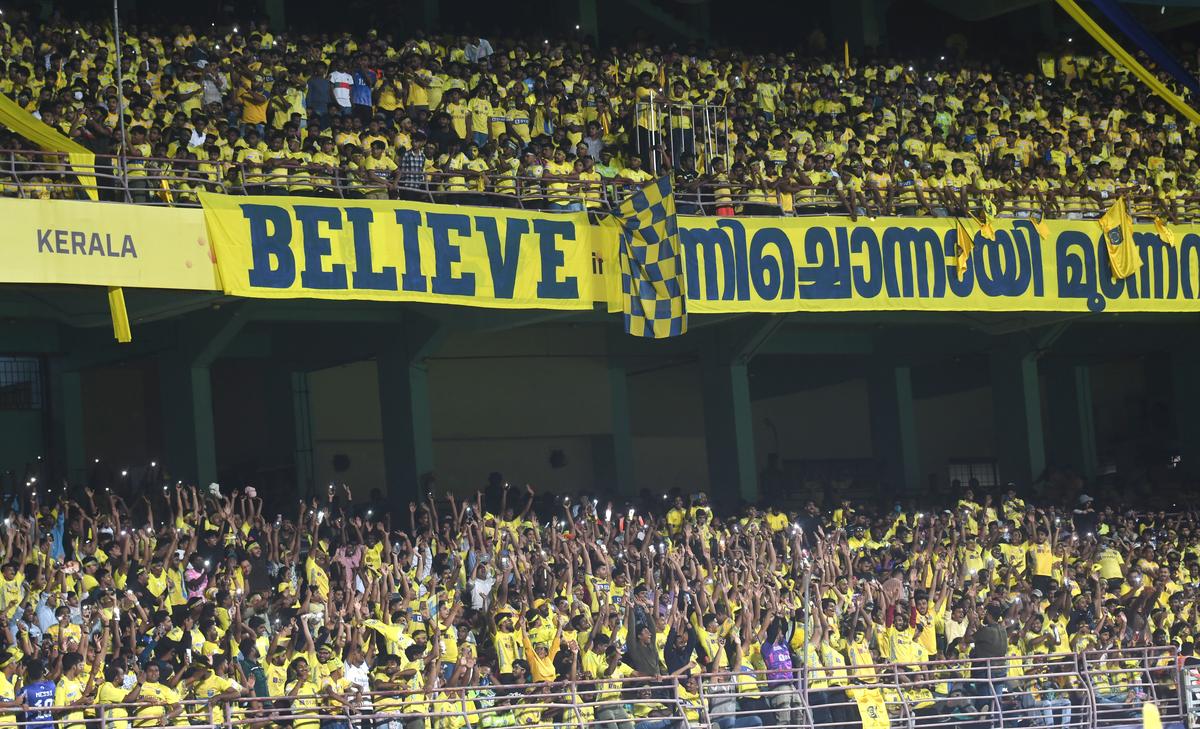
A last-minute dispute over stadium charges nearly forced the relocation of an Indian Super League fixture in Kochi, exposing governance gaps in how Indian cities manage public sports infrastructure. The standoff between Kerala Blasters FC and the stadium’s custodial authority was resolved hours before kickoff, but it has reignited debate on the financial sustainability of hosting professional sport in publicly owned venues.
The match was scheduled at the Jawaharlal Nehru International Stadium, the city’s largest multi-purpose arena and a landmark in its urban sporting landscape. However, access to the venue was briefly restricted following disagreements over revised rental terms and outstanding payments.Officials familiar with the negotiations said the club had previously been operating under a reduced match-day rental structure after raising concerns over escalating operational costs. In recent days, the custodial body reportedly sought to revise those terms and pressed for additional dues, leading to uncertainty over whether the fixture would proceed as planned.
The impasse also disrupted scheduled media activity ahead of the match, heightening anxiety among supporters. Kerala Blasters, one of the founding clubs of the Indian Super League, commands one of the league’s largest fan bases, with Kochi widely regarded as a football stronghold in southern India.Late-evening discussions involving state representatives and stadium authorities resulted in a temporary settlement. The club agreed to clear a negotiated amount within a stipulated timeframe, allowing the match to go ahead at the Kochi venue.
While the immediate crisis was defused, urban governance experts say the episode reflects deeper structural challenges in India’s sports infrastructure model. Many large stadiums are owned by development authorities or government bodies whose mandates span real estate management, event hosting and public finance recovery. This often results in pricing frameworks that fluctuate depending on fiscal pressures rather than long-term sporting partnerships.“Cities that aspire to position themselves as sporting destinations need predictable leasing policies,” said an urban economist tracking sports infrastructure. “When agreements are altered at short notice, it undermines investor confidence and fan engagement.”
The dispute also underscores the financial fragility of professional football in India. Clubs shoulder player salaries, broadcast obligations and operational logistics, while match-day revenue remains sensitive to attendance and sponsorship cycles. Rising venue rentals can significantly alter viability, especially in seasons already marked by inconsistent performance or commercial headwinds.From a city development perspective, stable tenancy arrangements are critical to maximising the social return on publicly funded infrastructure. Large stadiums require consistent programming — sports, cultural events and community engagement — to justify maintenance costs and reduce underutilisation.
Kochi’s urban planners have previously highlighted sport as a catalyst for tourism, hospitality and local enterprise. A breakdown in coordination between clubs and authorities risks weakening that ecosystem.For now, football will resume under the floodlights at Kaloor. Yet the episode leaves open questions about how Indian cities balance fiscal accountability with nurturing cultural institutions that anchor civic identity. Sustainable governance models, observers argue, will determine whether Kochi’s flagship stadium remains a long-term home for elite football or becomes a site of recurring uncertainty.
Also Read:Bengaluru Goa Vande Bharat Proposal Under Review
Kochi stadium dispute rattles ISL opener
