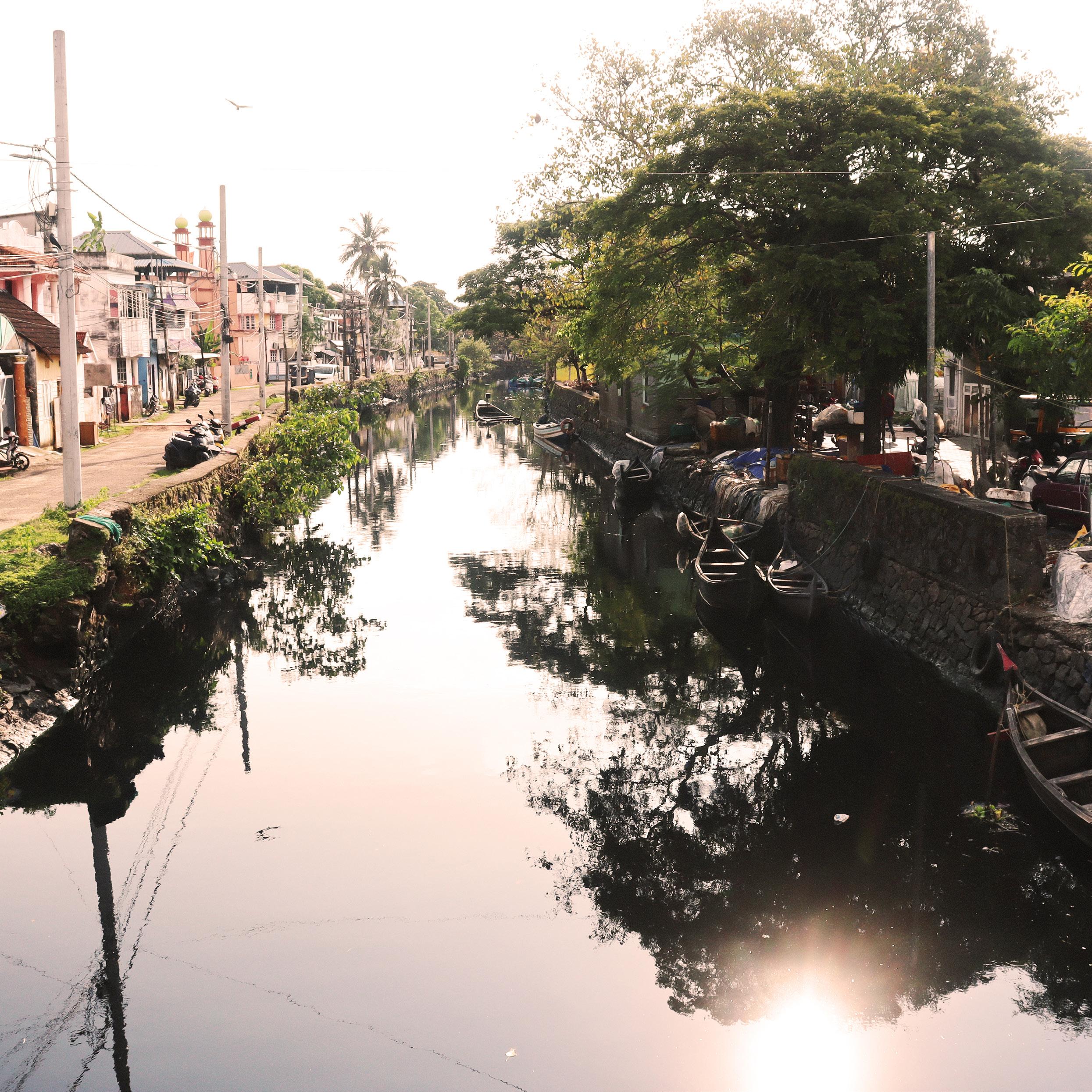
Kochi Sewage Treatment Project Faces Delay As Costs Rise Significantly
Kochi’s sewage treatment project under the Integrated Urban Regeneration and Water Transport System (IURWTS) has hit a fresh roadblock as costs escalate from Rs 1,300 crore to Rs 1,700 crore. The Kerala Water Authority (KWA) can only initiate tenders once the revised estimate receives government approval, delaying construction of the two planned sewage treatment plants at Elamkulam and Muttar. The project remains critical for improving sanitation and wastewater management across the city.
A senior KWA official explained that the cost increase stems from multiple factors. “The original sewerage estimate relied on the 2018 schedule of rates. With the 2021 schedule now applied, costs have risen. Additionally, the pipeline network will use higher-grade, more durable materials to ensure long-term performance,” the official said. This adjustment reflects a shift towards sustainable urban infrastructure, prioritising longevity and reduced environmental impact.Originally, Kochi Metro Rail Ltd (KMRL) was responsible for implementing the IURWTS. The government later divided the project: KWA now oversees the sewerage component, while KMRL manages canal rejuvenation. Despite reducing the number of STPs from earlier plans, total treatment capacity remains unchanged. KWA’s land at Elamkulam and KMRL’s acquisition at Muttar will support smoother construction, minimising delays due to land-related issues.
Once operational, the STPs are expected to treat sewage from most areas under the Kochi Corporation, excluding Willingdon Island and West Kochi, and cover parts of Kalamassery, Eloor, and Tripunithura municipalities. Urban planners emphasise that a fully functioning sewerage network is vital not only for public health but also for protecting waterways, reducing pollution, and supporting the city’s sustainable growth objectives.Progress on the canal rejuvenation component, however, remains slow. Survey and revenue departments must first identify and clear encroachments along targeted canals. “Without completing these preliminary steps, physical work cannot commence,” said a municipal official. Coordinating multi-departmental efforts is crucial to ensure that sewage treatment and waterway restoration proceed simultaneously, maximising long-term urban benefits.
The IURWTS delays highlight the broader challenges in executing large-scale urban infrastructure projects, particularly regarding cost escalation, material upgrades, and inter-agency coordination. Experts suggest that streamlining approvals, monitoring project milestones, and integrating sustainable design considerations can accelerate timelines. For Kochi, timely completion of these STPs is essential to improve sanitation, ensure environmental resilience, and advance the city’s goal of becoming a more sustainable, zero-carbon urban centre.