Facebook
Linkedin
X
Youtube
Urban News
MMR
NCR
Bangalore
Hyderabad
Chennai
Kolkata
Pune
Ahmedabad
Lucknow
Kochi
Mobility
EV-Ways
Rail-Ways
High-ways
Metro-Ways
Walk-Ways
Cab-Ways
Cycle-Ways
Water-Ways
Free-Ways
Freight-Ways
Infrastructure
Housing
Smart Cities
Ports & Shipping
Power And Energy
Airports
Railways
Logistics
Real Estate
Residential
Commercial
Lifestyle
Proptech
Brand Story
Architecture
Interiors
Sustainability
Water Management
Carbon Neutrality
Electric Vehicle Ecosystem
e-Fuel
Renewable Energy
Waste Management
Recycling
Urban Flood Management
Technology
H2O
Automation
Anti-Pollution
Smart Buildings
Smart Grids
Smart Sewage
Smart Streets
Urban Digitalisation
Waste Recycling
Water Technology
Innovation
Artificial Intelligence
AR & VR
BIM
3D Printing
Block Chain
Digital Twin
New Urbanism
Circular Economy
Urban Farming
De-Industrialising Polluting Sector
Sustainable Architecture
Sustainable Infra Architecture
Gender Neutral Architecture
Poverty Alleviation
Eco-Startup
ESG Tracker
CSR Diaries
Go-Green
Green Buildings
Green Energy
Green Fuel
Green Infra
Green Cement
Green Steel
Green Tiles
Green Roof
Green HVAC
Green Lighting
Search
ABOUT US
VISION 2030
CONCLAVES
EDITORIAL
REPORTS
VIDEOS
INTERVIEWS
OPINION
CONTACT US
Search
Facebook
Instagram
Linkedin
X
Youtube
Urban News
MMR
NCR
Bangalore
Hyderabad
Chennai
Kolkata
Pune
Ahmedabad
Lucknow
Kochi
Mobility
EV-Ways
Rail-Ways
High-ways
Metro-Ways
Walk-Ways
Cab-Ways
Cycle-Ways
Water-Ways
Free-Ways
Freight-Ways
Infrastructure
Housing
Smart Cities
Ports & Shipping
Power And Energy
Airports
Railways
Logistics
Real Estate
Residential
Commercial
Lifestyle
Proptech
Brand Story
Architecture
Interiors
Sustainability
Water Management
Carbon Neutrality
Electric Vehicle Ecosystem
e-Fuel
Renewable Energy
Waste Management
Recycling
Urban Flood Management
Technology
H2O
Automation
Anti-Pollution
Smart Buildings
Smart Grids
Smart Sewage
Smart Streets
Urban Digitalisation
Waste Recycling
Water Technology
Innovation
Artificial Intelligence
AR & VR
BIM
3D Printing
Block Chain
Digital Twin
New Urbanism
Circular Economy
Urban Farming
De-Industrialising Polluting Sector
Sustainable Architecture
Sustainable Infra Architecture
Gender Neutral Architecture
Poverty Alleviation
Eco-Startup
ESG Tracker
CSR Diaries
Go-Green
Green Buildings
Green Energy
Green Fuel
Green Infra
Green Cement
Green Steel
Green Tiles
Green Roof
Green HVAC
Green Lighting
Search
Home
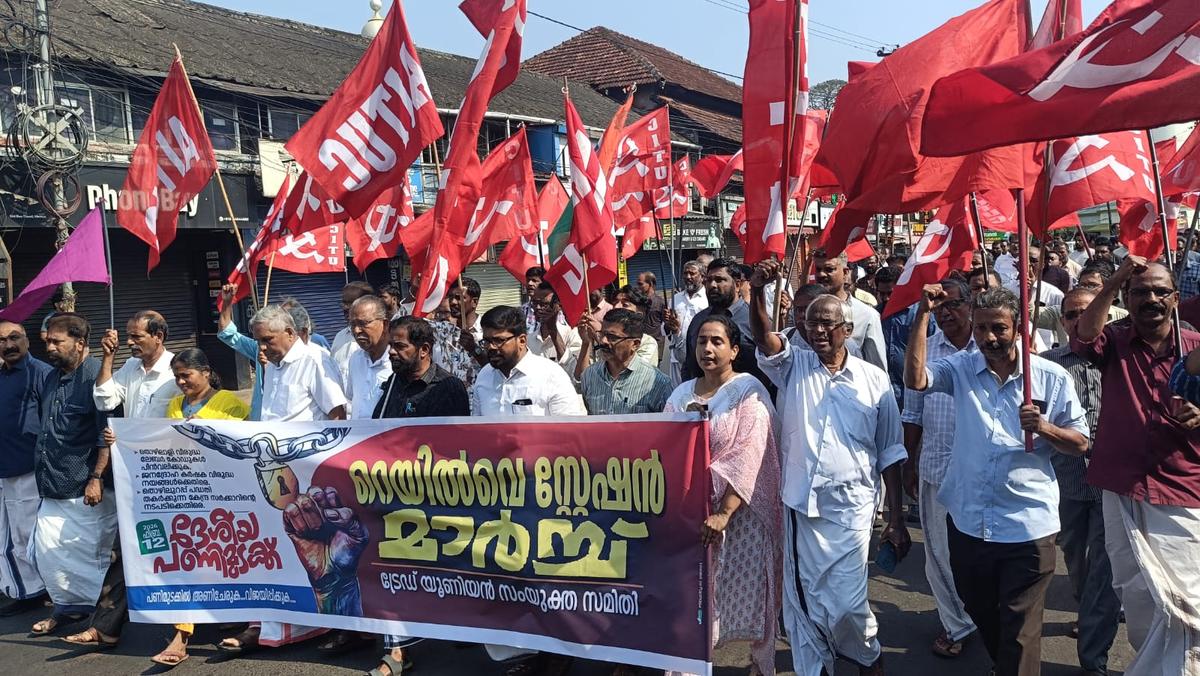
Kochi Sees Bharat Bandh Footfall Drop
Kochi Sees Bharat Bandh Footfall Drop
Kochi Sees Bharat Bandh Footfall Drop
- Advertisment -
Most Read
Jaipur Weather Turns Cloudy After Regional Storms
April 4, 2026
Jaipur Residential Areas Driving Growth In City Property Market
April 4, 2026
Gurugram Monsoon Preparedness Focuses On Drainage And Safety
April 4, 2026
Gurugram Road Sweeping Tender Delay Raises Civic Concerns
April 4, 2026