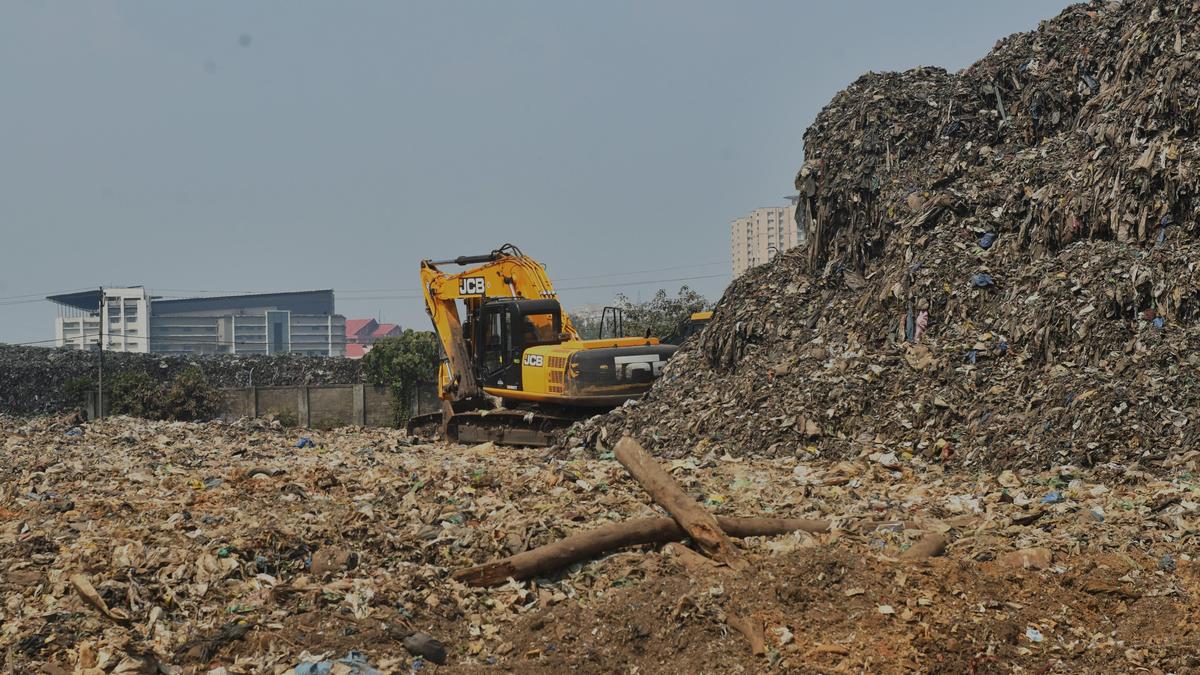
Kochi’s civic council has approved the restart of the biomedical waste incinerator at Brahmapuram following mounting complaints about medical waste being stored in residential areas and discarded in public spaces. The decision aims to restore regulated disposal capacity and prevent environmental and public health risks in Kerala’s commercial capital.
Officials confirmed that the corporation will temporarily fund diesel procurement for three months to enable operations at the facility. The move addresses an operational gap that had stalled the plant despite its completion. The Brahmapuram Biomedical Incinerator had earlier undergone trial runs but remained inactive due to disagreements over fuel costs and contractual responsibilities.Constructed by Regional Agro Industrial Development Co-operative of Kerala at an estimated cost of Rs 3.49 crore — inclusive of two years of operation and maintenance — the facility has the capacity to process up to three tonnes of biomedical waste per day. However, operators indicated that daily functioning requires approximately 450 litres of diesel, an expense not fully covered under the existing agreement.
The absence of clarity over recurring fuel expenditure created a bottleneck, even as biomedical waste generation rose across Kochi’s hospitals, clinics and diagnostic centres. Public health specialists warn that delays in treating such waste can increase risks of infection, groundwater contamination and vector proliferation — particularly in humid coastal environments.By enabling interim diesel procurement, the council has sought to stabilise operations while reviewing contractual terms. Civic officials indicated that amendments to the agreement are under consideration to prevent similar disruptions. Policy observers note that waste infrastructure projects often falter when lifecycle operational costs are underestimated at the planning stage.
The restart of the Brahmapuram Biomedical Incinerator is also linked to broader urban waste management reforms. Kochi has faced scrutiny over solid waste handling in recent years, and biomedical waste requires specialised processing distinct from municipal refuse. Ensuring uninterrupted incineration capacity is essential to meet public health regulations and environmental compliance standards.Environmental planners highlight that while incineration remains a widely used treatment method, long-term sustainability will depend on parallel efforts to reduce waste generation, improve segregation at source, and explore cleaner fuel alternatives. Transitioning to more energy-efficient or lower-emission systems could align biomedical waste management with climate resilience goals.
For now, restarting the plant is expected to ease immediate pressure on healthcare establishments and prevent unsafe dumping practices. As Kochi continues to expand as a healthcare and commercial hub, strengthening waste treatment infrastructure will remain critical to safeguarding both public health and urban liveability.
Also Read:Chennai Pilots Smart Mapping Of Urban Roads
Kochi Restarts Brahmapuram Biomedical Incinerator