


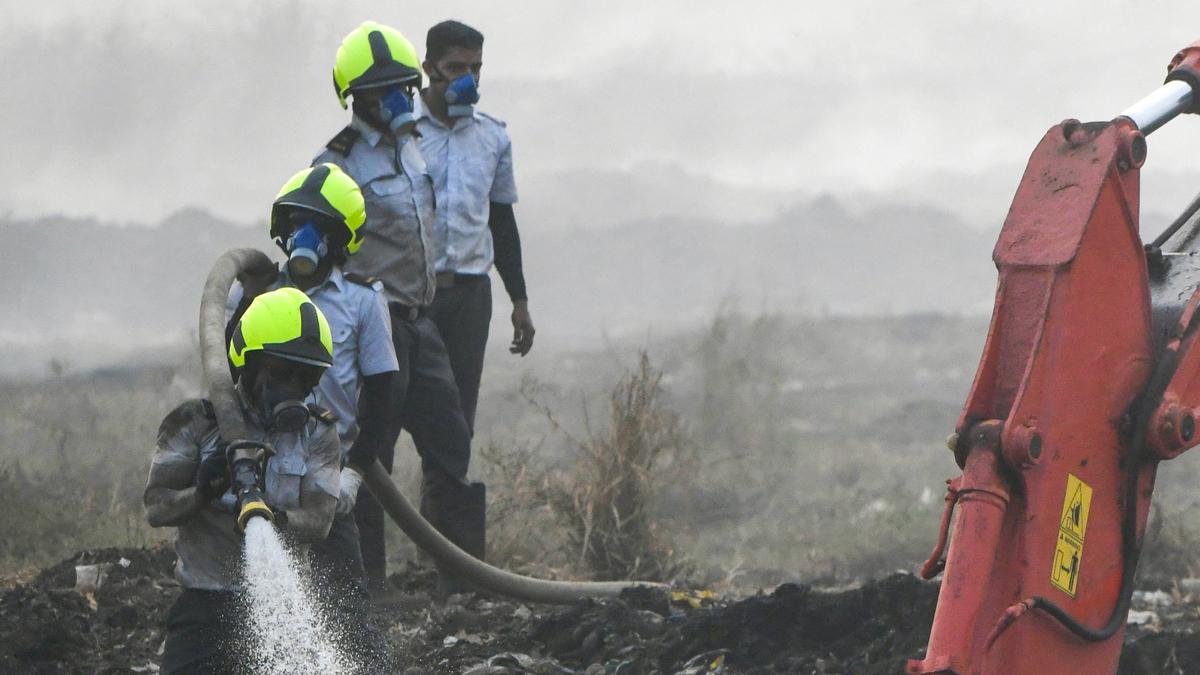
Kochi’s Left Democratic Front (LDF) has unveiled its civic election manifesto, placing waste management, mobility upgrades and public health at the centre of its pitch for the upcoming corporation polls. The coalition argues that a systems-focused approach to urban services is essential for a growing city struggling with legacy infrastructure gaps and environmental pressures.
According to party representatives, the manifesto seeks to reorient municipal investment towards cleaner streets, decentralised waste processing and the adoption of electric vehicles for community-level sanitation workers. Officials involved in drafting the plan said the aim is to move away from ad hoc waste handling and build reliable services capable of supporting a dense coastal city vulnerable to climate and public-health risks. The proposals include introducing dedicated vehicles for household waste collection, scaling up recycling to generate value-added products, and formalising neighbourhood-level waste operations. Urban experts note that such measures, if implemented effectively, could reduce Kochi’s reliance on large dumpsites and strengthen the city’s transition to a low-carbon waste ecosystem. Mobility receives equal emphasis. The manifesto outlines extensions of the Water Metro to underserved areas, a potential special-purpose vehicle for roll-on roll-off ferry operations, and electric buses in partnership with the state transport utility. Renovation of the Kaloor and Perumpadappu bus terminals, new multi-level parking structures and app-based parking systems have also been proposed.
A transport planner familiar with the discussions said these interventions could offer commuters cleaner, safer choices while easing congestion across key corridors. The document additionally prioritises the widening and improvement of several arterial roads, including stretches in Thammanam, Palluruthy and the Goshree–Mamangalam region. Analysts argue that improved last-mile connectivity remains crucial for Kochi, where fragmented networks routinely slow down economic activity and limit access to public services. In public health and food safety, the LDF proposes a 190 MLD drinking water plant to meet projected demand, alongside dedicated facilities to test food quality across the city. Hotels and eateries would be periodically graded on hygiene performance. Municipal observers say such grading could bring greater transparency to a sector central to Kochi’s tourism and services economy. The manifesto also sets aside space for cultural initiatives, including annual arts festivals, a proposed cultural museum and programmes designed to engage linguistic minorities, residents’ groups and people with disabilities. Party leaders positioned these initiatives as investments in social cohesion at a time when Indian cities are being challenged to become more inclusive and community-oriented.
Several ongoing initiatives—including canal restoration, beach-cleaning drives and the modernisation of slaughterhouses—are expected to continue. New ideas such as discount-linked food markets, a city gas network and a proposed Marine Drive extension have been added to the long-term pipeline. For Kochi’s residents, the manifesto signals a push to build a cleaner, safer and more equitable urban environment. Whether these ambitions translate into sustained delivery will depend on consistent funding, stronger civic participation and coordination across multiple city agencies—requirements increasingly seen as essential for any Indian city seeking a resilient, low-carbon future.
Also Read : https://urbanacres.in/kochi-stadium-upgrade-deadline-extended-to-december/
Kochi Plans Major Upgrades In Waste Systems
