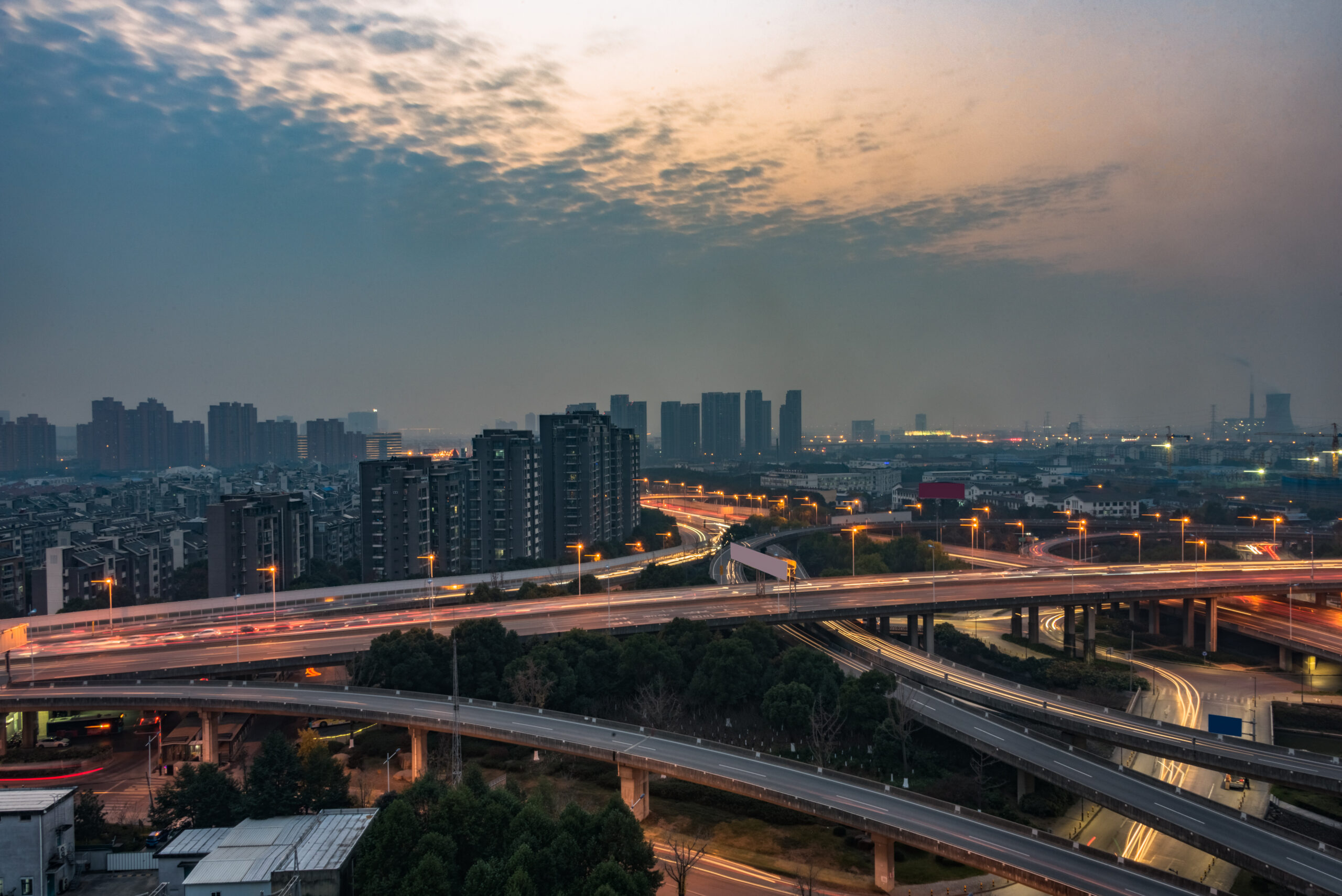
Vyttila Junction, Kerala’s busiest traffic node, may soon see one of the tallest elevated highways in the state, with plans under consideration to build a 32-metre-high road above the Kochi Metro viaduct. The proposal, currently under review by the National Highways Authority of India (NHAI), forms part of the ongoing six-laning of National Highway 66. If approved, the structure will rise above the existing Metro line and run parallel to the Kundanoor flyover, creating a multi-layered traffic corridor in the heart of the city.
Officials close to the project acknowledge the technical challenges and the substantial investment involved but emphasise that congestion at Vyttila leaves no alternative. The Edappally–Vyttila–Aroor stretch of NH 66 carries over one lakh passenger car units daily, the highest vehicular load in Kerala. Engineers conclude that only a high-rise elevated highway can absorb such volumes while accommodating the Metro alignment already in place.
This model of construction—elevated highway above a Metro viaduct—was first explored in Kochi at Palarivattom and later in Edappally, though those alignments were dropped in favour of underpasses. Vyttila, however, has emerged as a unique case where space constraints and rising traffic density leave vertical expansion as the only feasible option. The corridor’s importance extends beyond local commutes. It connects directly to the proposed Angamaly–Kundannur bypass, the Kochi–Theni highway and the Willingdon Island link, making it a strategic logistics hub. With the Kodungallur–Edappally corridor and the Aroor–Thuravoor elevated highway nearing completion by 2025, traffic is expected to intensify, reinforcing the urgency of a high-capacity solution at Vyttila.
Urban transport experts note that while such infrastructure demonstrates engineering ambition, the long-term sustainability of high-rise highways must be carefully assessed. They argue that every new road investment should also be weighed against non-motorised mobility, last-mile connectivity and public transport integration to reduce the city’s carbon load. Building higher roads, they caution, should not come at the cost of ecological sensitivity or climate resilience. Local residents and commuters remain divided. For many, the elevated corridor promises relief from hours of gridlock that have become routine in Kochi’s daily life. Others worry about the social and environmental footprint of a structure towering above 32 metres in a densely built urban space. The project is also expected to escalate costs significantly, raising questions about financial prudence and the potential diversion of funds from other mobility solutions.
The revised alignment report has already been submitted to the NHAI’s Kochi office and is set to be forwarded for central clearance before detailed project reports are drawn. Officials insist that while construction will be complex, the engineering feat is necessary to sustain mobility in Kerala’s commercial capital. For now, Kochi waits to see whether the capital-intensive plan will move from blueprint to reality, balancing the city’s need for decongestion with the larger imperative of building sustainable and inclusive urban transport systems.