Kochi Needs Urgent Action On Transport And Mosquito Menace
Kochi’s rapid urban expansion is raising serious concerns about residents’ quality of life, with experts warning that the city could soon become difficult to navigate outdoors due to worsening traffic congestion and an escalating mosquito problem. The observations surfaced at “Nalathe Kochi,” a recent dialogue on the city’s development organised by a civil society collective, where participants called for immediate corrective strategies to secure Kochi’s long-term urban wellbeing.
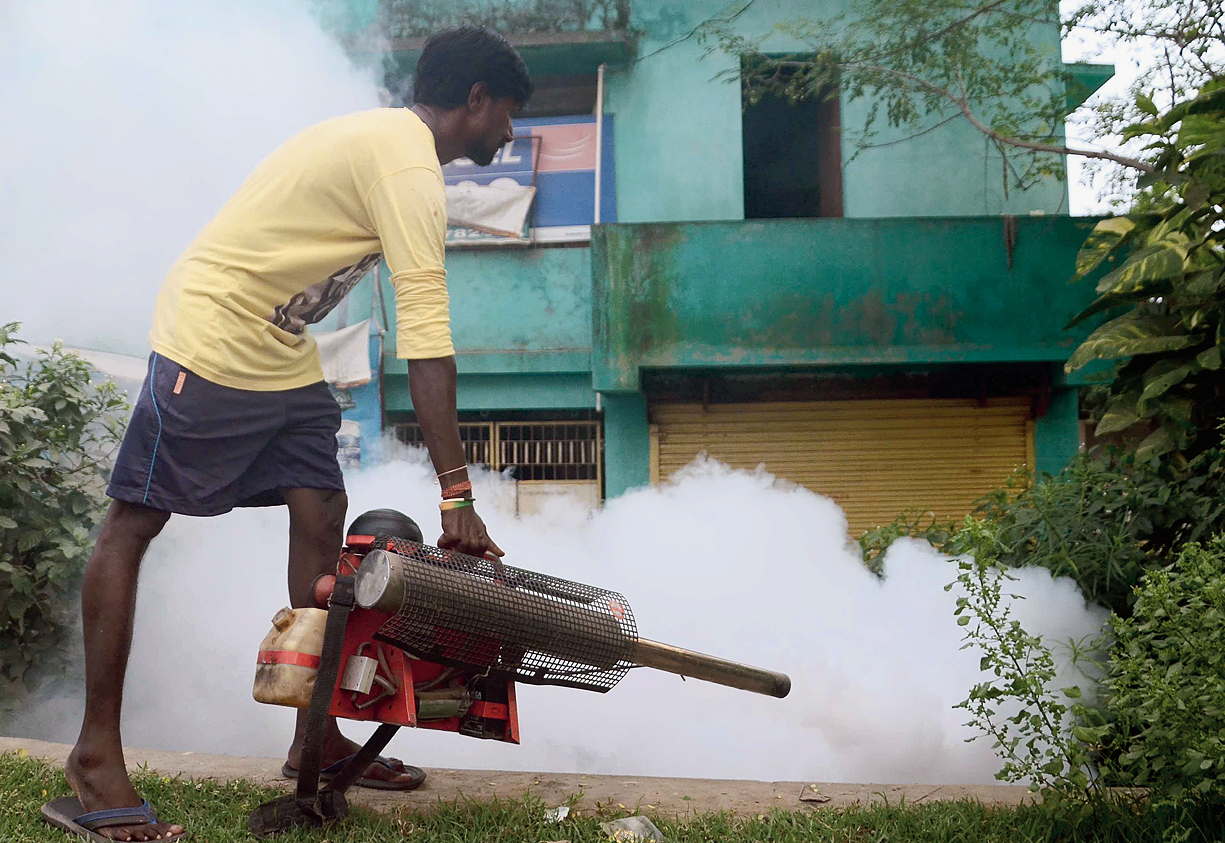
According to planners and researchers present at the event, the southern metro has made consistent economic progress but lacks the public infrastructure required to support its growing population. The conversation highlighted that Kochi’s existing development model is not sufficiently focused on health, mobility, or inclusivity, leaving significant gaps in social needs such as healthcare access, elderly-friendly planning and safe recreational spaces. A mental health specialist noted that evenings usually prime hours for social interaction have become increasingly inaccessible for residents due to the mosquito menace. “People, especially seniors, feel discouraged from stepping outdoors,” the speaker said, pointing out the potential psychological toll of restricted social movement.
Urban policy experts echoed those concerns, emphasising that the city’s shortage of open spaces is deepening the problem. A sustainability researcher argued that public spaces are not a luxury but essential social infrastructure, enabling interaction across age groups and economic backgrounds. Without them, cities tend to become exclusive and uneven, particularly for youth, senior citizens and low-income communities. Traffic congestion formed the second big worry in the discussion. With private vehicle dependence increasing rapidly, participants stressed the need for a diversified mobility strategy. A management expert suggested that enabling smooth water transport through canal restoration could ease road traffic while improving ecological conditions and reducing mosquito breeding a multipronged solution aligned with sustainable urban principles. Transport advocates also warned that delays in strengthening public mobility networks could have long-term economic effects, from reduced workforce productivity to declining liveability scores for the real estate and tourism sectors. For a city aspiring to attract talent and investment, efficient and inclusive transport was described as a non-negotiable priority.
While the discussion did not prescribe a single framework, it pointed towards a consensus: Kochi requires a planning approach that integrates environmental management, mobility, accessible public health systems, and equitable public spaces. Experts argued that cities preparing for the future must address social and ecological challenges with the same urgency as infrastructure growth. If taken seriously, the suggestions from the forum could steer Kochi towards a more liveable, inclusive and climate-resilient future. Whether the momentum translates into policy action will determine how comfortably and sustainably Kochi’s citizens live in the years ahead.
Kochi Needs Urgent Action On Transport And Mosquito Menace