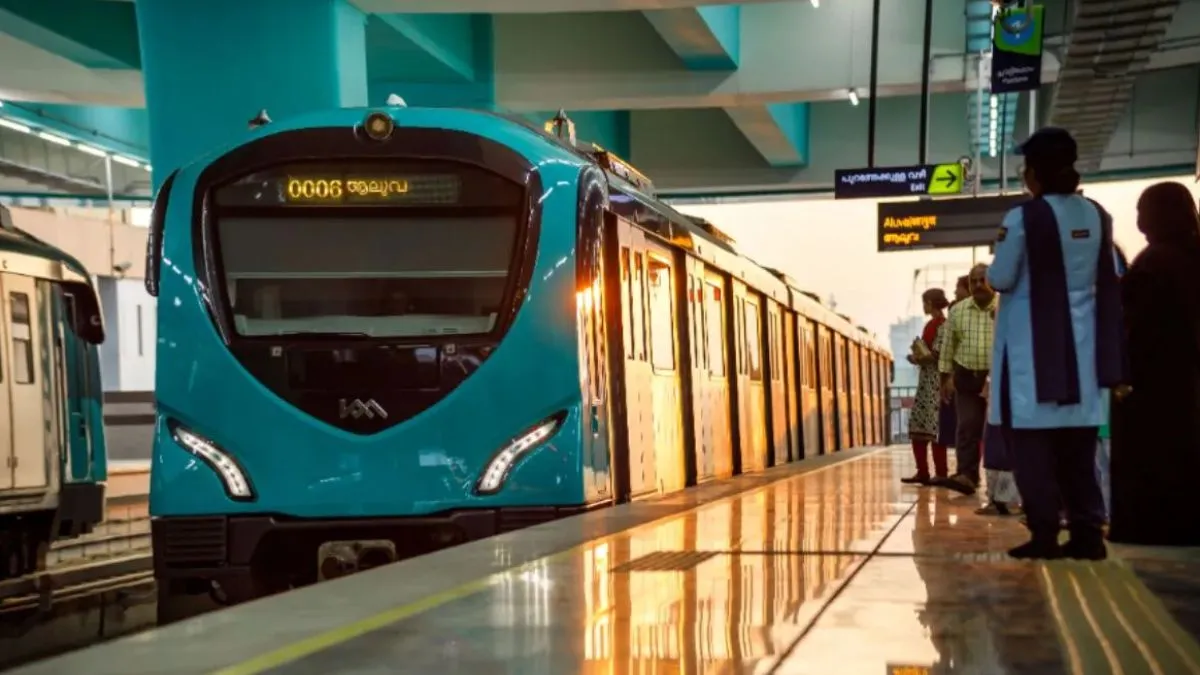
Kochi Metro to Launch Freight Services During Non Peak Hours
Kochi Metro Rail Limited (KMRL) is set to introduce dedicated freight services on its network, following the successful example of Delhi Metro Rail Corporation (DMRC). The initiative aligns with the Central Government’s directive to operationalise cargo transport across metro systems nationwide, aiming to improve urban logistics while ensuring minimal disruption to passenger transit.
The new cargo service will operate during non-peak hours, specifically designed to transport non-perishable, packaged goods efficiently. Officials have emphasised that passenger convenience remains a priority, with the freight operations scheduled to avoid interference with regular commuter services. This move is expected to create a sustainable revenue stream for KMRL and significantly aid Kochi’s business community by expediting citywide goods transportation.
Urban mobility experts highlight that integrating freight services within metro networks addresses multiple challenges simultaneously. By leveraging existing metro infrastructure, cities can reduce road congestion, minimise vehicular emissions, and create eco-friendly transport solutions. “Metro networks possess untapped capacity that can be effectively utilised for cargo operations, contributing both to urban sustainability and operational revenue,” an official from KMRL stated.
The Kochi Metro’s cargo framework will closely follow the model adopted by DMRC, which in March signed a memorandum of understanding with a leading logistics partner to enable urban freight transport. Lessons learned from Delhi’s initiative will inform operational planning in Kochi, including safety protocols, scheduling, and cargo handling practices. Additionally, DMRC has shared insights from international peers, such as Madrid Metro, where pilot projects for parcel transport have successfully reduced road traffic and pollution levels in the city.
Analysts suggest that metro freight services could redefine urban logistics in India. Traditionally reliant on road networks, businesses face delays due to traffic congestion and rising transportation costs. The introduction of metro-based cargo operations offers a faster, more predictable alternative, especially for small and medium enterprises seeking timely deliveries within city limits.
While some critics raise concerns about the feasibility of large-scale cargo operations on urban metro systems, officials insist that phased implementation and strict adherence to non-peak scheduling will maintain service quality. If successful, Kochi Metro could serve as a model for other Indian cities looking to integrate passenger and freight services sustainably.Kochi Metro’s freight initiative represents a step toward zero-carbon, eco-conscious urban development, combining operational efficiency with environmental responsibility. Its success may signal a broader shift in India’s approach to smart city logistics, where metro networks become critical arteries for both commuters and cargo.