


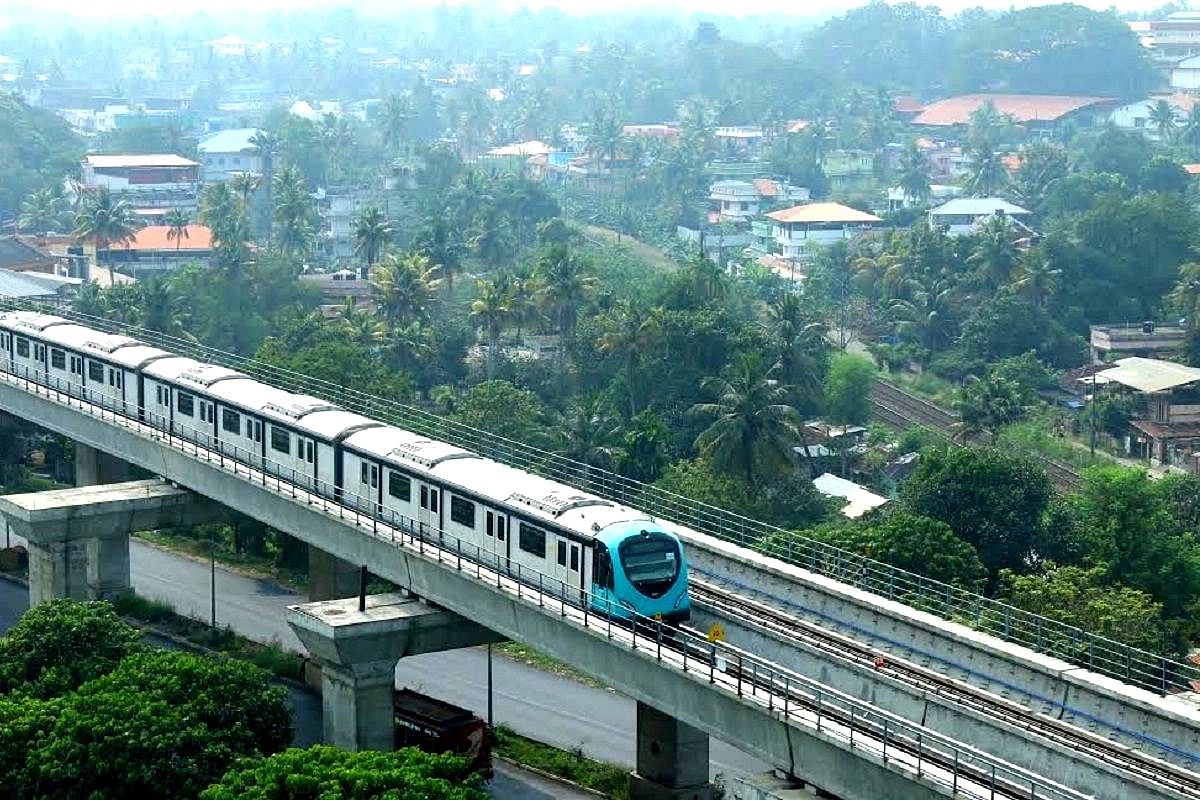
Kochi Metro Rail Limited (KMRL) has finalised major contracts for escalator and elevator systems on its Phase 2 extension, a move signalling accelerated emphasis on accessibility and operational readiness for the city’s next rapid transit corridor. The agreements, formalised through Letters of Acceptance (LoAs), underscore Kochi’s commitment to inclusive, resilient urban mobility as the Pink Line extension connects central hubs with the Infopark technology district. The recently awarded contracts cover the design, manufacture, installation, testing and commissioning of heavy-duty escalators and elevators across the upcoming section, which spans more than 11 km from Jawaharlal Nehru Stadium to Infopark with 11 planned stations. Industry bidders were assessed through a multi-stage tender process, with escalator and elevator packages priced competitively and evaluated on technical compliance and financial viability.
For the escalator works, a leading equipment provider emerged as the lowest financial bidder, ensuring cost-effective delivery of vertical conveyance systems tailored for high passenger flows. A separate specialist lift manufacturer secured the elevators contract on a competitive bid that outlined installation of modern, machine-room-less lift units capable of handling peak commuter volumes. Urban mobility planners argue that robust escalator and elevator infrastructure is essential for equitable access across user groups, especially those with reduced mobility, parents with strollers, and older residents. Inclusive design principles in mass transit systems not only improve everyday usability but are increasingly tied to broader sustainability and climate resilience goals by reducing private vehicle dependence. Experts suggest that well-integrated vertical circulation enhances station throughput and commuter satisfaction, particularly in transit oriented urban corridors.
Beyond functional accessibility, these contracts are a bellwether for Phase 2’s broader construction trajectory. KMRL is under pressure to meet revised deadlines after earlier delays tied to utility relocations and funding cycles; state contributions were recently adjusted to maintain momentum on core civil works. By locking in key systems contracts, the agency signals confidence in advancing towards full operational readiness. Economic analysts observe that infrastructure contracts of this nature have multiplier effects on local supply chains and manufacturing segments. Domestic production of escalator and elevator components, where feasible, supports the government’s ‘Make in India’ thrust and generates skilled employment opportunities across installation and maintenance cycles.
Nevertheless, industry insiders caution that procurement is only one piece of the execution puzzle. Factory lead times, supply chain bottlenecks, and on-site integration with power, safety and signalling systems will define project delivery performance in the months ahead. For Kochi’s wider urban fabric, investment in mobility infrastructure resonates with strategic goals of reducing carbon emissions and bridging socio-spatial divides. As the Phase 2 extension inches closer to completion, prioritising accessible, safe and sustainable transport options remains central to the city’s vision of equitable growth and liveable futures.
Also Read: Mumbai Metro Station Named After Roswalt Realty
Kochi Metro Signs Major Escalator Elevator Deal
