


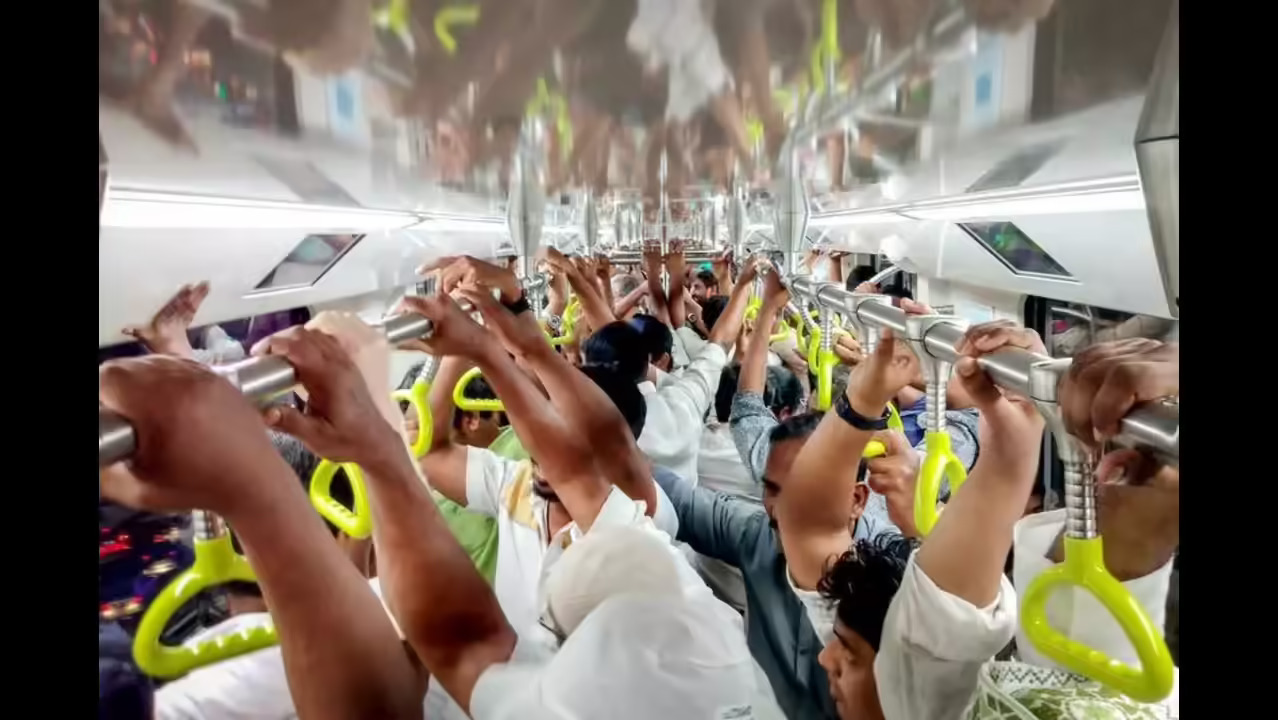
The Kochi Metro witnessed a notable surge in daily ridership on Tuesday as private bus operators across Kerala observed a one-day token strike, fundamentally altering the city’s commuting landscape. The urban rail network successfully catered to 97,351 passengers by 6 PM on Tuesday, a significant increase from the 83,943 riders recorded during the same period on Monday. This immediate shift towards the metro during a public transport disruption underscores the critical role modern, sustainable transit systems play in ensuring urban resilience and equitable access to mobility, especially in a rapidly growing metropolitan area like Kochi.
The additional 13,408 commuters choosing the metro on Tuesday, as reported by Kochi Metro Rail Limited (KMRL) authorities, points to the metro’s burgeoning importance as a reliable backbone for public transportation. This spike in patronage extended beyond the main metro lines, with metro feeder buses also experiencing a marked increase in passenger volume. This integrated approach to urban mobility, combining rail with feeder services, is crucial for fostering zero net carbon and eco-friendly transportation networks that can effectively serve a diverse urban population.
Despite the general increase in metro usage, the Kochi Water Metro recorded a slight dip in passenger numbers compared to its usual operations. This nuanced response highlights varying commuter preferences and the differing roles each mode plays within the city’s multi-modal transport strategy. Understanding these dynamics is essential for urban planners aiming to create comprehensive, gender-neutral, and accessible transit solutions that cater to all segments of society and diverse travel patterns.
The morning peak hours, specifically from 6:30 AM to 7:30 AM and again from 8:00 AM to 10:00 AM, saw a heavy influx of commuters. Despite the sudden increase in demand, the KMRL managed to accommodate the ridership with its existing fleet, though preparations included keeping additional coaches on standby. This operational agility demonstrates the metro’s capacity to absorb unexpected surges in demand, a vital attribute for maintaining public confidence in mass transit systems during periods of disruption.
The private bus operators’ decision to go on a token strike stemmed from the failure of their talks with the state transport authorities on Monday. Key demands, including the contentious issue of allocating long-distance permits (exceeding 140 kilometres) and revision of student concession rates, were rejected by the government. The strike resulted in nearly 10,000 private buses remaining off the roads across Kerala, causing widespread inconvenience and highlighting the fragility of relying predominantly on private transport operators for essential public services.
In response to the statewide disruption, the Kerala State Road Transport Corporation (KSRTC) attempted to mitigate the impact by operating additional services. For instance, the Ernakulam depot deployed five extra services during peak hours. However, the sheer scale of the private bus strike meant these additional KSRTC services proved largely inadequate in filling the void left by the absence of thousands of private buses. This scenario underscores the urgent need for a more robust and comprehensive public sector transport infrastructure that can provide reliable alternatives, especially during unforeseen disruptions.
The ripple effects of the strike extended beyond public transport, leading to significant traffic congestion at key city junctions such as Edappally. An increased number of private vehicles and app-based ride-hailing services flooded the roads as commuters sought alternative ways to reach their destinations. While these alternatives offer temporary relief, they contribute to higher vehicular emissions and exacerbate traffic snarls, moving away from the vision of eco-friendly cities. The incident reaffirms the long-term benefit of robust public transport systems in reducing carbon footprint and urban gridlock.
The daily average ridership of Kochi Metro has consistently inched closer to the one-lakh mark, indicating a growing preference for the metro as a primary mode of transport among city residents. This trend towards sustainable public transport is crucial for Kochi’s aspirations as a green and equitable city, where reliance on private vehicles is minimised. While a nationwide general strike on Wednesday is expected to impact metro operations with a revised holiday schedule, Tuesday’s events vividly demonstrated the indispensability of the metro in maintaining urban functionality and providing a sustainable, accessible transit option for all citizens. This incident serves as a compelling case for continued investment in integrated, sustainable public transport solutions to build resilient and future-ready cities.
Also Read :New Delhi unveils green tech transport overhaul with hyperloop ropeways electric buses
