


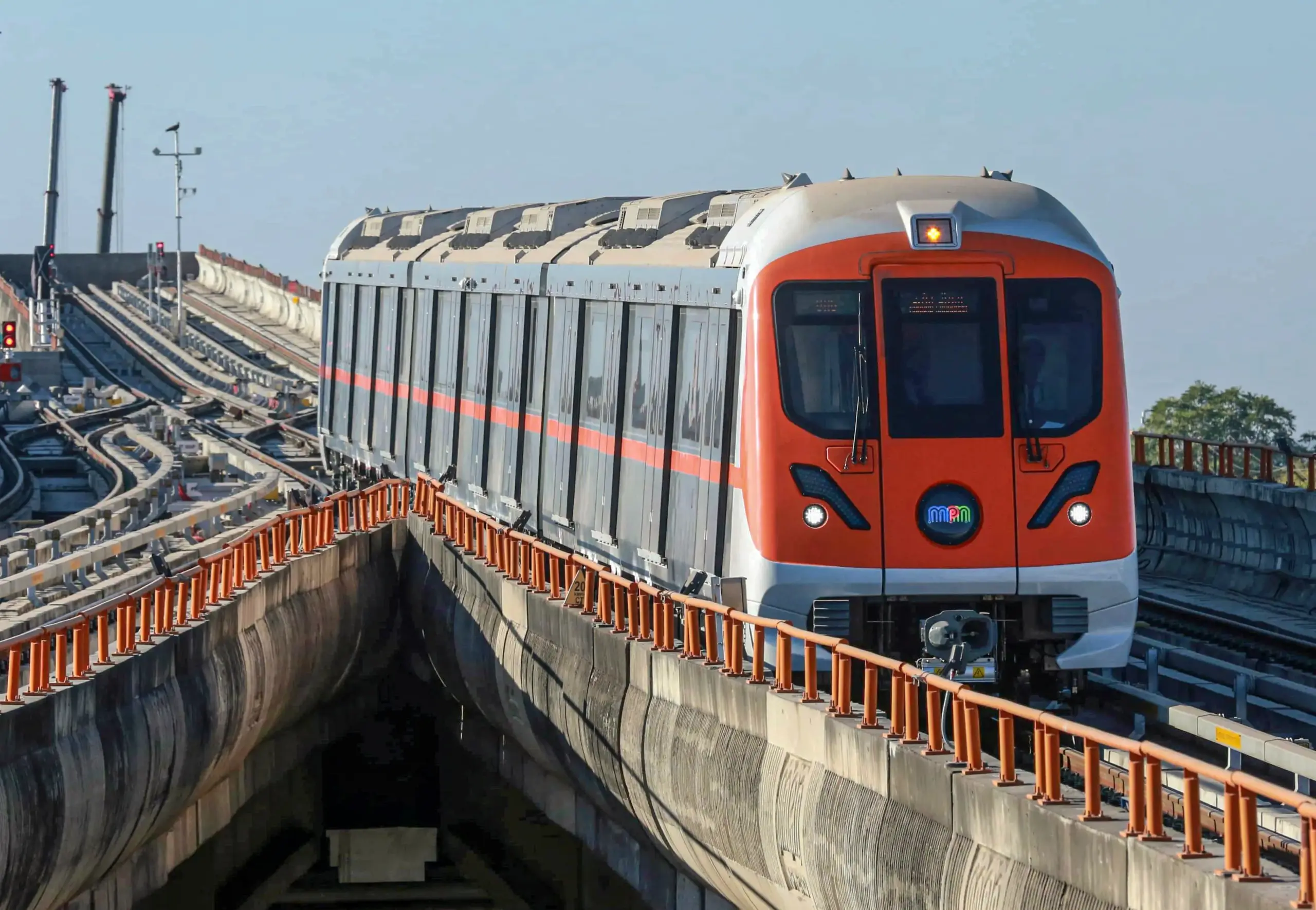
Kochi’s mass rapid transit network is preparing for its next growth phase, with civil and electrical works planned to progress along the Phase Two corridor linking the central city with eastern neighbourhoods by 2026. The expansion marks a critical step in addressing rising travel demand, reducing road congestion and supporting compact, transit-oriented development in one of southern India’s fastest-urbanising coastal cities.
The Phase Two alignment, stretching from the existing terminal near the city’s sports and event district to a rapidly developing residential and institutional zone in the east, is designed to extend high-capacity public transport into areas currently dependent on private vehicles and buses. Transport officials overseeing the project indicate that foundational civil structures, track systems and power infrastructure are being sequenced to ensure integration with the operational metro network without prolonged service disruptions. Urban planners view the corridor as strategically important for Kochi’s long-term spatial balance. The eastern suburbs have seen accelerated real estate growth over the past decade, driven by educational campuses, healthcare facilities and technology-linked offices. However, limited mass transit access has strained arterial roads and increased commute times. The metro extension is expected to anchor denser, mixed-use development around stations, aligning with national goals of reducing urban sprawl and lowering per-capita emissions.
From an economic perspective, infrastructure analysts note that metro construction typically generates layered benefits. In the short term, it supports jobs across construction, engineering and allied services. Over the medium term, improved accessibility can unlock land value appreciation, encourage formal commercial investment and stabilise residential demand along the corridor. Developers and institutional investors are already tracking station locations as indicators of future commercial viability, according to property market observers. Environmental resilience remains a central consideration in the project’s design. Kochi’s vulnerability to flooding and extreme rainfall has underscored the need for climate-responsive infrastructure. Engineers involved in the planning process say elevated structures, drainage integration and energy-efficient systems are being prioritised to reduce operational risk. The use of electric traction and regenerative braking is expected to contribute to lower lifecycle emissions compared to road-based transport alternatives.
Social equity is another dimension shaping the expansion. Transport economists point out that extending reliable metro services into peripheral neighbourhoods can significantly improve access to jobs and education, particularly for women and lower-income commuters who rely heavily on public transport. Seamless interchange with buses and non-motorised transport is seen as essential to maximise ridership and ensure the metro functions as a people-first mobility system rather than a standalone asset. As the project advances toward its 2026 milestone, attention will turn to execution discipline, funding flows and coordination with municipal agencies. For Kochi, the success of Phase Two will not be measured solely by kilometres added, but by how effectively the metro reshapes travel behaviour, supports sustainable real estate growth and strengthens the city’s resilience as urban pressures intensify.
Also Read: Ahmedabad Bullet Train Project Advances With Steel Bridge
Kochi Metro Phase Two Targets 2026 Operations
