


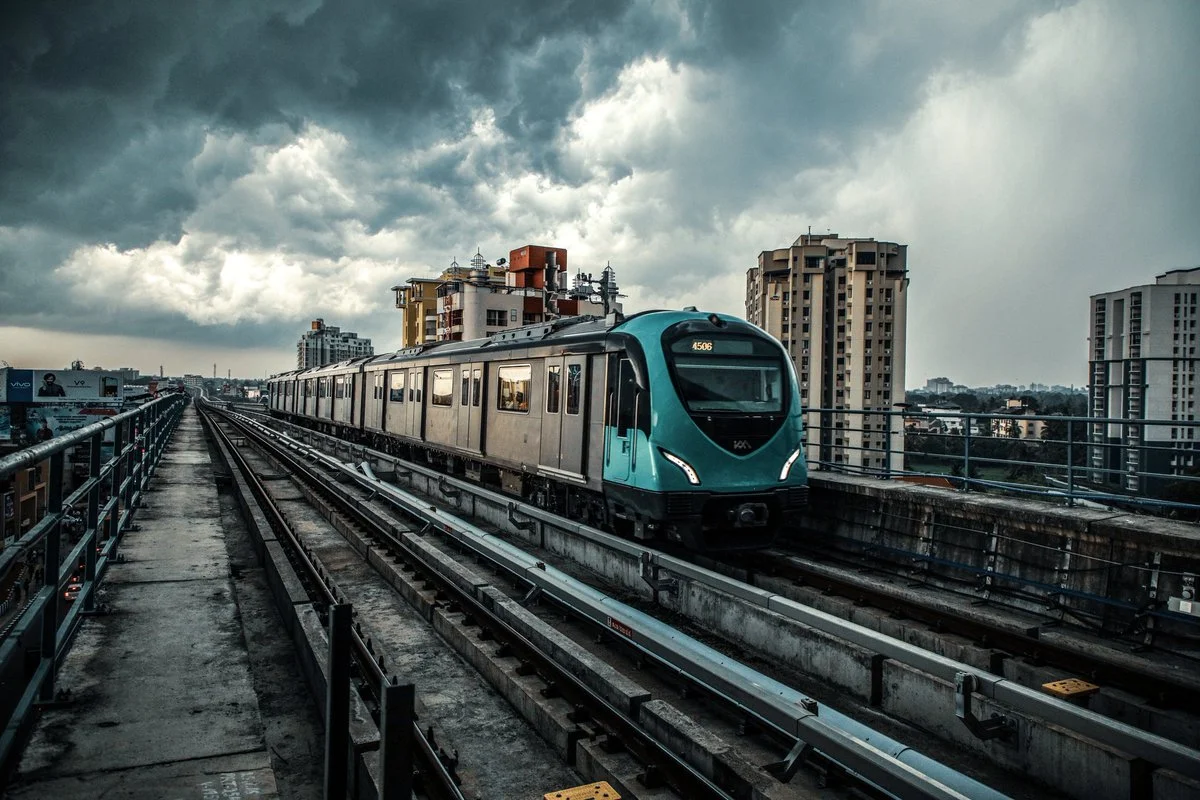
Kochi Metro is advancing its Phase 2 expansion with authorities inviting bids for completing entry and exit facilities at Civil Station Junction and Cochin SEZ Metro Station. The initiative forms part of the 11.2-km Pink Line corridor, which will feature 11 stations linking JLN Stadium to Infopark II. Officials highlighted that the work is crucial to improve commuter accessibility, reduce road congestion, and strengthen sustainable urban mobility across the city.
The tender, valued at Rs 1.99 billion, focuses exclusively on station access infrastructure, leaving architectural and internal building services for separate contracts. According to official documents, a pre-bid meeting is scheduled for 22 August 2025, with submissions opening on 1 September and closing on 8 September 2025. Authorities expect the first section of Phase 2 to be operational by June 2026, marking a significant milestone in Kochi’s integrated transport strategy. Urban transport experts emphasise that Phase 2 represents a critical extension of Kochi Metro, connecting residential and commercial hubs to IT and business districts. By prioritising station access, officials aim to enhance commuter convenience, promote last-mile connectivity, and facilitate smoother pedestrian movement around key metro nodes. The Civil Station Junction and Cochin SEZ stations, in particular, are expected to serve heavy passenger traffic and integrate seamlessly with surrounding urban infrastructure.
Phase 2 of the Pink Line is seen as central to Kochi’s broader objective of creating a climate-friendly, low-carbon urban transport network. Officials point out that the metro corridor will help shift commuters from road-based travel to rail, thereby reducing vehicular emissions, traffic congestion, and associated environmental impacts. Analysts note that extending the metro to Infopark II will benefit IT professionals and daily commuters alike, ensuring equitable access to modern, reliable public transport. KMRL officials also highlighted that the project aligns with sustainable urban growth principles, with station designs expected to incorporate eco-friendly materials, energy-efficient lighting, and pedestrian-friendly approaches. Experts suggest that these measures, combined with integrated last-mile solutions, could serve as a benchmark for future metro expansions in other Indian cities pursuing zero-carbon urban mobility.
The ongoing development of Kochi Metro Phase 2 underscores the city’s commitment to creating an inclusive, accessible, and future-ready public transport network. Authorities stress that once completed, the corridor will not only enhance mobility but also improve the city’s urban environment, offering residents a safer, greener, and more efficient commuting option.
Also Read : Maharashtra Clears Metro Rail And Road Projects Worth Thousands Of Crores
