


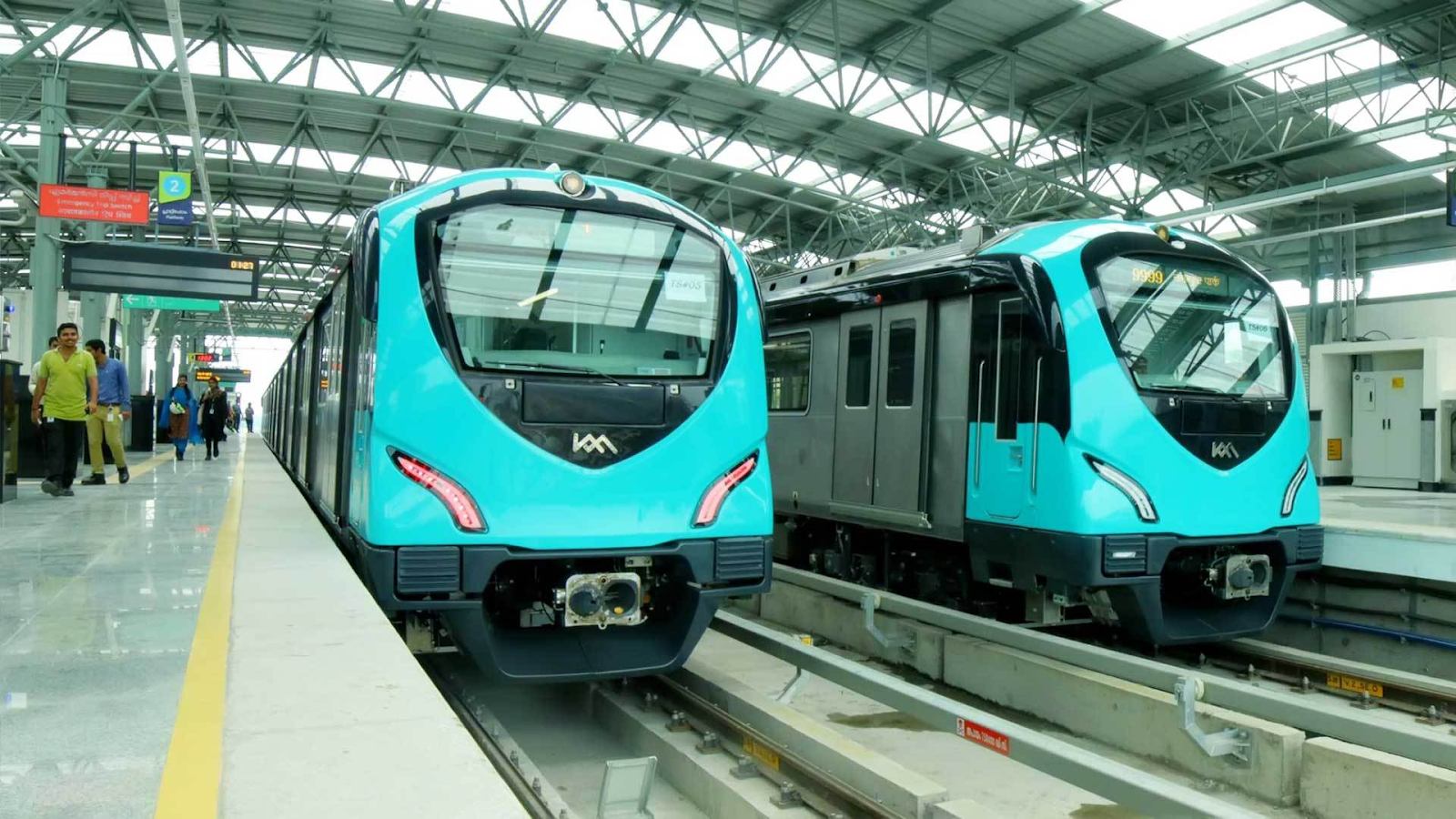
Kochi’s metropolitan transport authority has entered into a research collaboration with a premier Bengaluru-based science and technology university to tackle pressing challenges in sustainable urban mobility. The memorandum of understanding (MoU) formalises a partnership that blends practical transit experience with advanced analytical research, signalling a strategic effort to harness data-driven insights for more resilient, low-carbon public transport systems. This alignment matters for cities grappling with congestion, accessibility gaps and climate imperatives that demand smarter mobility solutions.
Under the agreement, the Kochi transport agency will work with academic researchers to co-develop analytical frameworks and decision-support tools tailored to multimodal transport networks. These include metro rail, water-based transit and last-mile connectivity systems. The collaboration explicitly targets the integration of emerging technologies — such as artificial intelligence, simulation modelling and Internet of Things platforms — into transport planning and operations, offering urban managers new capacities to model and respond to dynamic travel patterns and demand. Urban transport analysts highlight that data-driven research partnerships are increasingly crucial as cities transition from traditional planning to evidence-based strategies. Mobility systems generate vast real-time and historical data, but translating that into actionable policy requires specialised analytical capabilities often embedded within research institutions. By tapping into these competencies, city transport authorities can anticipate congestion hotspots, optimise route planning and devise interventions that reduce both travel time and carbon emissions.
For Kochi, the partnership emerges against a backdrop of ambitious urban mobility investments. Expansion of the metro network, integration with water transport and feeder modes, and efforts to balance rapid urbanisation with environmental stewardship remain central to the city’s growth strategy. A research collaboration underscores the notion that infrastructure must be complemented by system-wide intelligence — insights that inform policy, funding allocations and performance benchmarking. Public transport experts note that equitable access — ensuring services are safe, affordable and inclusive for all gender and age groups — should be a core objective of sustainable mobility research. Poorly configured transit systems can inadvertently reinforce socio-economic divides by limiting opportunities for people in peripheral or underserved neighbourhoods. Integrating robust analytical perspectives can help planners design services that proactively address such disparities, rather than react to them. A critical dimension of the collaboration is its focus on longer-term, strategic outcomes rather than near-term operational fixes. Simulation tools and intelligent decision-support systems enable planners to test scenarios — from peak demand surges to disruptive events like extreme weather — without needing costly field trials. This capacity is especially relevant in climate-sensitive coastal cities where infrastructure must adapt to rising sea levels and more frequent severe weather events.
Economists acknowledge that smarter mobility planning can stimulate local economies by reducing travel costs, enhancing workforce accessibility and unlocking land value around transit hubs. As cities like Kochi compete to attract investment and talent, transport systems that offer reliability, convenience and environmental performance become central to broader urban competitiveness. For residents and urban advocates, the next phase will be in translating research outcomes into concrete policy actions and capital projects. Effective implementation will require sustained governance coordination, adequate financing mechanisms and ongoing stakeholder engagement to ensure that mobility innovations deliver measurable benefits in daily life.
Also Read: Kolkata Metro Deploys Audio Alerts To Support Passenger Safety
Kochi Metro Expands Research Ties To Innovate Mobility
