Kochi Launches South Indias First Green Hydrogen Plant Transport Transition
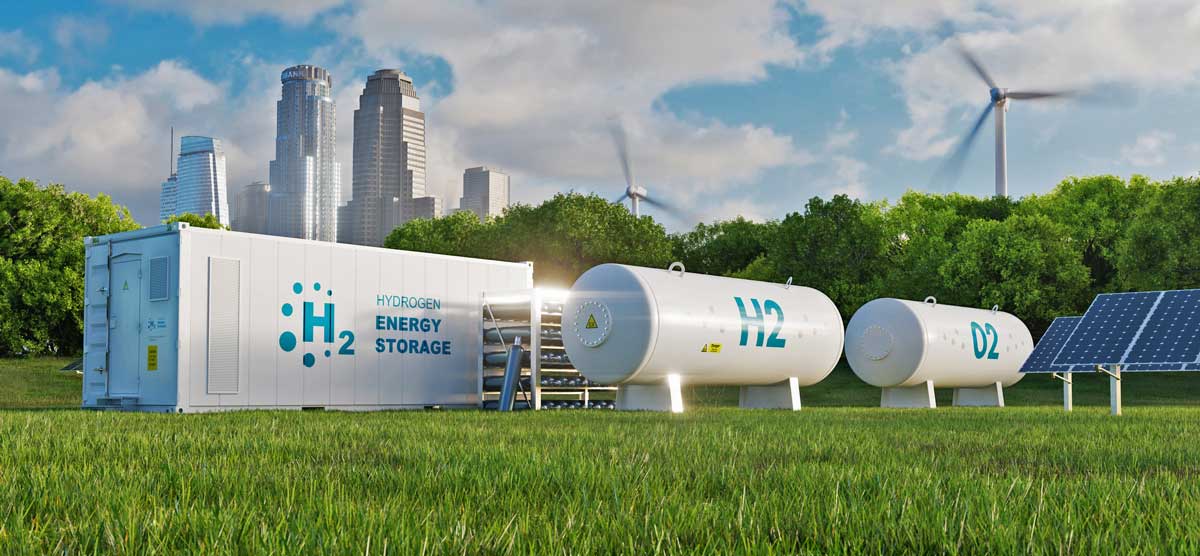
Kochi is set to pioneer hydrogen-based transport solutions in South India with the commissioning of its first green hydrogen plant at the city’s international airport. The facility, developed in collaboration with BPCL and Cochin International Airport Limited (CIAL), is designed to produce 80 kilograms of green hydrogen daily, supporting the gradual shift of buses, ferries, and other transport modes towards zero-emission alternatives.
Officials confirm plans are underway for a second station in Thiruvananthapuram under ANERT, expanding the state’s hydrogen infrastructure.The initiative represents a major step in Kerala’s broader Hydrogen Valley Programme, which aims to foster sustainable urban transport while promoting research, pilot projects, and adoption of hydrogen fuel technologies. Hydrogen-powered buses are expected to operate initially as part of a three-year proof-of-concept project, with designs capable of carrying over 30 passengers. Successful trials will see these buses deployed for airport operations and short-distance public transport services.
Kochi Water Metro and select metro feeder services are also slated for transition to hydrogen propulsion. Feasibility studies are exploring hydrogen-powered ferry routes between Aluva and Kochi Airport, navigating the Periyar River and associated canals. Hydrogen produced at the Nedumbassery station could directly refuel these ferries, demonstrating an integrated and practical green transport solution.Industry experts highlight that green hydrogen, once considered prohibitively expensive at around Rs 960 per kilogram, has now dropped to less than half that cost, making large-scale adoption increasingly viable. The plant is strategically positioned to serve as a hub for research and development of hydrogen fuel cell systems, while BPCL and partners like BluJ Aerospace are investigating applications for hydrogen-powered VTOL aircraft, signaling potential future innovations in sustainable urban air mobility.
The project underscores Kerala’s commitment to zero-carbon, eco-friendly urban infrastructure. By centralising production and distribution of green hydrogen, the state aims to reduce emissions, improve energy efficiency, and create a replicable model for other Indian cities pursuing sustainable transport solutions. Officials emphasise that these developments not only advance clean energy adoption but also generate opportunities for skill development, technology partnerships, and local innovation in hydrogen fuel systems.Kochi’s green hydrogen plant is more than a technological milestone; it represents a critical pivot toward sustainable urban mobility. As the facility becomes operational, it will play a central role in decarbonising public transport, reducing reliance on fossil fuels, and demonstrating a scalable model for other regions seeking to integrate hydrogen into their transport networks.