


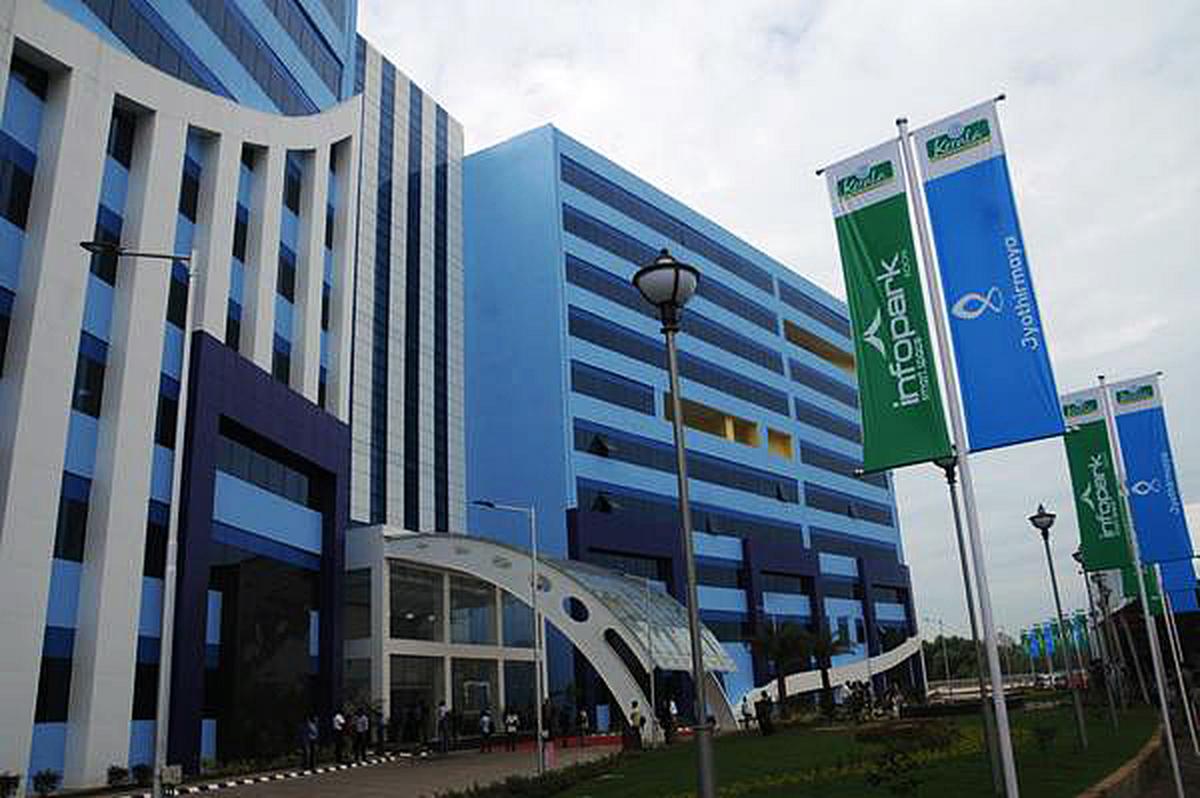
Infopark Kochi plans to position its third development phase as an AI-native urban district, embedding artificial intelligence into the core design of infrastructure rather than retrofitting digital systems later. The proposed 565-acre expansion in Kochi signals a shift in how technology parks may evolve into data-driven townships that integrate mobility, utilities and public services from inception.
Speaking at a national technology summit hosted by Ministry of Electronics and Information Technology, the park’s chief executive outlined a blueprint for what is being described as an “AI-native” model. Unlike conventional smart city projects, where sensors and analytics are layered onto existing infrastructure, the Kochi Infopark Phase Three master plan envisages artificial intelligence guiding planning decisions, operations and maintenance.Central to the proposal is a digital governance architecture referred to as a “City Brain”. This platform would aggregate real-time data from roads, buildings, pipelines and public spaces, enabling automated responses to traffic flow, energy consumption, water distribution and safety alerts. Urban technologists say such systems can improve efficiency, reduce resource waste and strengthen disaster response capabilities — particularly relevant for a coastal city prone to heavy rainfall and flooding.
The Kochi Infopark Phase Three development is expected to integrate commercial office clusters with residential and social infrastructure, forming a self-contained township. Planners suggest that AI-led monitoring could optimise street lighting, adjust drainage management during intense rainfall and detect infrastructure stress before failures occur. If implemented responsibly, these features may reduce carbon intensity and operational costs over the long term.However, experts caution that the AI-native approach carries governance and cybersecurity challenges. Reduced human oversight and algorithmic decision-making can create systemic vulnerabilities if safeguards are inadequate. Industry observers highlight the need for transparent data policies, independent audits and resilient back-up systems to prevent disruptions across interconnected networks.
There are also broader socio-economic considerations. Embedding advanced digital infrastructure at scale may attract global technology firms and high-skilled employment, reinforcing Kochi’s position in India’s knowledge economy. At the same time, urban planners emphasise that accessibility, affordability and inclusive public space design must remain central to avoid creating enclaves disconnected from surrounding communities.The Kochi Infopark Phase Three project arrives amid growing interest in cognitive infrastructure — systems capable of learning and adapting in real time. As Indian cities expand, the question is not only how technology can enhance performance, but how it can do so while safeguarding privacy, equity and environmental resilience.
If executed with strong governance and climate-sensitive planning, Kochi’s experiment with an AI-native township could serve as a template for integrating digital intelligence into the foundations of future urban growth rather than treating it as an afterthought.
Also Read:Bengaluru Apartments Fetch Premium For Natural Light
Kochi Infopark Phase Three AI Native City
