


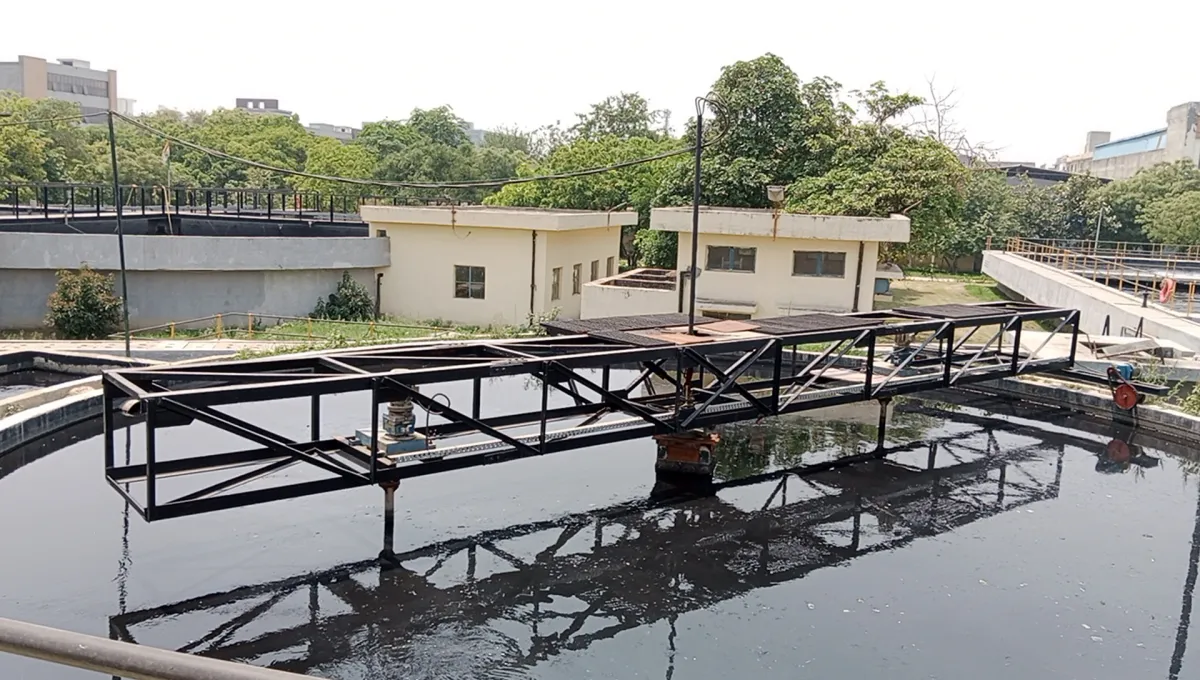
Owners of apartment complexes across Kochi are urging the state government to intervene in resolving a growing sewage treatment challenge, as many residential buildings fail to set up their own treatment plants due to space constraints. With only around 10% of Kochi’s existing city-owned sewage treatment capacity currently utilised, flat owners aim to expedite activation of public plants while seeking a workable interim waste disposal solution.
Consortium of Flats and Villas Owners Association, Kerala (COFVOAK), which represents members of 71 apartment complexes served notices by the Pollution Control Board (PCB), has unanimously decided to demand state-level action. All of these complexes were requested to install individual STPs within a specified deadline, but most remain non-compliant, largely due to heritage infrastructure built prior to 2005 when STPs were not mandatory. Compounding the problem, the Kerala State Electricity Board has issued warnings of potential power supply disconnection if the complexes fail to install compliant STPs within the next few weeks. In one inventive attempt to comply amid severe space limitations, a building in Panampilly Nagar is reportedly planning to convert its swimming pool into a functional sewage treatment unit.
COFVOAK representatives have announced an online meeting among office bearers this week to formulate a unified strategy. The key proposal involves petitioning the state government to expedite the Integrated Urban Regeneration and Water Transport System (IURWTS) project, under which public STPs are being built in zones like Elamkulam, Marine Drive, and Brahmapuram. These facilities are designed to absorb city-wide residential sewage in two to three years. “We risk wasting public funds if we go ahead with constructing private plants, given the scale of the IURWTS,” a COFVOAK representative said. Until the public STPs become operational, the association proposes using tanker trucks —whose operators could be identified from PCB records—to transport sewage from flats to existing facilities.
Political support is already building. A regional legislator has formally asked the industries department to address the crisis, pointing to the urgent requirement for pragmatic measures tailored to existing architectural constraints. Officials from the government are expected to review proposals this week. Environmental engineers highlight that decentralised individual STPs in densely built neighbourhoods could increase energy usage and drive up carbon emissions. Centralised sewerage systems integrated into the city’s IURWTS infrastructure could promote energy efficiency, equitable access, and sustainable sanitation aligned with climate-smart urban principles.
Residents argue that the situation is both an environmental and civic equity issue. Buildings developed before 2005 had no mandatory STP requirements, and penalising these structures without viable alternatives could disproportionately affect long-term residents. Meanwhile, newer complexes face no such pressure, creating inequity in compliance burdens. Environmental regulators are under pressure: while pollution norms have taken a stricter tone, enforcement that ignores practical constraints risks alienating citizens. Experts suggest a phased enforcement approach — combining temporary waste transport solutions with accelerated public STP activation and long-term planning for networked sewage grids.
As Kochi balances urban growth with ecological sustainability, the flat owners’ appeal underscores the importance of inclusive, systemic planning. Successful intervention could establish a precedent for equitable environmental regulation, where legacy buildings are supported while aligned with zero-carbon and water-resilient city frameworks.
Also Read : Himachal Monsoon Claims Lives Blocks Roads Cuts Power and Water
